
Global
Congratulations on taking the first step toward content that search engines and AI systems choose to quote. Google no longer reads content the way it did five years ago. It scores individual passages, classifies intent and extracts answers for AI Overviews and LLM citations. This guide explains the exact writing decisions that help Google understand, extract and cite your content, then turns every principle into a tick-as-you-go checklist you can run against any page. Backed by real content and SEO work across 300+ projects.
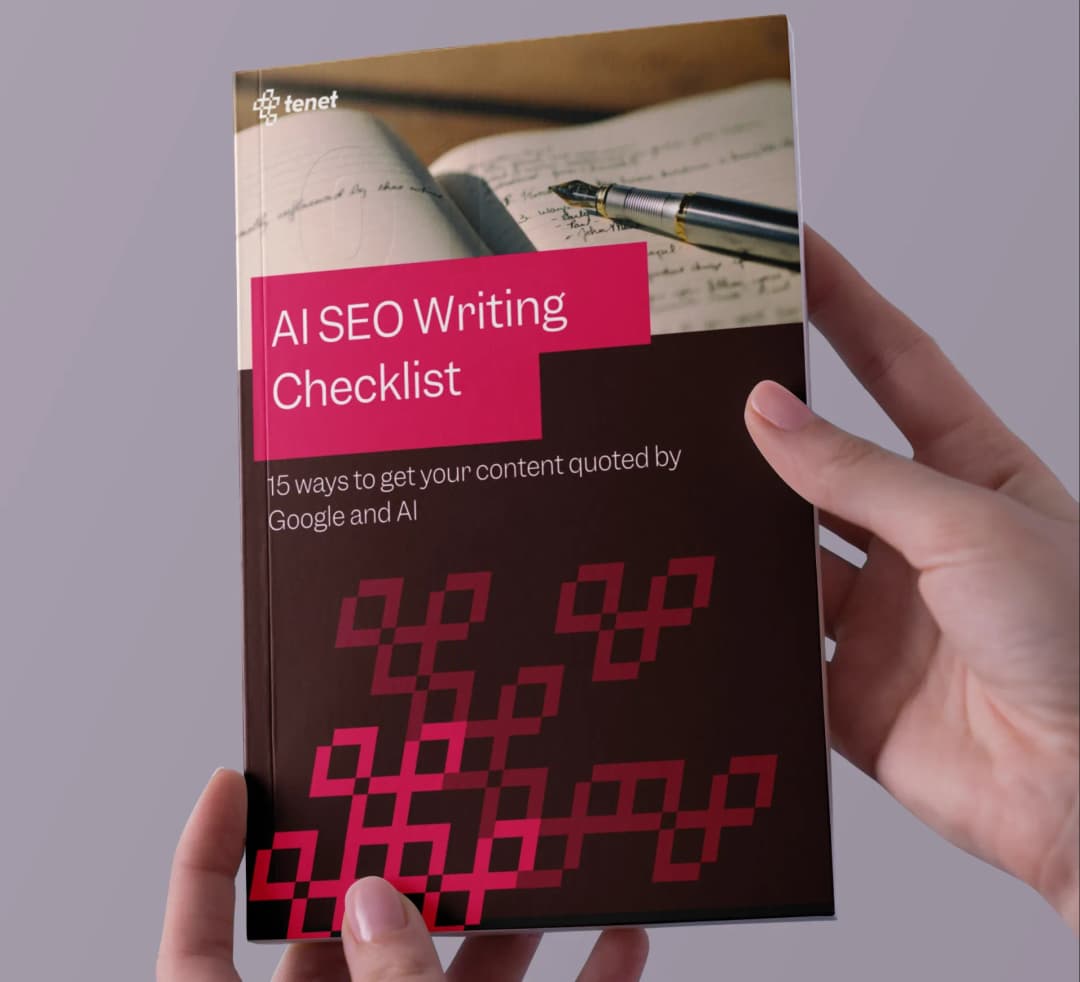
Explore high-impact principles pulled directly from the AI SEO Writing Checklist 2026. These practical moves help you write the way Google now reads, front-loading answers, sending the right NLP signals, and formatting content so search engines and AI systems can extract and cite it cleanly.
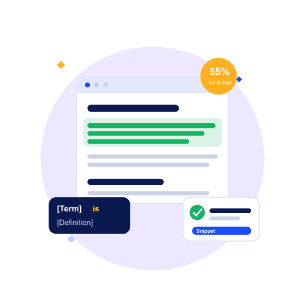
Write the Way Google Now Reads
Google scores individual passages, not whole pages, and the opening sentence carries the most weight. This section shows you how to front-load a direct answer in every section, define terms in the "[Term] is [Definition]" form, match search intent, and write question-based headings, so your content gets read and extracted, not buried.
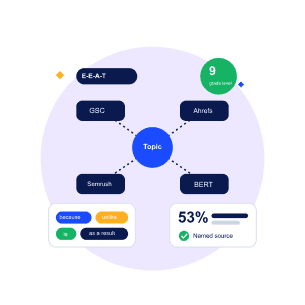
Send the Signals Machines Trust
Language models read structure and relationships, not just words. This part of the checklist covers the signals that make your writing machine-readable and credible: active voice under 20 words, connective signal words, named entities, and every claim backed by a named source, the moves that build both NLP clarity and E-E-A-T trust.
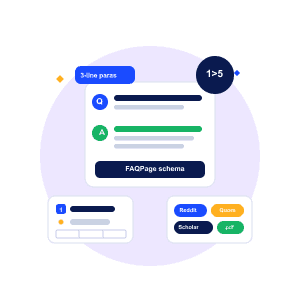
Format and Research to Get Cited
How content is structured and sourced decides whether it gets extracted and whether it counts as original. This section shows you how to use the right format for each query, write standalone FAQ answers with schema, keep paragraphs to one idea, and mine primary sources, so one unique stat beats five rephrased blog posts.


Google scores individual passages, not whole pages, and the opening sentence carries the most weight. This section shows you how to front-load a direct answer in every section, define terms in the "[Term] is [Definition]" form, match search intent, and write question-based headings, so your content gets read and extracted, not buried.
Language models read structure and relationships, not just words. This part of the checklist covers the signals that make your writing machine-readable and credible: active voice under 20 words, connective signal words, named entities, and every claim backed by a named source, the moves that build both NLP clarity and E-E-A-T trust.
How content is structured and sourced decides whether it gets extracted and whether it counts as original. This section shows you how to use the right format for each query, write standalone FAQ answers with schema, keep paragraphs to one idea, and mine primary sources, so one unique stat beats five rephrased blog posts.

We’d love to hear about your brand, your visions, current challenges, even if you’re not sure what your next step is.
Let’s talk


