Global
Industry
SaaS
Services Provided
Search Engine Optimization
Content Marketing
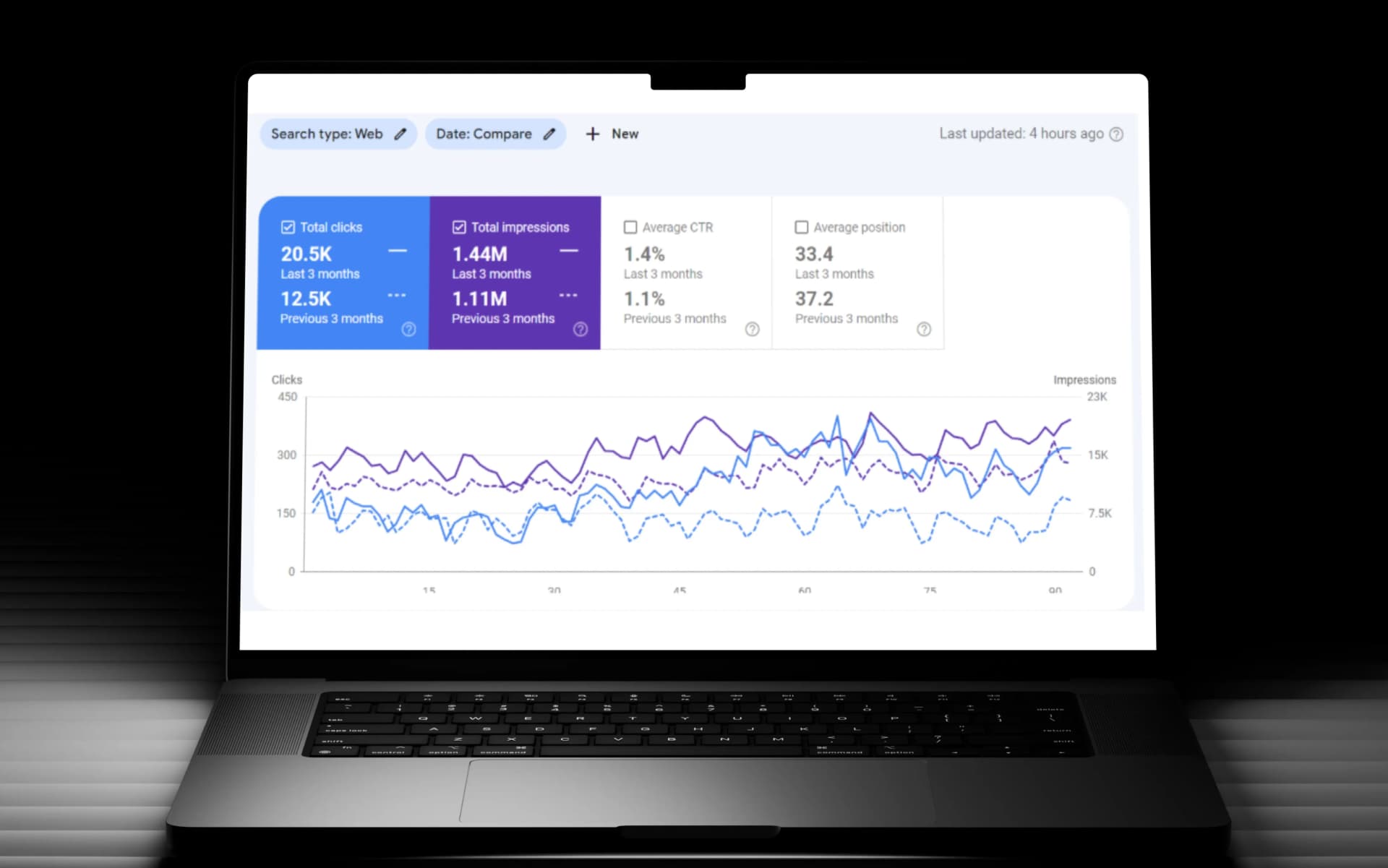
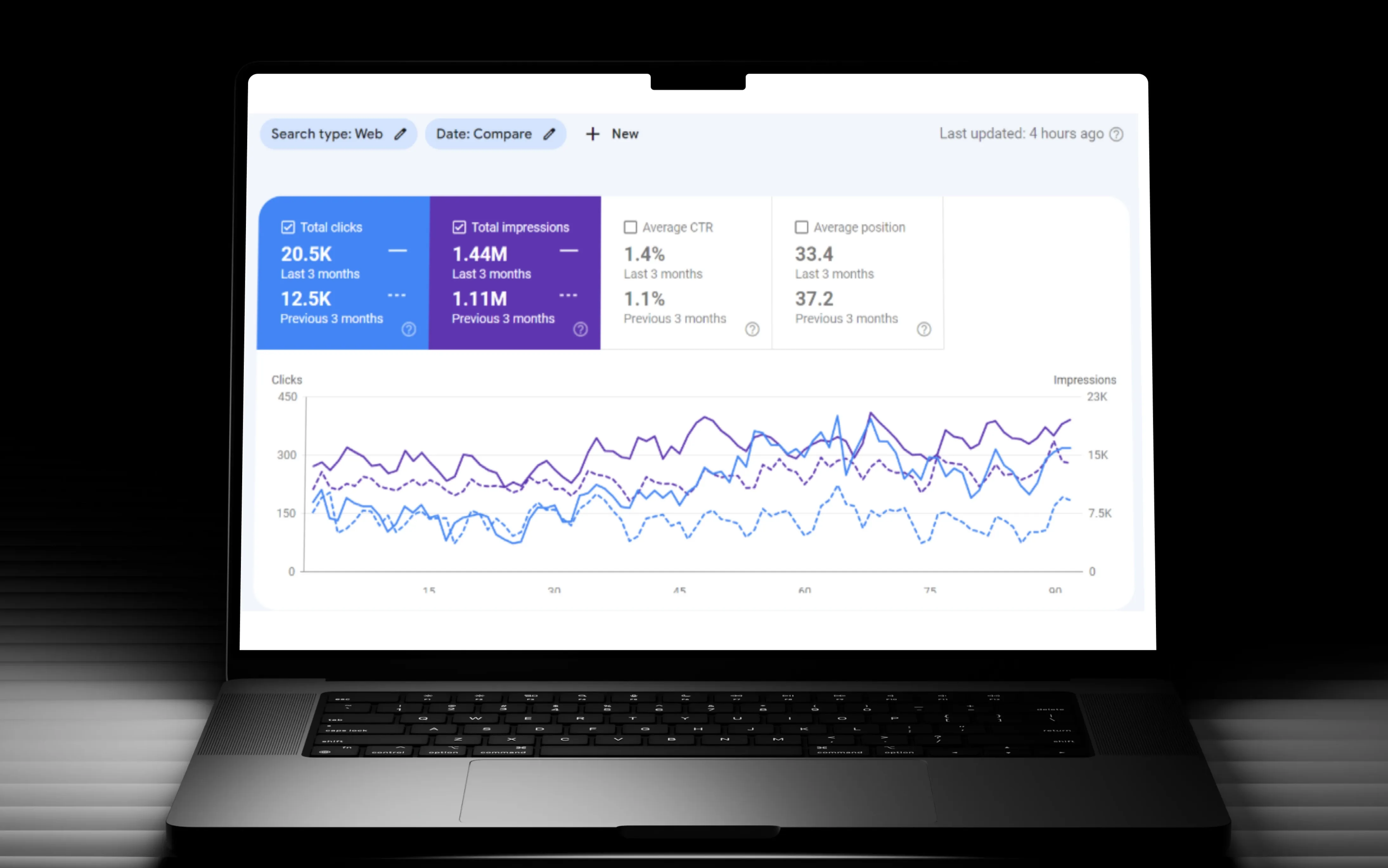
Our client, a US-based property management software platform, had accumulated 600+ blog articles over a decade of content marketing. Despite this substantial content library and strong brand recognition in their niche, organic traffic was steadily declining month over month. Most of their remaining traffic came from branded searches, meaning people who already knew about them. Non-branded discovery through search engines had eroded significantly, limiting their ability to reach new property managers actively researching solutions. The website had good domain authority (DR 40) but wasn't converting that strength into visibility for high-value commercial keywords.
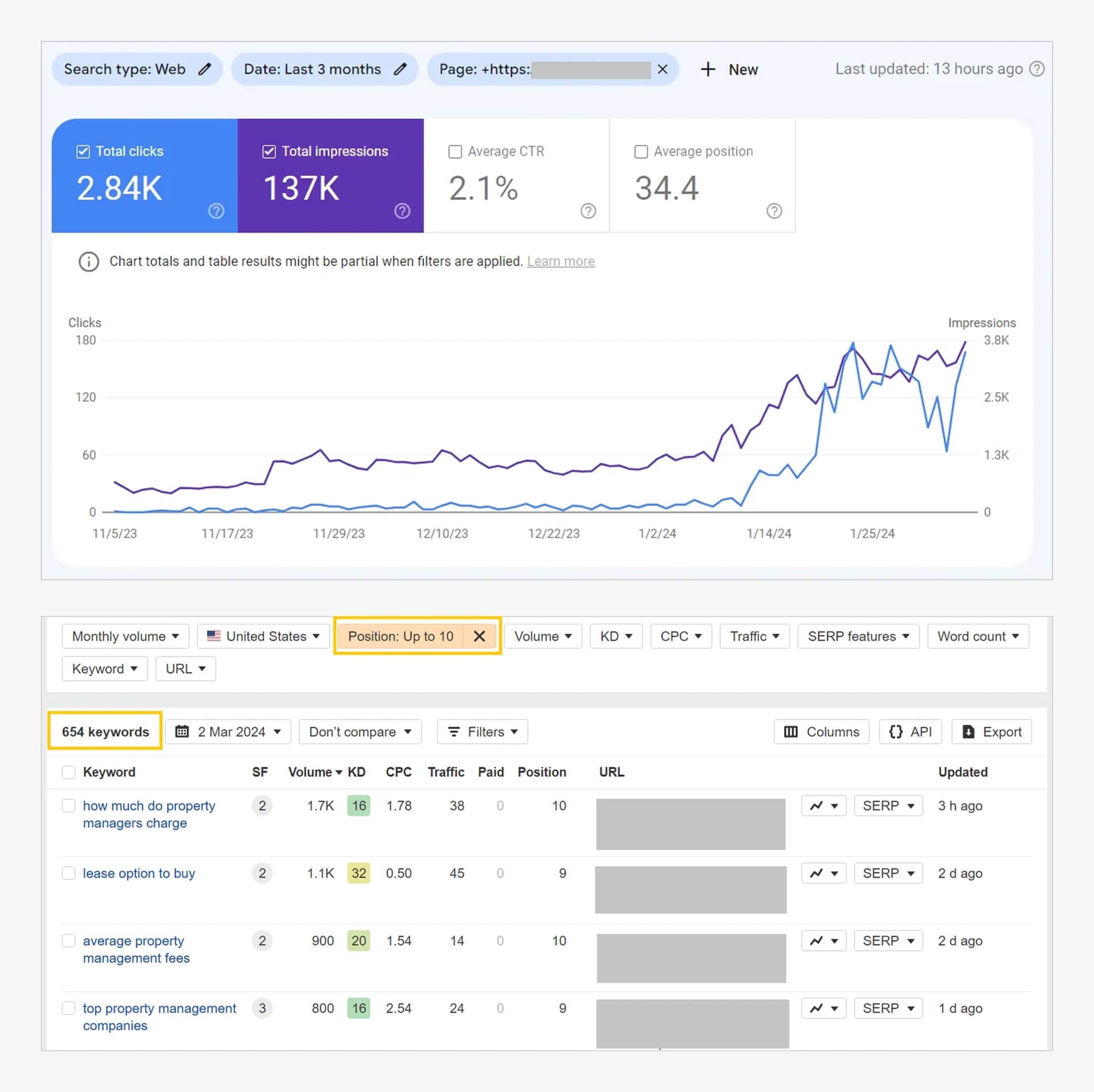
Rather than producing hundreds of new articles, we diagnosed that the real opportunity lay in their existing content assets. Over three months, we implemented a systematic content refresh strategy paired with technical SEO improvements, focusing exclusively on updating existing pages with business value. The approach reversed the traffic decline, generating 60% growth in organic visits, increasing traffic value by 148% to $7,883 monthly, and pushing 650+ keywords into first-page positions.
Note: The original name of the client has been withheld to comply with NDA obligations. A placeholder name has been used where required for documentation purposes only.
The client had invested consistently in content creation since their founding, building a comprehensive library covering property management best practices, landlord guides, tenant screening advice, and software comparisons. The content quality was generally strong, written by people who understood the industry. Their brand had equity, evidenced by healthy branded search volume from property managers who knew their name.
However, several concerning trends had emerged over the previous six months:
The diagnosis was clear: the problem wasn't content volume. It was content relevance, technical foundation, and search intent alignment. The existing library represented significant historical investment that was depreciating in value every month.
Our strategy prioritized efficiency over volume, focusing resources on pages that could generate the highest business impact:
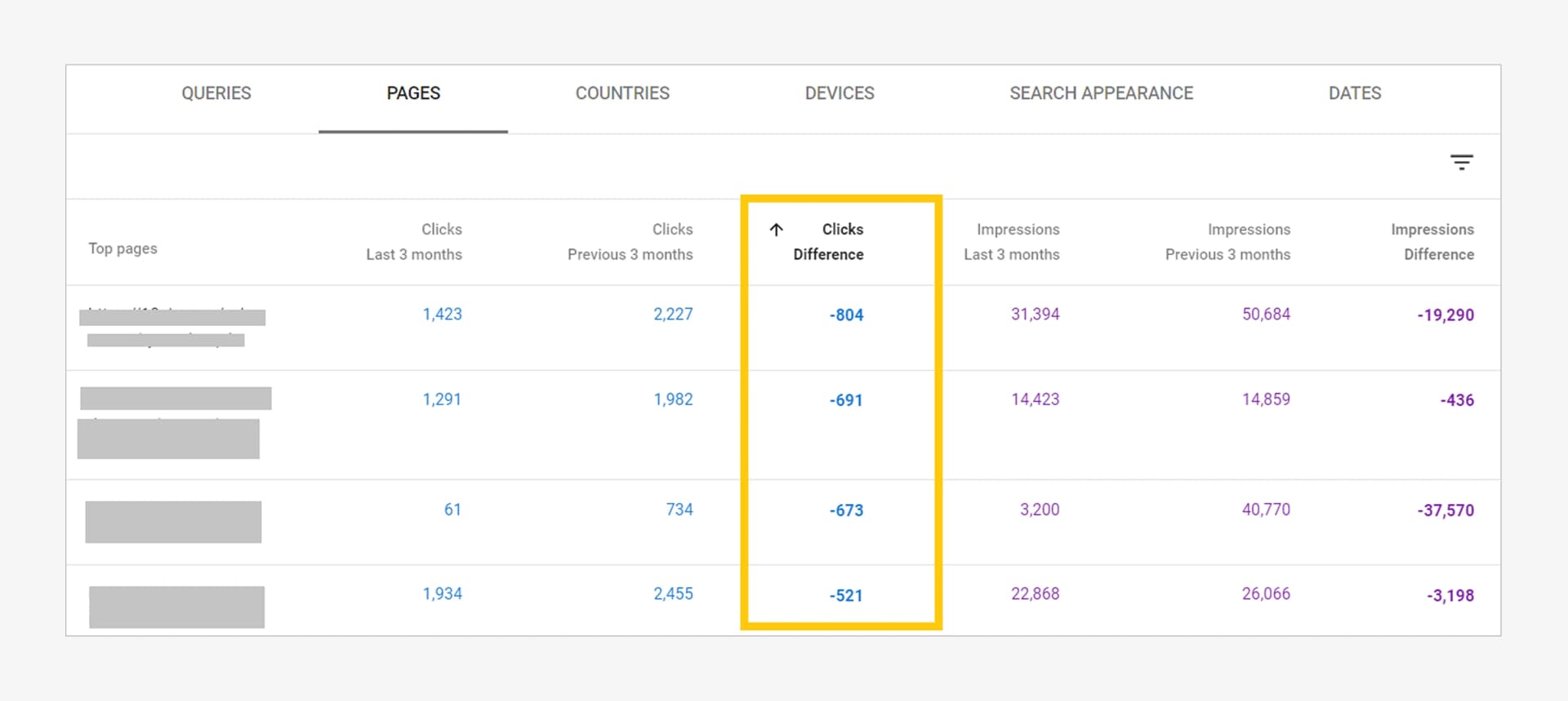
We built a three-layer filtering system to identify which pages deserved immediate attention. First, we analyzed traffic trends over the previous three months to find pages experiencing significant declines, often indicating content decay or search intent shifts. Second, we identified "low-hanging fruit" by pulling keywords ranking in positions 8-30, where modest improvements could yield first-page visibility. Third, we added a business value dimension, scoring each page based on how closely the topic aligned with product features and conversion potential. This meant prioritizing "best property management software" over generic landlord tips. The intersection of declining traffic, rankable position, and high business value gave us our optimization queue.
Before updating any article, we manually reviewed current search results to verify intent hadn't shifted. We discovered that several keywords our client targeted with blog posts now showed search results dominated by service pages and comparison tools rather than educational content. Updating blog posts for these keywords would be wasted effort since they couldn't match what Google was rewarding. This validation step saved significant resources by eliminating pages where our content format couldn't compete regardless of quality.
We created custom Standard Operating Procedures for the content refresh process and built extremely detailed content outlines for the first 20 articles in our priority queue. These weren't simple "add more words" instructions. Each brief ran 500+ words, essentially short essays outlining competitive gaps, semantic coverage needed, structural improvements, and specific information gain opportunities. The briefs specified which sections needed expansion, what new data or examples to include, and how to better satisfy the underlying search intent.
In parallel with content work, we executed systematic technical improvements that had accumulated as debt over the years. We implemented custom structured data for the website and blog posts, giving search engines better context about content type and purpose. Navigation and internal linking received significant attention, creating clearer pathways between related content and strengthening the flow of PageRank to priority pages. We disallowed hundreds of unwanted URLs from indexing, including pagination, filter pages, and thin tag archives that diluted crawl budget. Orphan pages were connected through strategic internal linking or removed if they served no purpose. We organized content into clear hubs around primary topics, creating topical authority clusters. Finally, we added EEAT signals including author credentials, last-updated timestamps, editorial processes, and expertise indicators.
Each refreshed article followed a strict quality checklist before republication. We verified meaningful information gain beyond what previously existed, added contextual internal links to related resources, incorporated semantically related phrases identified from Google Search Console data, updated publish dates to reflect current information, and immediately submitted updated URLs through Search Console to accelerate reindexing. This systematic approach ensured consistency across all updates.
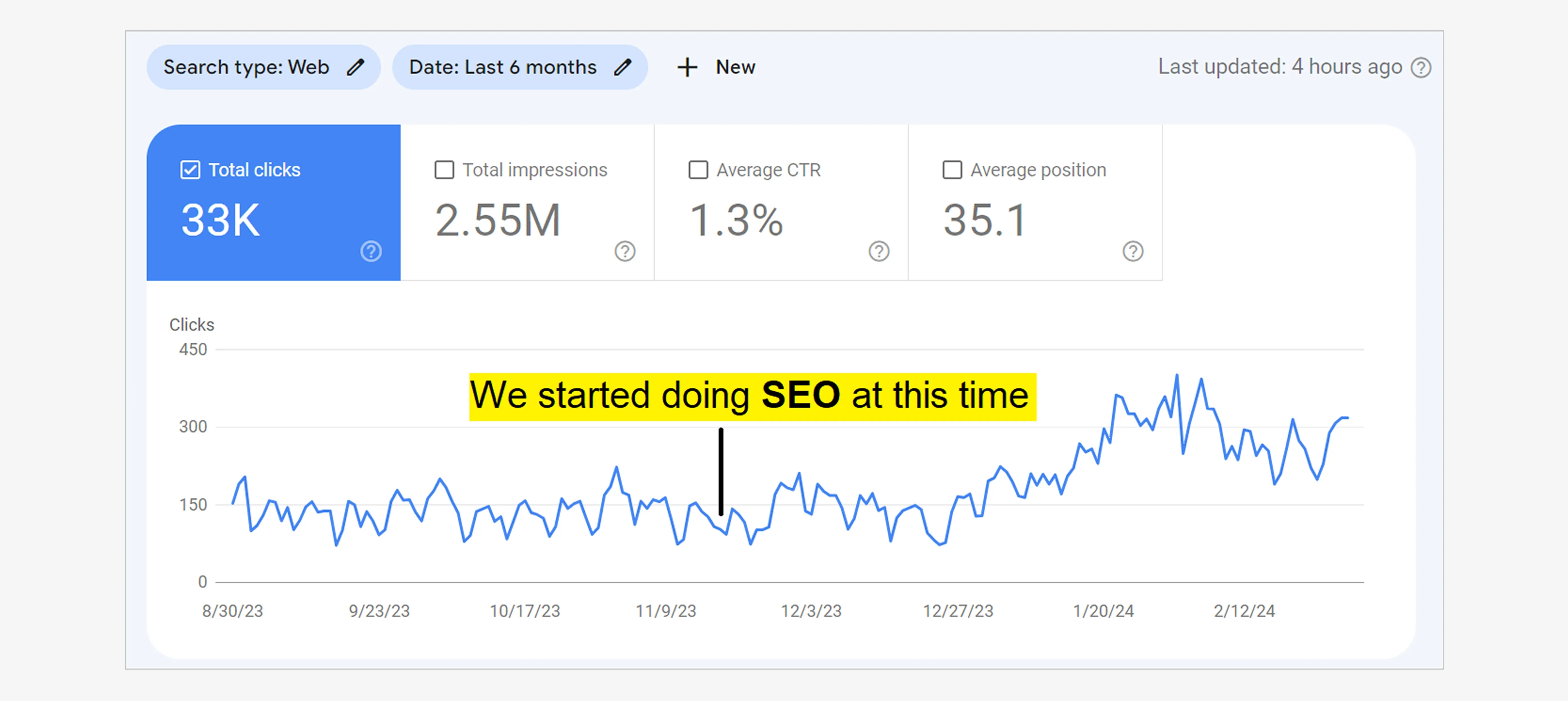
Within 1-2 days of republishing optimized articles, we observed measurable improvements in impressions and click-through rates. Pages that had been stagnant for months started gaining positions and visibility. This early validation confirmed our hypothesis that content decay, not fundamental strategic issues, was driving the decline. The first batch of 8 updated articles generated a 12% traffic increase to those specific pages within the first week.
We completed updates on the initial 20 priority articles identified through our filtering system. Technical improvements were fully implemented, particularly the structured data and internal linking restructuring. Overall site traffic began recovering, reaching back to baseline levels before the decline began. Traffic value started climbing as higher-intent keywords moved from page two to page one. Several comparison and "best software" type articles achieved top-five positions, driving qualified traffic from property managers actively evaluating solutions.
The compound effects of technical improvements and content refreshes became evident. Pages updated in month one continued gaining positions as Google fully reprocessed the changes. We expanded the refresh program to an additional 30 articles, prioritizing those closest to page-one rankings. Non-branded traffic recovered significantly as educational content regained visibility. Monthly traffic exceeded pre-decline levels for the first time in six months.
By the end of month three, the transformation was substantial. Traffic had grown 60% from the starting baseline of approximately 3,000 monthly visits. More importantly, traffic composition had shifted back toward non-branded discovery searches rather than branded queries. Traffic value, measuring the estimated cost to acquire equivalent visitors through paid search, reached $7,883 monthly, representing 148% growth. This metric better captured the business impact since it weighted high-intent commercial keywords more heavily than informational traffic.
Several updated articles showed dramatic improvements within days of republication, with impression increases of 200-400% and corresponding traffic lifts as rankings jumped from positions 12-15 to positions 4-7. These quick wins validated the approach and built internal stakeholder confidence.
Importantly, these results came entirely from optimizing existing content. We had not yet begun publishing new articles based on fresh keyword research. With the technical foundation now solid and content refresh processes established, the client's team projected doubling traffic again over the following 3-5 months as they expanded to new topic areas while maintaining the refresh cadence on existing content.
This engagement demonstrated that content marketing success isn't always about publishing more. Sometimes the highest ROI comes from maximizing the value of what already exists. The client's decade of content investment became a growth asset again once we aligned it with current search intent, strengthened technical foundations, and systematically addressed content decay. The rapid results also highlighted how quickly search visibility can recover when the underlying site authority is strong but has simply been underutilized.
Impact Delivered
450+
Solutions Delivered
for our clients & partners
20M+
People Impacted
through our solutions
15+
Countries Catered
for our global clientele
98%
Client Satisfaction
through verified reviews
Explore other works


We’d love to hear about your brand, your visions, current challenges, even if you’re not sure what your next step is.
Let’s talk