Global
Industry
SaaS
Search Engine Optimisation
Content Marketing
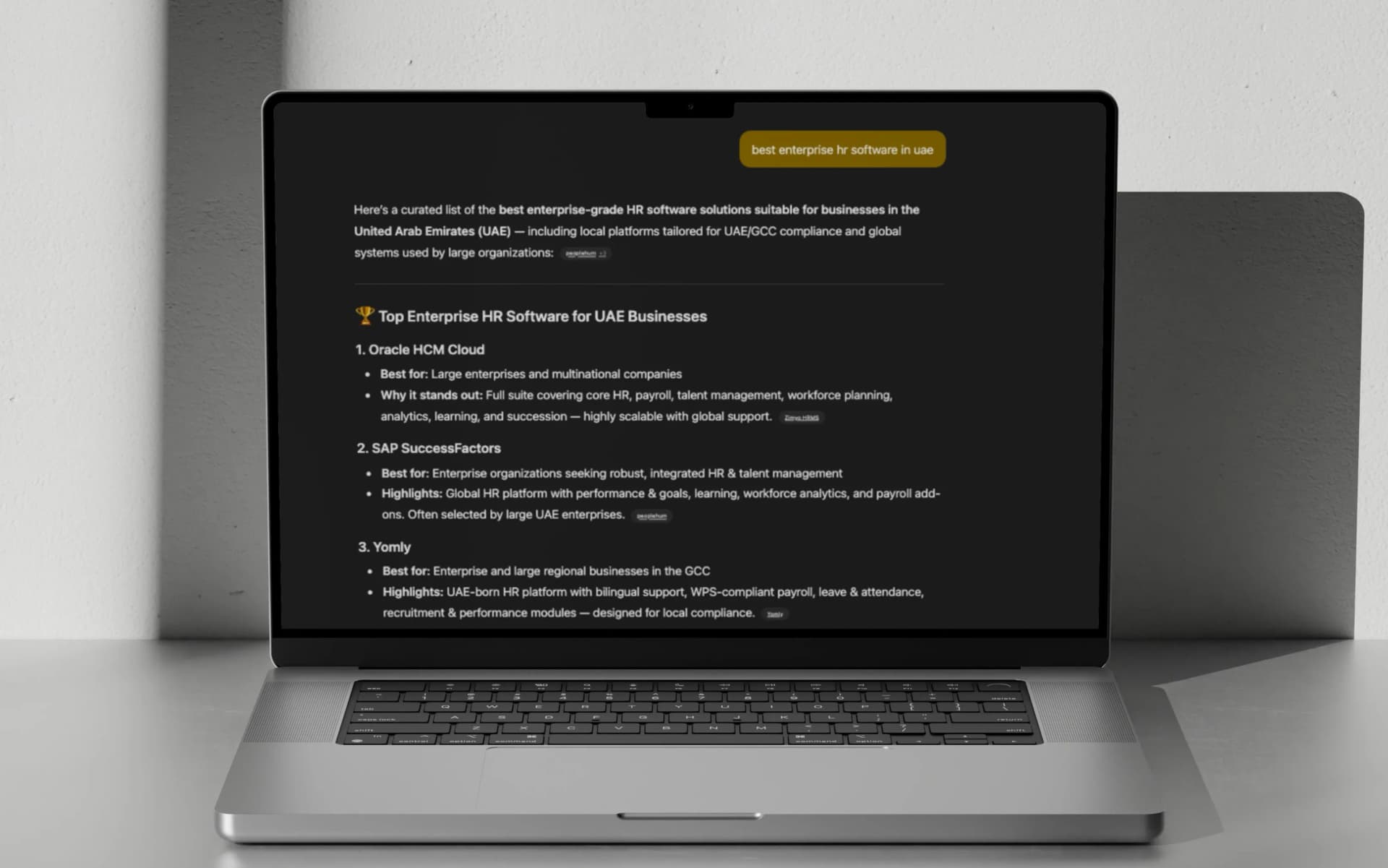
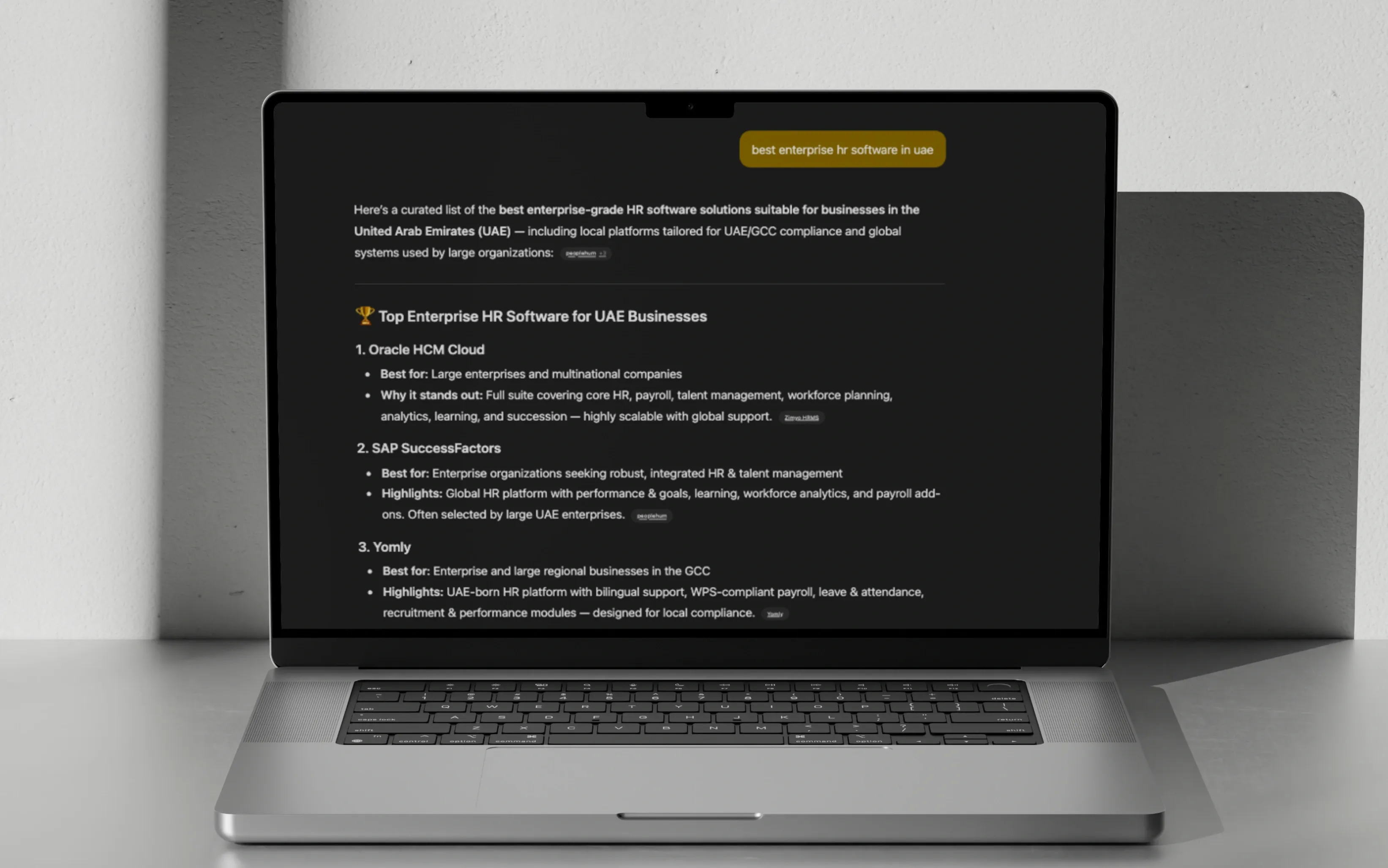
Here's a shift most companies haven't caught up with yet: enterprise buyers are using AI to find software.
Not just Google. ChatGPT. Perplexity. Claude. Google's AI Overviews. When a procurement manager in Dubai searches for "best enterprise payroll software in UAE," they're increasingly asking an AI tool, not scrolling through search results.
And if your brand doesn't show up in those AI responses? You're invisible at the exact moment buyers are making shortlists.
That was Yomly's situation. They're an enterprise HR and payroll platform serving the UAE, GCC, and Southeast Asia. Strong product. Growing SEO presence. But zero visibility in AI search platforms.
When someone asked ChatGPT for payroll software recommendations in Dubai, Yomly wasn't mentioned. When Google's AI Overview summarized options for enterprise HR solutions, Yomly was missing. Competitors were getting cited. Yomly wasn't.
This wasn't a small gap. This was a new channel with high-intent buyers, and Yomly had no presence at all. Tenet built a strategy specifically for AI search visibility. We audited how AI platforms understood the brand, restructured content to be machine-readable, created pages designed to be cited, and expanded Yomly's presence across the sources AI tools pull from.
The results came fast. Yomly now appears in Google AI Overviews and ChatGPT responses for commercial queries across multiple regions. In just 60 days, they received over 2,500 visitors from ChatGPT alone, landing directly on pages that convert. Add traffic from Perplexity and Claude, and Yomly has unlocked an entirely new acquisition channel.
Traditional SEO was working. Yomly's organic visibility had been improving. Rankings were climbing. Traffic was growing.
But a new behavior was emerging that traditional SEO couldn't capture. Enterprise buyers, especially in tech-forward markets like UAE and Southeast Asia, had started using AI tools as research assistants. Instead of opening Google and clicking through ten blue links, they asked ChatGPT: "What are the best enterprise payroll platforms in the GCC?" They used Perplexity to compare vendors. They relied on Google's AI Overview to summarize options.
This shift created a problem: Yomly had no presence in any of these AI responses.
We tested dozens of high-intent queries across ChatGPT, Perplexity, Claude, and Google AI Overview. Searches like "enterprise payroll software UAE," "best HR platforms GCC," "payroll solutions Dubai."
This wasn't about brand awareness. These were bottom-of-funnel queries from buyers actively comparing solutions. The kind of searches that lead directly to demo requests and sales conversations.
Every time an AI tool answered one of these queries without mentioning Yomly, the company lost a chance to be considered.
The challenge with AI search is that traditional SEO rules don't fully apply. AI tools don't just rank pages. They synthesize information from multiple sources. They quote, cite, and summarize. They pull from websites, directories, articles, and trusted third-party content.
If your content is written in heavy marketing language, AI systems struggle to parse it. If your brand doesn't appear across multiple trusted sources, AI tools don't recognize you as a relevant answer. If your pages aren't structured for direct answers, you won't get cited.
Yomly's existing content was built for human readers and traditional search. It wasn't optimized for how AI tools read, understand, and recommend.
This wasn't theoretical. AI-driven traffic converts. When someone asks ChatGPT for software recommendations, they're not casually browsing. They're actively looking for solutions. They want to compare options. They're ready to evaluate.
For an enterprise product like Yomly, where sales cycles are long and every qualified lead matters, visibility in AI search represents direct pipeline opportunity.
The question was: how do you get AI tools to recognize and recommend your brand?
We approached AI search optimization as a distinct discipline, related to SEO but requiring its own strategy. The goal wasn't just to rank, but to be cited, quoted, and recommended.
Before changing anything, we needed to understand exactly how AI platforms saw Yomly. We tested brand queries: "What is Yomly?" "Tell me about Yomly HR software." We tested category queries: "Best payroll software UAE," "Enterprise HR platforms GCC," "Payroll solutions Dubai."
We ran these across ChatGPT, Perplexity, Claude, and Google AI Overview. We documented what appeared, what was missing, and which competitors were getting mentioned.
This audit revealed the gaps. Yomly wasn't being recognized as a relevant solution for the queries that mattered most. Competitors with clearer, more structured content were getting cited instead.
AI tools process content differently than humans. They need clarity, structure, and direct statements. We rewrote core pages using simple, direct language. Instead of marketing-heavy copy full of buzzwords, we created content that clearly explains what Yomly does, who it serves, and what problems it solves.
Short sentences. Clear definitions. Straightforward descriptions. This wasn't about dumbing things down. It was about making content easy for AI systems to parse, understand, and reuse in their responses.
AI tools love content they can quote directly. Lists, comparisons, and structured answers perform especially well.
We built pages targeting queries like "best enterprise payroll software in UAE" and "top HR platforms in GCC." These pages followed a clean structure: clear headings, direct answers, organized lists, comparison points.
The format made it easy for AI tools to pull information and cite Yomly as a source. Instead of hoping to be mentioned, we created content specifically designed to be picked.
AI platforms don't just pull from your website. They synthesize information from across the web. If your brand only exists on your own domain, AI tools have limited signals to work with. But if your brand appears across trusted blogs, directories, industry publications, and third-party content, AI systems recognize you as more established and relevant.
We worked on building Yomly's presence across these external sources. This improved overall brand visibility and gave AI tools more data points to associate Yomly with enterprise HR and payroll topics.
AI systems need to understand what your brand is about. They build associations between brands and topics based on content patterns.
We focused on consistently connecting Yomly with enterprise HR, payroll, and workforce management topics. Every piece of content reinforced this association. Over time, AI tools began recognizing Yomly as a relevant answer whenever users searched for solutions in this space.
Visibility means nothing if it doesn't lead somewhere valuable. We made sure that when AI tools cited Yomly, the links pointed to product pages and bottom-of-funnel content. Not blog posts. Not general information pages. Pages designed to convert visitors into leads.
This meant that AI-driven traffic arrived ready to evaluate and take action.
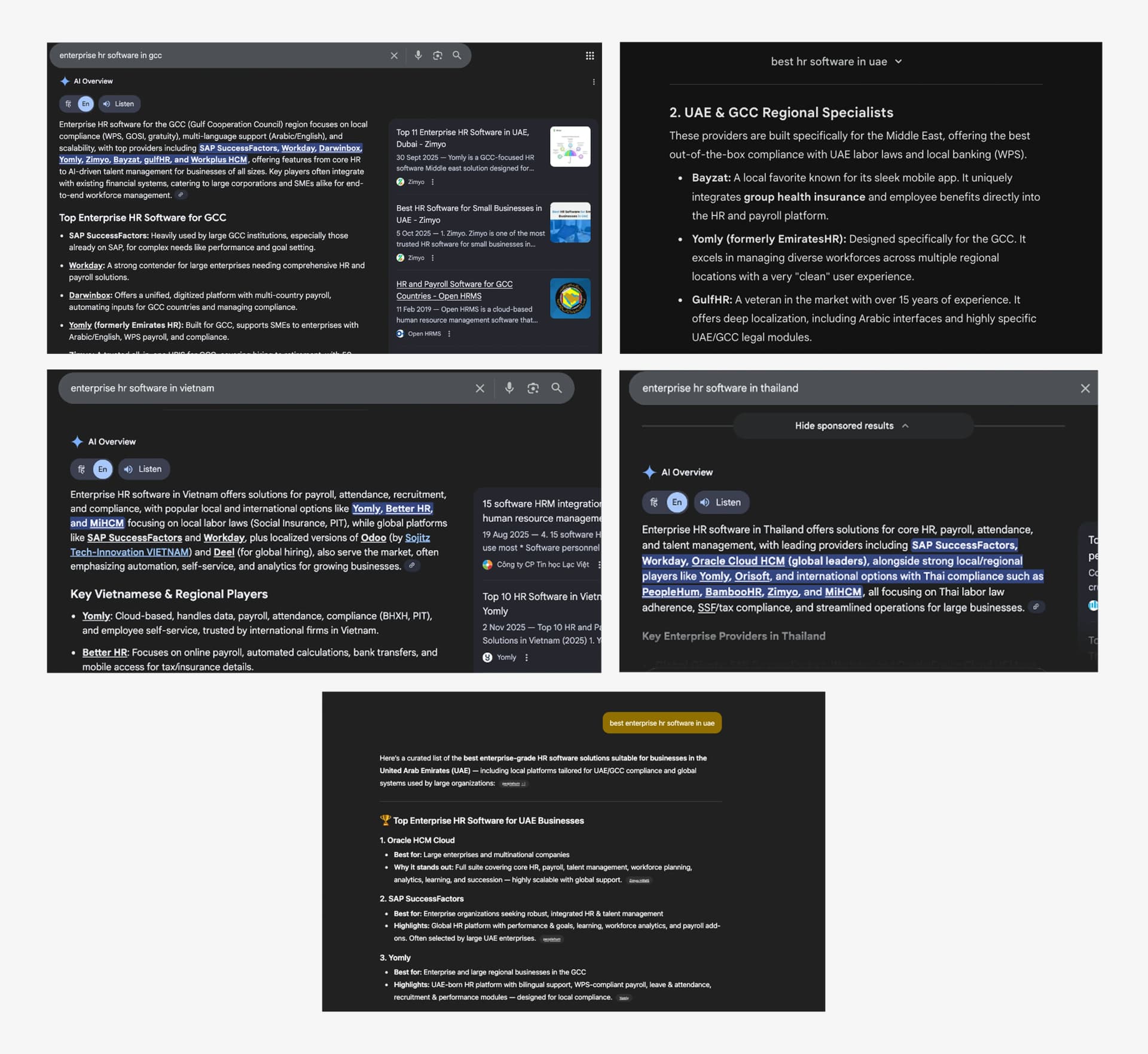
Yomly now shows up in Google's AI Overview for high-intent commercial queries. When someone searches "list the top 10 enterprise payroll software," Yomly appears in AI-generated responses across UAE, Dubai, Abu Dhabi, Qatar, Bahrain, Malaysia, Singapore, Vietnam, Thailand, and the Philippines. This is prime visibility. These are the exact queries enterprise buyers use when researching solutions.
Yomly also appears in ChatGPT responses for commercial queries.
Searches like "best enterprise software in UAE," "payroll platforms GCC," "HR software Thailand" now include Yomly in the recommendations. The brand went from completely absent to consistently mentioned.
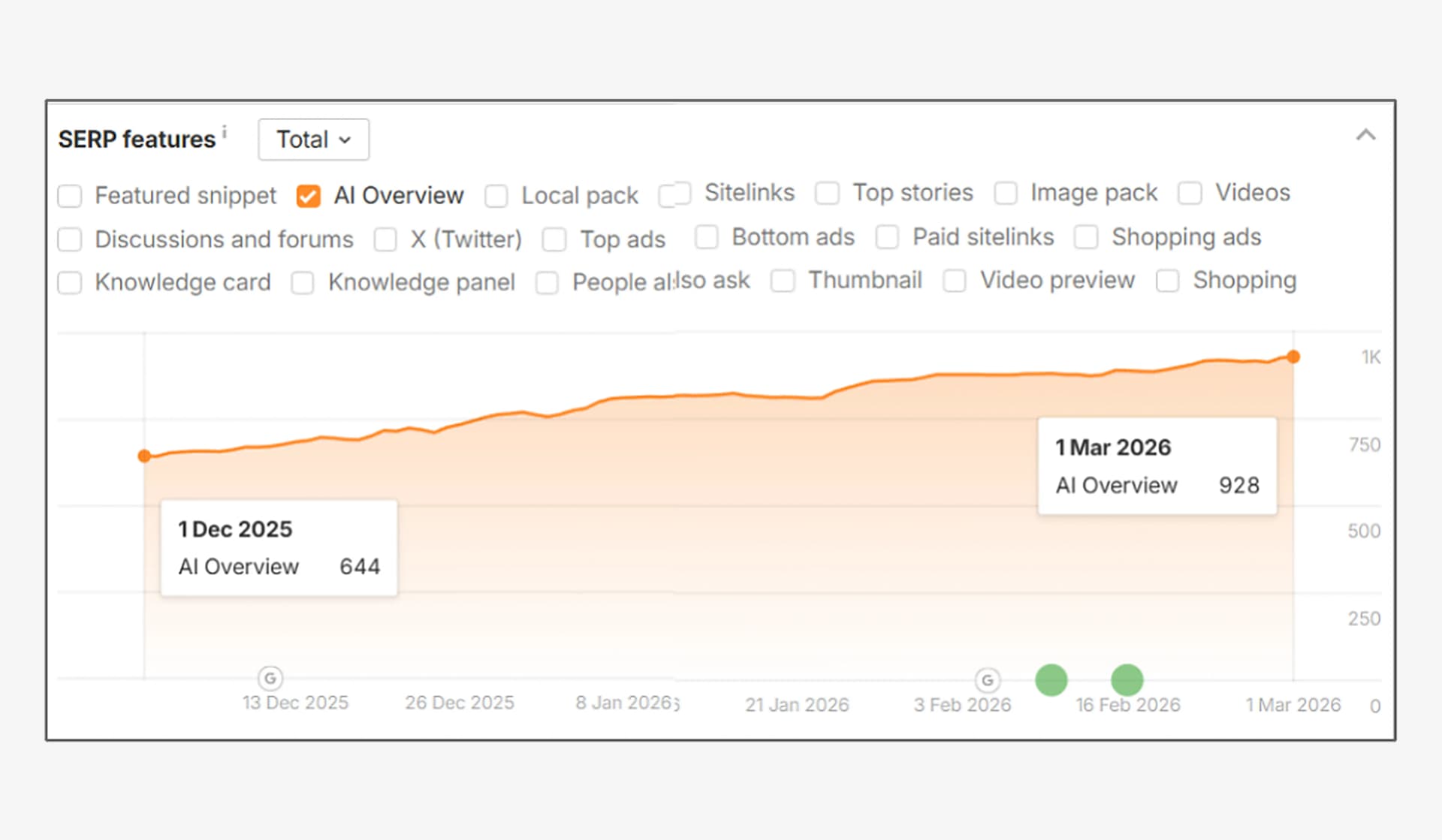
The visibility is measurable:
These aren't vanity metrics. Each citation represents a moment where Yomly was recommended to a buyer actively searching for solutions.
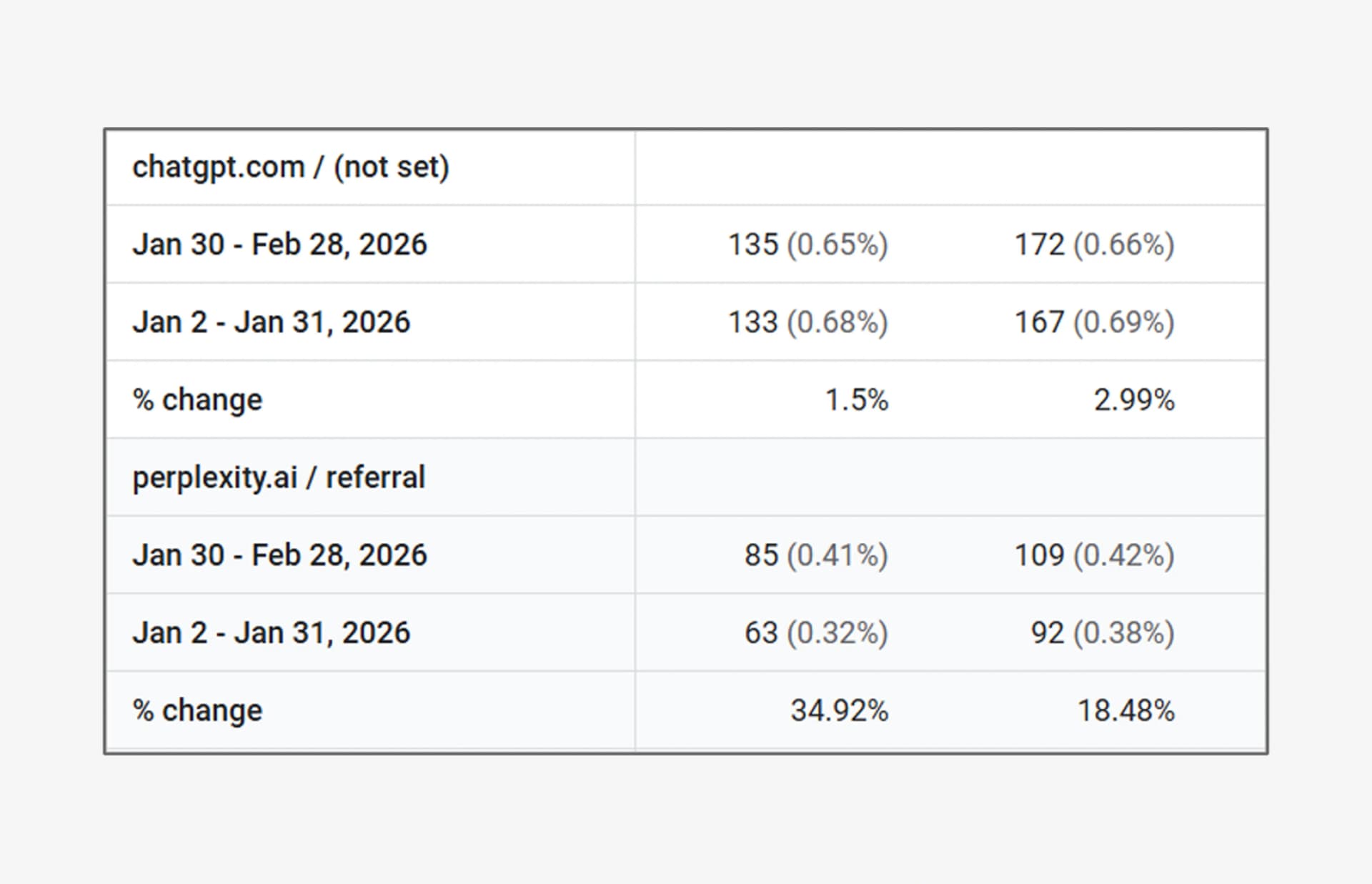
The most important number: 2,500+ visitors from ChatGPT to commercial pages in the last 60 days.
This is traffic that didn't exist before. These are users who asked an AI tool for recommendations, saw Yomly mentioned, clicked through, and landed on pages designed to convert.
Additional traffic continues to flow from Perplexity and Claude, expanding the channel further.
For an enterprise product, traffic quality matters more than volume. These visitors aren't casual browsers. They're actively researching payroll and HR solutions. They're comparing vendors. They're building shortlists.
When they land on Yomly's commercial pages, they're already primed to evaluate. This makes AI-driven traffic some of the most qualified Yomly receives.
Most companies haven't figured out AI search optimization yet. They're still focused exclusively on traditional SEO while this new channel grows.
Yomly now has first-mover advantage in their category. The citations, the topic associations, the content structure, all of it compounds over time. As AI search becomes more dominant, Yomly's early investment will continue paying dividends.
AI search isn't the future. It's happening now. Yomly recognized the shift and moved early. The result is a new acquisition channel delivering qualified enterprise buyers directly to their door.
Impact Delivered
450+
Solutions Delivered
for our clients & partners
20M+
People Impacted
through our solutions
15+
Countries Catered
for our global clientele
98%
Client Satisfaction
through verified reviews
Explore other works


We’d love to hear about your brand, your visions, current challenges, even if you’re not sure what your next step is.
Let’s talk