
Figma Gives AI Agents a Rulebook With Specs and Code Layers
 By
By Share

Share
Get a quick blog summary with



Figma used its first ever Config event in India to draw a line around AI agents. Instead of letting agents loose on the canvas, the company announced Figma Specs, a Markdown based editor that defines a brand's design language, and gave both its own canvas agent and third party agents a shared rulebook to follow.
The announcements, made on October 15 in Bengaluru, also include code layers moving to public beta, deeper integration with the Payload headless CMS, and support for more than 20 new tools through Figma's Model Context Protocol.
You can watch the full announcement in the Config India 2026 product launch keynote.
A written rulebook for people and agents
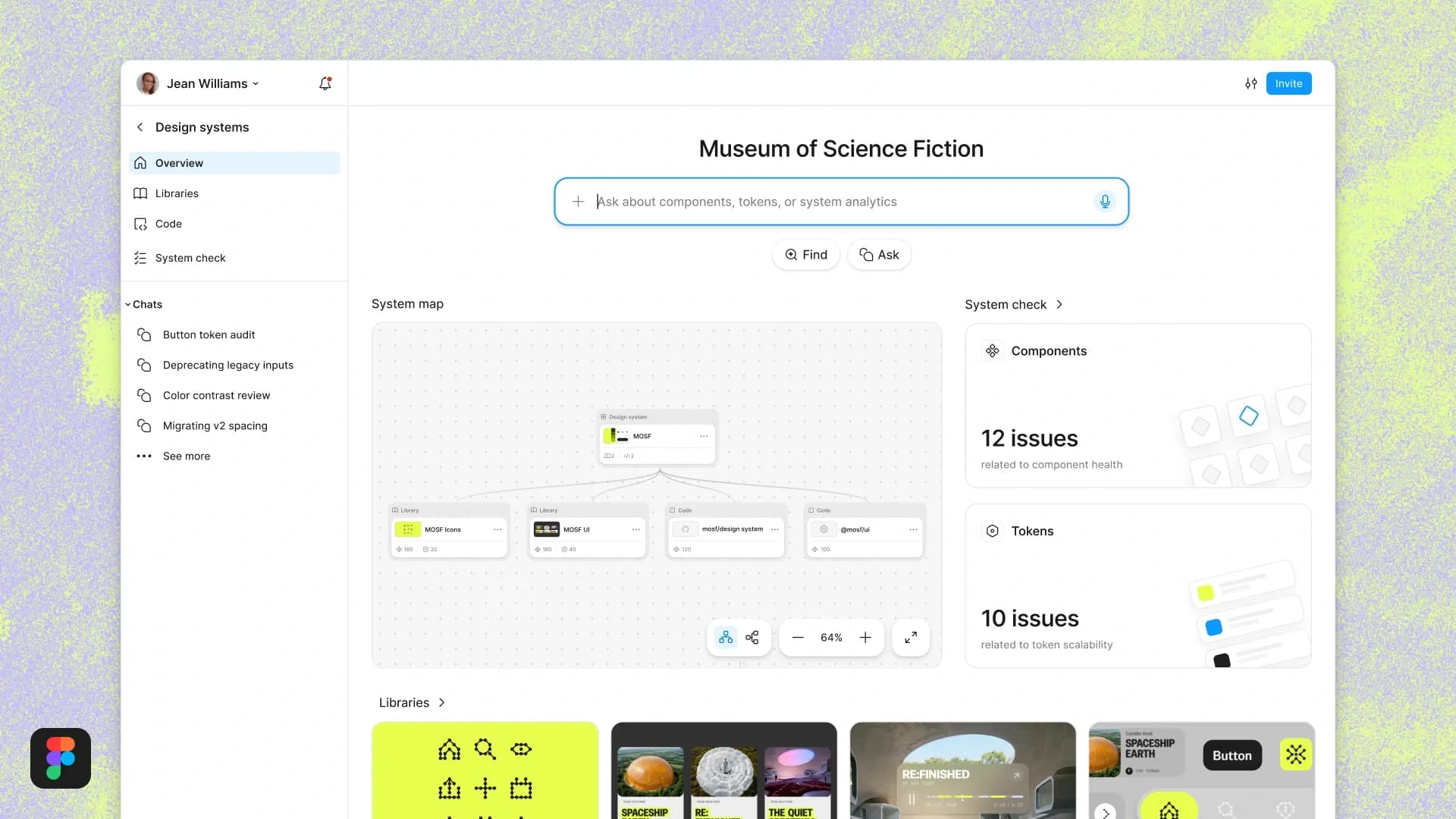
The centerpiece is Figma Specs. It is a Markdown editor where teams write down their design language in plain text. A spec can live as a standalone file in Figma or sit right on the canvas alongside the work it describes.
Specs can reference elements on the canvas and embed FigJam diagrams, code layers, and finished designs, so the rules stay connected to the actual work. Teams can also pull in design libraries, code libraries, and written guidelines to form one centralized design system context. Figma's canvas agent and third party agents consult that context before acting, which means an agent asked to build a checkout flow will use the brand's real button styles and spacing instead of inventing its own.
Code layers open up in public beta
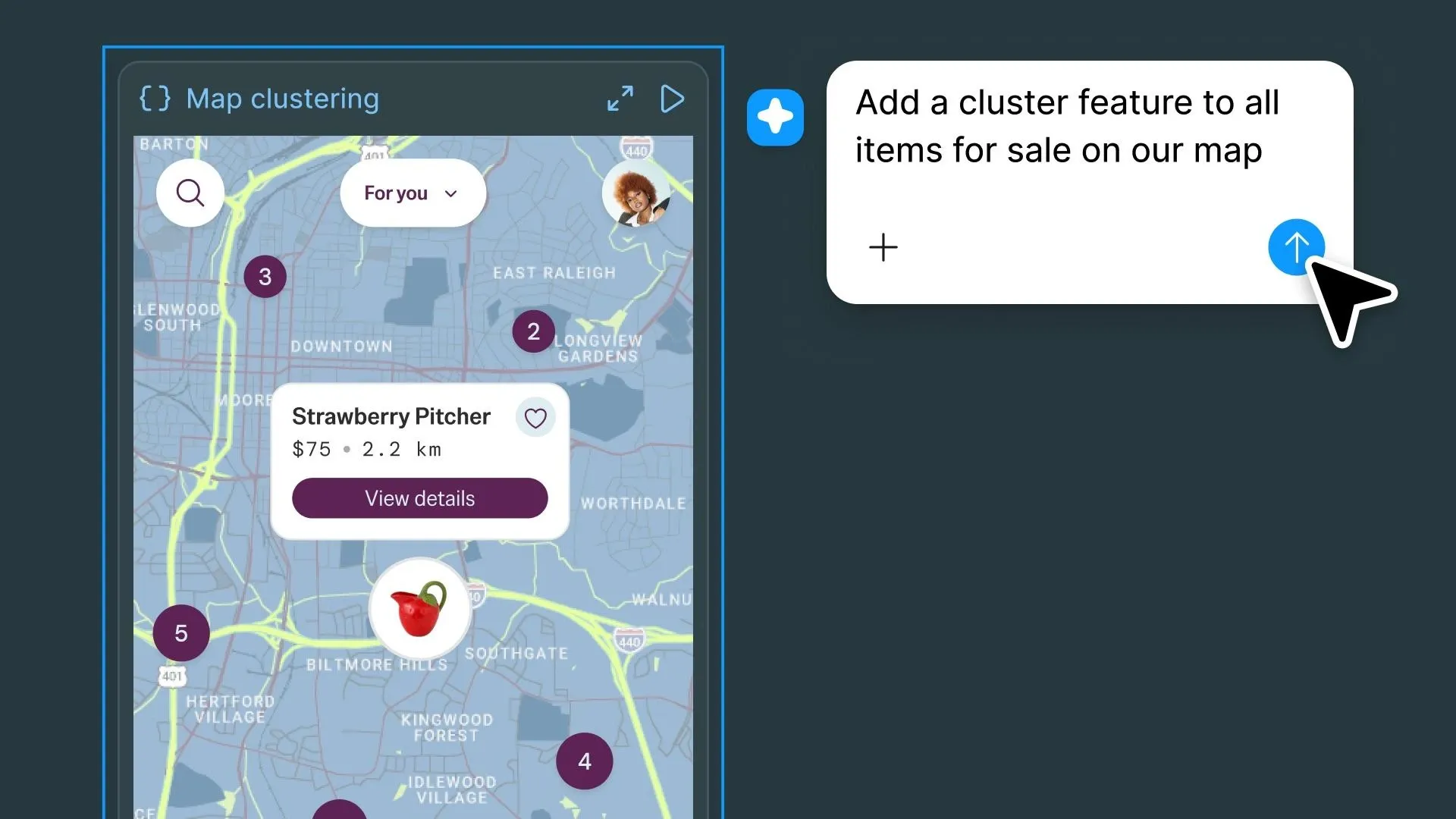
Figma's code layers feature, which lets designers add real code to canvas designs for more interactive prototypes, moves from private beta to public beta. The feature has been in private testing since June.
With code layers, a designer can ask the agent to turn a design into code or change part of the code to iterate on a prototype, all without leaving the canvas. This tightens the loop between design and development and cuts down the handoff errors that usually creep in when designs get translated into code by hand.
The canvas agent gets guardrails
In the past week, Figma also rolled its canvas agent out to a wider set of users and added tools to steer it toward more predictable outcomes.
The non deterministic nature of AI means an agent can produce something different every time it runs, so Figma is giving teams ways to constrain it.
Library owners can upload guidelines as Markdown files that tell the agent how to use a design system. For example, a guideline might say that red is reserved for destructive actions like Delete and should never be used for decoration. As Figma explains in its own rundown of how product designers use the agent, the agent can also pull context from across the platform, including FigJam stickies, Figma Slides copy, and Figma Design frames, before it generates anything.
Payload joins Figma Make
Figma acquired the open source headless CMS Payload last year. At Config India, the company announced that Payload is being integrated with Figma Make, its tool for building websites. The combination lets teams generate dynamic websites and manage their content directly from Figma. Figma says Payload's downloads have increased sixfold in the last 12 months.
Support for 20 new tools through MCP
Figma also expanded its Model Context Protocol support to more than 20 new tools, including Open Code, Dia, Grok Bot, and the Indian AI startup Sarvam. MCP is the open standard that lets AI models connect to outside data and tools, so this widens the ecosystem of agents and assistants that can work inside Figma with the same shared context.
Why this matters
Figma's chief design officer Loredana Crisan framed the announcement with a striking statistic. Teams are producing 17 times more lines of code than before but shipping only 1.3 times as many releases. A lot of that code, she said, is not built to ship. It is built to discover what the product should be.
That reframes the problem. The bottleneck is no longer producing output. AI can already generate endless variations. The bottleneck is constraining that output so it matches the brand, the system, and the team's standards. Specs is Figma's answer to that problem.
What this means for design teams and brands
For design teams like ours, the practical takeaway is straightforward. AI agents are about to become much more useful inside Figma, but only for teams that have written down their rules.
Agencies and product teams that invest in clean design systems, clear guidelines, and well organized libraries will get agents that produce on brand work. Teams without that foundation will get unpredictable output, no matter how good the underlying model is.
There is also a clear India angle. Figma opened its first office in India late last year, and India is now the company's biggest user market outside the United States. The company says 40 percent of India's top 100 companies listed on the Bombay Stock Exchange use its platform, so these features will land in some of the country's largest product teams first.
Expertise Delivered Straight to Your Inbox
Expertise Delivered Straight to Your Inbox





Got an idea on your mind?
We’d love to hear about your brand, your visions, current challenges, even if you’re not sure what your next step is.
Let’s talk


