
The Link Building Flywheel: A Smart Way to Build Backlinks
 By
By Share

Share
Get a quick blog summary with



Over the past 7 to 8 years, our team has built and scaled links for websites featured on platforms like Forbes, HubSpot, and several leading SaaS and B2B brands across global markets.
During this time, one thing became very clear. Sustainable rankings do not come from chasing links. They come from earning them consistently.
While many teams still rely on manual outreach and short term link campaigns, our approach to link building is very different. We see links as earned signals of authority, not placements to be negotiated. Over time, this thinking led us to focus on one core system that changed everything for us: building a link building flywheel. A system that keeps attracting high quality links month after month without increasing outreach effort.
In this guide, we are sharing how our SEO team at Tenet designs and scales link building flywheels that generate hundreds of relevant, editorial links every month.
The Real Problem With “Link Building” Today
Link building is still treated as a campaign, not a system. We see agencies chasing volume, looking for cheap links, and promising 50 to 100 links a week. On paper, the numbers look impressive. In reality, rankings do not move, authority does not build, and the impact fades the moment the campaign stops.
One of the biggest issues is how link building is executed today. Most efforts are heavily dependent on short term tactics that do not scale or compound over time.
Common patterns we see across the industry:
- Aggressive cold outreach with low response rates
- Paid guest posts and link marketplaces
- Recycled outreach templates used across niches
- Focus on link count instead of link relevance
- One time campaigns with no long term asset creation
The Hidden Cost
Search engines reward signals of authority built over time. They look for consistent citations, natural references, and growing trust across the web. The problem with campaign based link building is what happens after the push ends.
When link building stops, link velocity drops to zero. No new links come in month after month. The site stops earning fresh authority signals. Competitors who continue earning natural mentions slowly overtake rankings, even with fewer total links.
The real cost is not wasted budget. It is lost momentum. Without a system that keeps earning links consistently, every new campaign starts from scratch instead of building on what already exists.
What a Link-Building Flywheel Actually Is
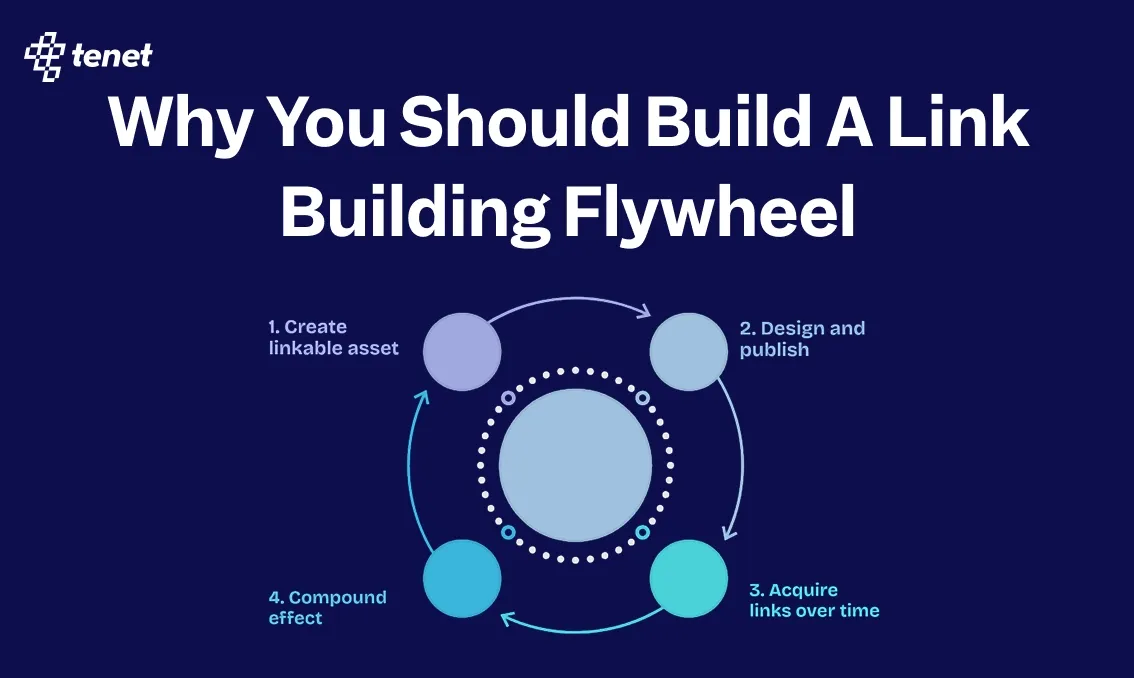
A link-building flywheel is a system where links are earned continuously, not built in bursts. Instead of running short campaigns, you create assets that keep attracting links month over month. The more those assets get referenced, the more visibility they gain, and that visibility brings in even more natural links over time.
When you build a flywheel, your effort is front loaded. You invest time in creating something genuinely useful, reference worthy, and easy to cite. Once it is live, it does not stop working. Each new link increases trust, improves rankings, and exposes the asset to new audiences who may link to it again without any outreach.
The difference becomes clear when you compare the two approaches.
- Campaign thinking leads to linear effort and linear results. You build links, rankings move slightly, and everything slows down when the campaign ends.
- Flywheel thinking leads to upfront effort and exponential returns. One strong asset can generate links for months or even years, with each link increasing the chances of the next one.
One important thing to understand is that flywheels do not replace outreach. Outreach still matters, especially in the early stages. What flywheels do is reduce your dependence on constant outreach. Over time, fewer emails are needed because links start coming in naturally as your assets become trusted reference points.
The Three Flywheel Assets That Actually Work
Over the years, our SEO experts have tested dozens of link building ideas across different industries and growth stages. Most of them failed to create lasting impact. Only a few asset types consistently drove links month after month without increasing outreach effort.
Based on real execution and long term results, these three link building flywheel assets have proven to work the best when it comes to building sustainable authority and compounding link growth.
1. Linkable Assets
Most teams still focus on creating more content. Blogs, guides, and opinion pieces keep getting published every day. The problem is that content is no longer a competitive advantage. With tools like ChatGPT and Gemini, publishing decent content is easier than ever. Millions of similar articles exist for every topic, which means the chances of someone referencing your content are extremely low.
The real issue is that most content is built to be read, not referenced. Writers and editors are not looking for another long article to link to. They are looking for assets that help them support a point, explain something clearly, or back up a claim.
So what is the solution? You should be building content that is difficult to replicate and easy to cite. These are called linkable assets. They are designed specifically to attract references, not just traffic.
Linkable assets usually have one or more of these qualities:
- They organize complex information into a clear structure
- They present data, frameworks, or comparisons in a reusable format
- They solve a recurring research or explanation problem
Examples of high performing linkable assets include:
- Industry benchmarks and reports
- Original frameworks and models
- Cost, pricing, or ROI breakdowns
- Comparison tables and decision matrices
- Visual explainers that simplify complex topics
When built correctly, linkable assets become reference points. Instead of asking for links, you give publishers and content teams a reason to link to you naturally.
2. Stats Articles That Get You Passive Links
Writers do not want opinions. They already have opinions. What they often need are credible numbers they can reference to support their arguments. This is why statistics based articles consistently attract passive links while opinion driven content struggles to get cited.
When a writer finds a reliable stat that fits their narrative, linking becomes a natural decision. No outreach is needed. No persuasion is required. The value is obvious.
Why stats outperform content:
- They fit directly into editorial workflows
- They save writers research time
- They increase credibility of the citing article
- They are easy to quote and reference
- They get reused across multiple articles
How to Create Stats Without Massive Datasets
You do not need enterprise level data to produce link worthy statistics. Many strong stats come from smart analysis and structured interpretation of available information.
Ways to create credible stats:
- Aggregate anonymized client or internal performance data
- Analyze usage patterns from your product or platform
- Run focused industry surveys with clear questions
- Study public datasets and extract meaningful insights
- Compare before and after scenarios across projects
The key is clarity. Each stat should be simple to understand, easy to quote, and useful enough that writers want to reference it again and again.
Here are a few of our statistics articles that has brought us 200+ passive links:
- 90+ Web Design Statistics for 2025
- Branding Statistics To Know About
- Product Development Statistics
- Perplexity AI User Statistics
Here are the links that we got just for a single stats article in the last 5-6 months:

What makes this even more valuable is the quality of those links. The article has earned links from websites with DR above 50 and monthly traffic in lakhs. These are editorial references from trusted publications, not paid placements or guest post links.
This is the real power of stats driven content. One well structured statistics page can keep earning high quality links long after it is published, turning a single effort into a long term link acquisition engine.
3. Building Tools That Attract Links Automatically
Another asset that works exceptionally well in a link building flywheel is tools. Unlike content, tools solve ongoing problems. When something is genuinely useful, people keep coming back to it and more importantly, they keep linking to it.
Tools work across almost every niche. Marketing, finance, HR, real estate, SaaS, healthcare, and even niche B2B industries all have repetitive questions that can be answered through simple utilities. When you turn those questions into tools, links follow naturally.
What makes tools powerful today is how easy they are to build. With modern AI platforms and no code or low code frameworks, creating custom tools is faster and more accessible than ever. You no longer need a large engineering team to launch something valuable.
Common types of tools that attract passive links include:
- Calculators for cost, pricing, ROI, or savings
- Generators for content, ideas, or templates
- Audits and diagnostic tools
- Estimators and planners
- Simple AI powered tools that automate small tasks
When designed well, tools become default references. Blogs link to them as resources, comparison articles mention them as examples, and industry pages include them in recommended tool lists. Over time, a single tool can drive consistent links without any ongoing outreach.
Here's an embeddable calculator example from Redfin that attract organic backlinks:
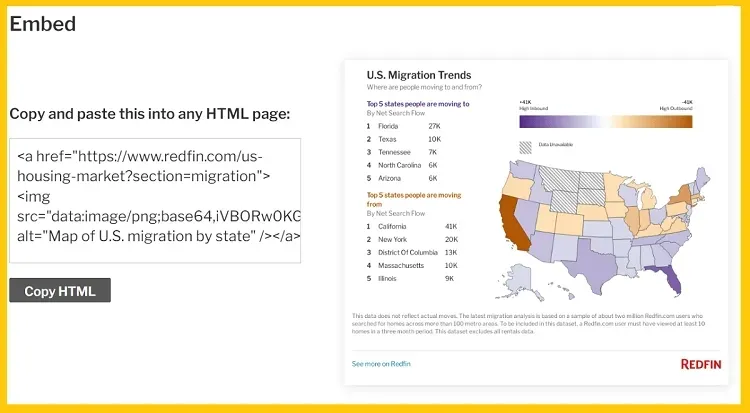
From statistical posts to embeddable calculators, Redfin has linkable assets that are generating dozens of backlinks every month.
The results?
- 6,000+ Backlinks on a single page
- 2100+ Referring domains
Why Most Brands Will Still Fail (And Why That’s an Advantage)
We have shared how link building flywheels work and the assets that power them. Yet most brands will still fail to implement this approach. Not because it is complex, but because it requires a mindset shift that many teams are not willing to make.
Here is why most brands fall behind:
- They chase quick wins instead of long term systems
- They publish more content instead of better assets
- They avoid investing in design, data, and tooling
- They stop iterating once initial links come in
- They rely heavily on outreach and paid placements
The advantage is clear. Brands that start building link building flywheels today will dominate search visibility over the next 12 to 24 months. While others reset their efforts every quarter, these brands will keep compounding authority and trust.
If you want to build a flywheel the right way, our SEO agency helps beyond just link acquisition. We work end to end across technical SEO, content systems, design led assets, and modern search experiences shaped by AI tools like ChatGPT AI Overviews. If you need help designing a sustainable growth system, reach out to us and we can help you build one that lasts.
Expertise Delivered Straight to Your Inbox
Expertise Delivered Straight to Your Inbox






Got an idea on your mind?
We’d love to hear about your brand, your visions, current challenges, even if you’re not sure what your next step is.
Let’s talk


