
Website Speed and Page Load Time Statistics For 2026
 By
By Share

Share
Get a quick blog summary with



A fast website is a must for any online business. Website speed affects how users feel, how long they stay, and how many of them buy something. It also affects how search engines rank your site.
In this listicle, you will see 60+ key statistics about website speed and load time. These numbers show how slow websites lose visitors, reduce sales, and hurt SEO.
You will also learn what users expect, how mobile speed affects shopping, and why small changes in load time can create big results.
Note: We curated these statistics from trusted and verified sources, and you will find all source links at the end of this article.
Key Website Speed and Page Load Time Statistics
- 1 1-second delay can reduce conversions by up to 20% and page views by 11%.
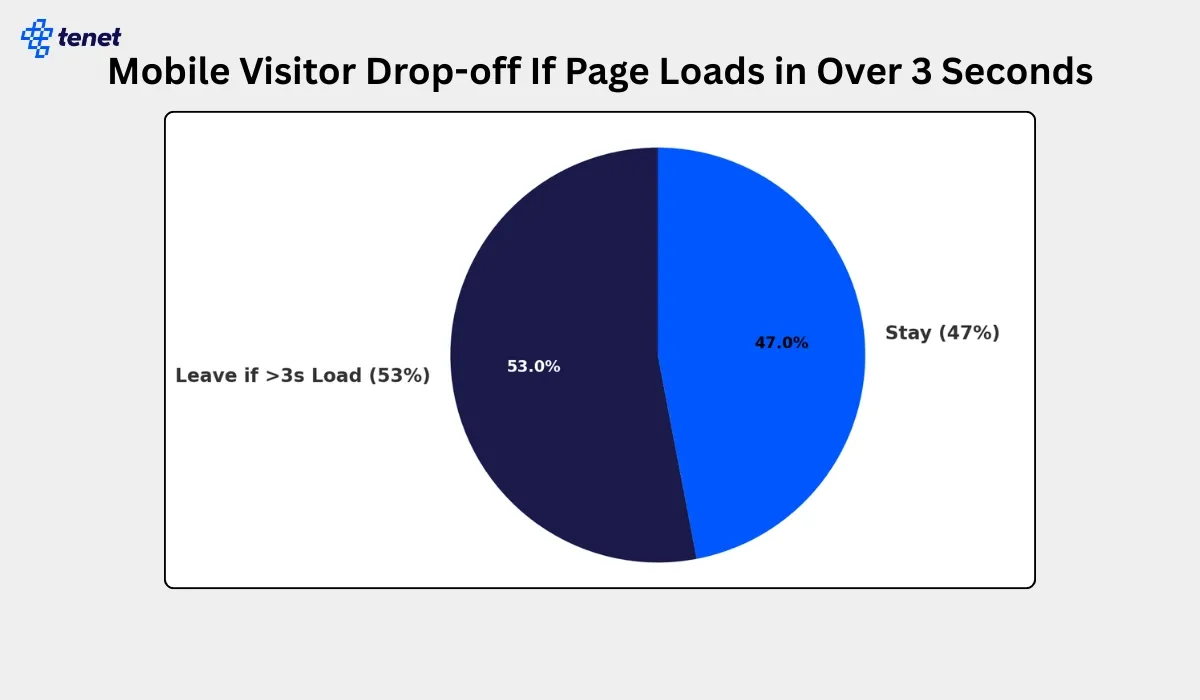
- 53% of mobile users leave a site if it takes more than three seconds to load.
- Improving LCP by 31% can increase sales by 8%.
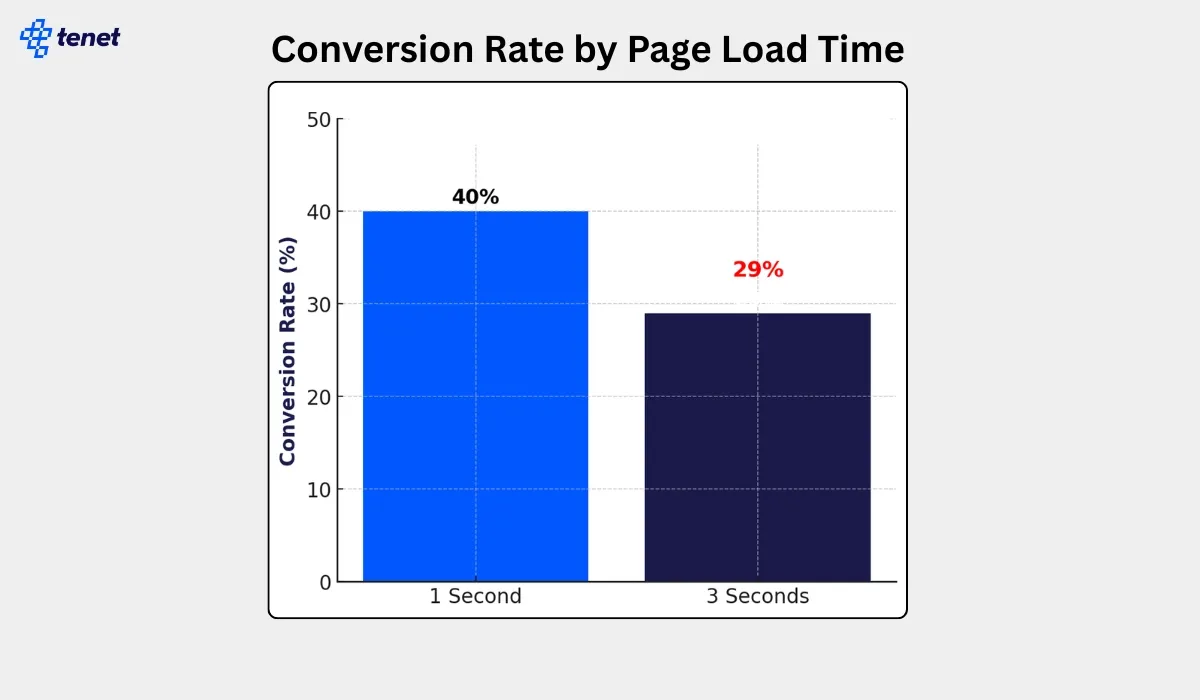
- Websites that load in one second see conversion rates as high as 40%, but this drops to 29% by the third second.
- Slow websites cost retail businesses about $2.6 billion in lost sales each year.
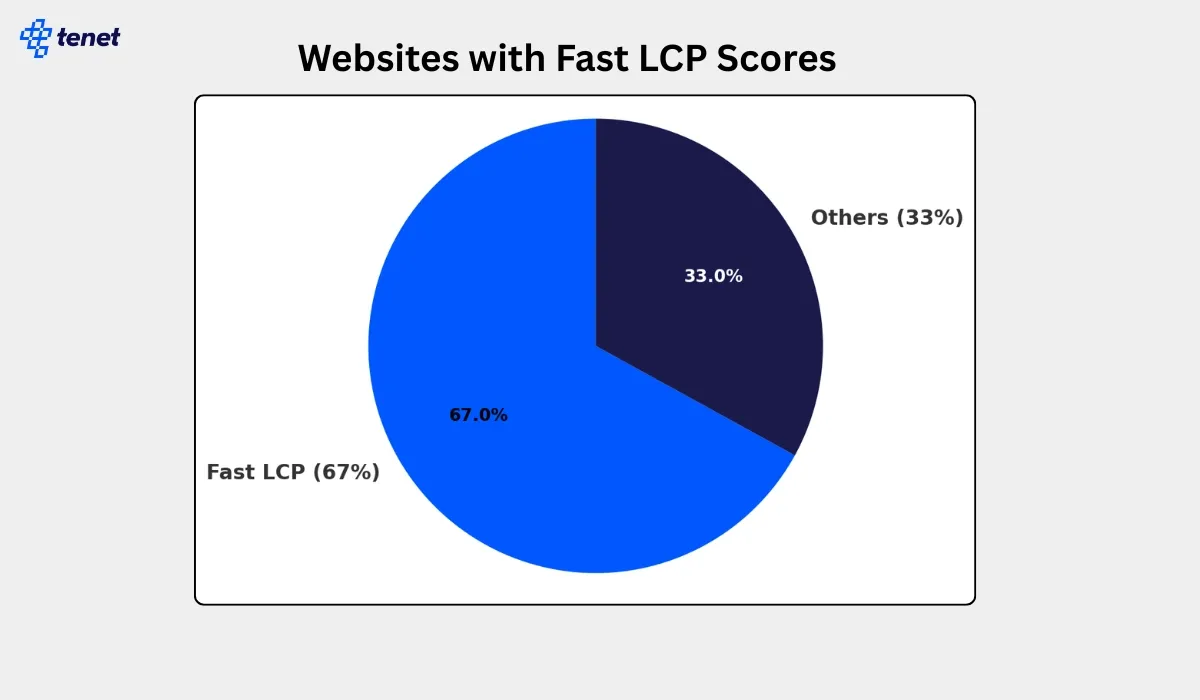
- 67% of websites achieved a fast LCP score in June 2025, showing a growing focus on speed optimization.
- Each 1-second delay reduces user satisfaction by 16%.
- Nearly 47% of users expect a page to load in two seconds or less.
- When mobile load time goes from one to three seconds, bounce rate increases by 32%.
- A 0.1-second improvement in speed can increase conversions by 8.4% for retail and 10.1% for travel sites.
👉 Is Your Website Too Slow for Users? Let our UX and web design experts help you improve speed, usability, and conversions.
- Website Design & Development Company
- UI UX Design Services | User Experience Consulting
- UX Research Services
- eCommerce development services

SEO and Ranking Impact
Website speed plays a big role in how search engines rank web pages. A slow website hurts both user experience and SEO results. Search engines now focus more on how real users experience a website’s loading time. The following statistics show how website speed connects with search rankings and user trust.
- Both Google and Bing use page speed as a ranking factor; faster websites appear higher in search results because they provide a better user experience.
- Google now uses Chrome User Experience (CrUX) data to measure real loading performance on websites. This means ranking depends on how fast pages load for actual visitors, not just in lab tests.
- Improving the Largest Contentful Paint (LCP) by 31% can increase sales by 8%, showing that Google’s focus on page experience also helps businesses grow.
- In June 2025, 67% of websites achieved a fast LCP (Largest Contentful Paint) score, proving that more site owners now prioritize speed for better visibility.
- Google’s best practice suggests that mobile pages should load in under three seconds, and servers should respond within 1.3 seconds to meet SEO and user standards.
Business and Conversion Impact
A fast website can make or break a business. When a website loads quickly, users stay longer and complete more purchases.
Slow websites drive people away, reduce sales, and harm brand trust. Even a one-second delay can mean thousands of dollars lost in missed conversions. Speed directly affects how users act and how much revenue a business earns.
Conversion Rate and Revenue Impact
- A one-second delay causes 11% fewer page views, reducing both traffic and engagement.
- A one-second delay may lower conversions by up to 20%, showing how sensitive users are to slow load times.
- When pages load in one second, conversion rates are about 40%, but they drop to 29% by the third second and fall even lower after that.
- A 0.1-second improvement in speed can increase conversions by 8.4% for retail and 10.1% for travel websites.
- Websites that load in about 3.3 seconds reach peak conversion rates of 4.75%, while slower ones drop by 26%.
- The highest eCommerce conversion rates happen on websites that load within one or two seconds.
- B2B websites that load in one second have conversion rates three times higher than those loading in five seconds and five times higher than those taking ten seconds.
Sales Loss and Business Risk
- Slow websites cost retail companies about $2.6 billion in lost sales each year.
- A business can expect to make 30.5 sales for every 1,000 visitors if its website loads in one second, but only 10.8 sales if it loads in five seconds or more.
- A two-second delay in load time increases cart abandonment rates to 87%.
- Each one-second delay reduces overall user satisfaction by 16%.
- The BBC loses about 10% of its users for every extra second a page takes to load.
- Vodafone improved sales by 8% and increased its cart-to-visit rate by 11% after improving page speed.
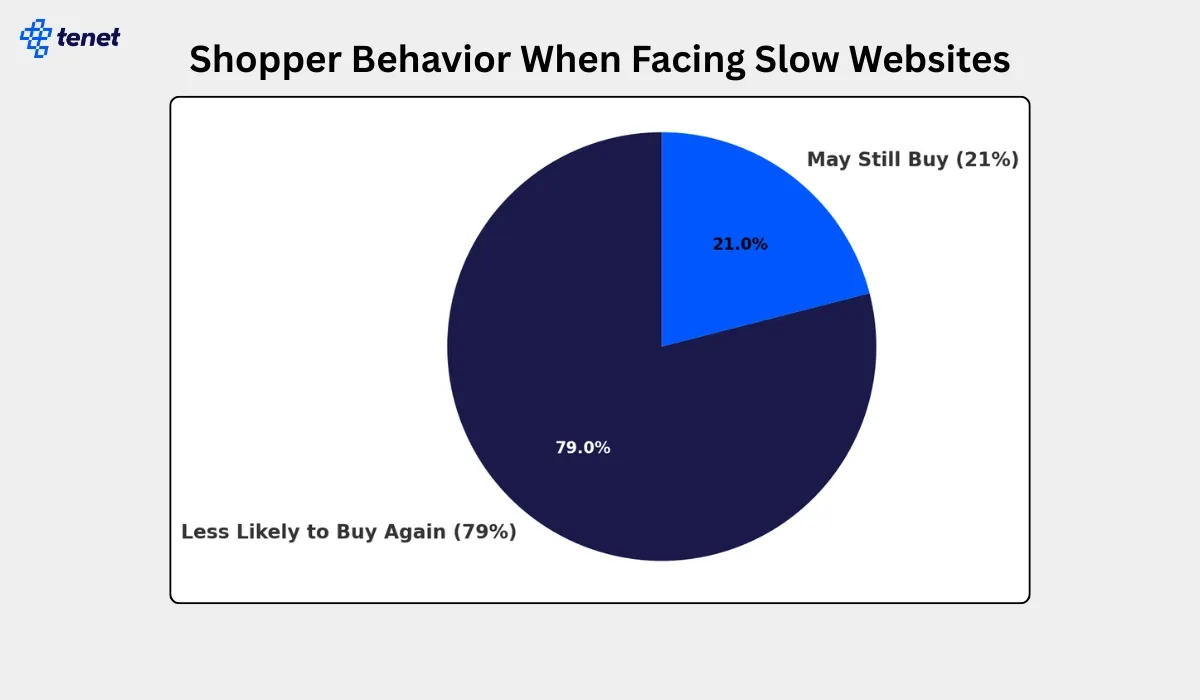
- About 79% of shoppers who face slow websites are less likely to buy again from the same site.
Mobile Page Speed and User Behavior
Mobile users expect websites to load fast and respond smoothly. A slow mobile website quickly frustrates visitors and makes them leave. Since more than half of global web traffic comes from mobile devices, mobile speed directly affects both conversions and customer trust. Every extra second can change how users behave and whether they decide to buy or not.
Load Time and Bounce Behavior
- About 53% of visitors leave a mobile website if it takes more than three seconds to load.
- When a mobile page load time increases from one to three seconds, the chance of users leaving rises by 32%.
- If a mobile website takes over ten seconds to load, the bounce rate can increase by 123% compared to a one-second load time.
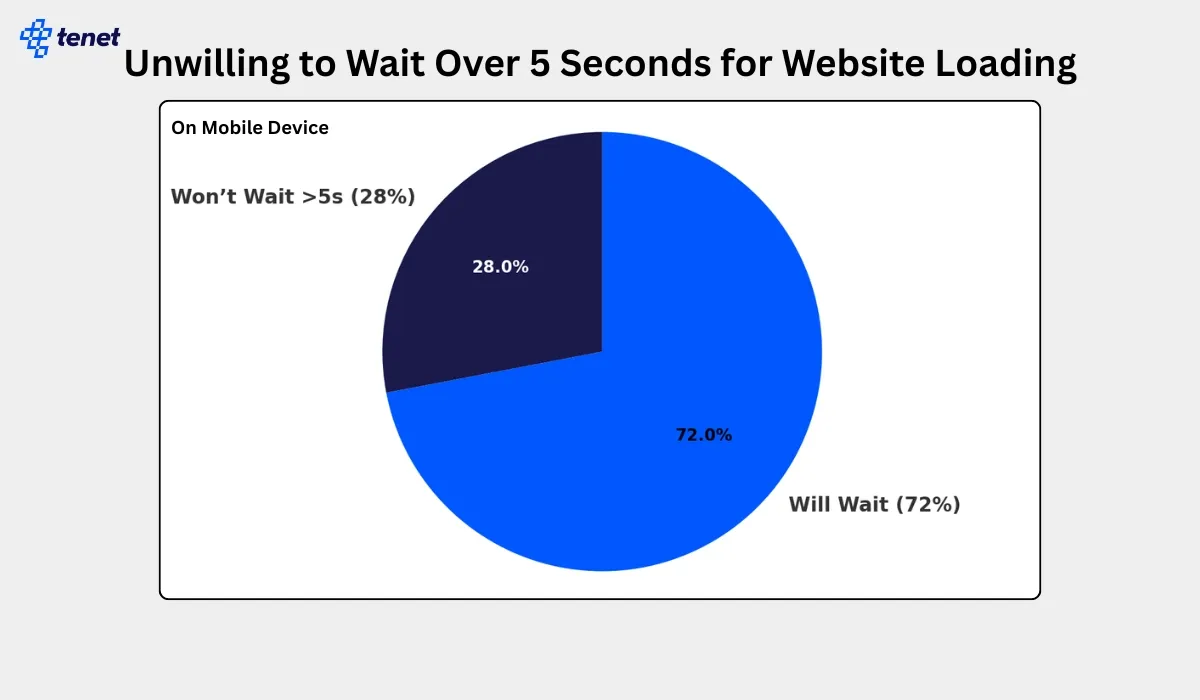
- Around 28% of people will not wait more than five seconds for a website to load on mobile.
- Each one-second delay in mobile page load time can reduce conversions by up to 20%.
- On 70% of mobile landing pages, it takes up to seven seconds to fully load all visual content.
- Nearly three out of four mobile users have experienced a slow-loading website, making this one of the most common online problems.
User Experience and Purchase Behavior
- Around 54% of users say they feel more frustrated as mobile load times increase.
- About 62% of people who have a bad experience on a mobile site are less likely to buy from it again.
- Around 70% of shoppers now use smartphones to make online purchases, and 85.6% have bought something online in the last month.
- Mobile devices now account for 54.67% of all global website traffic.
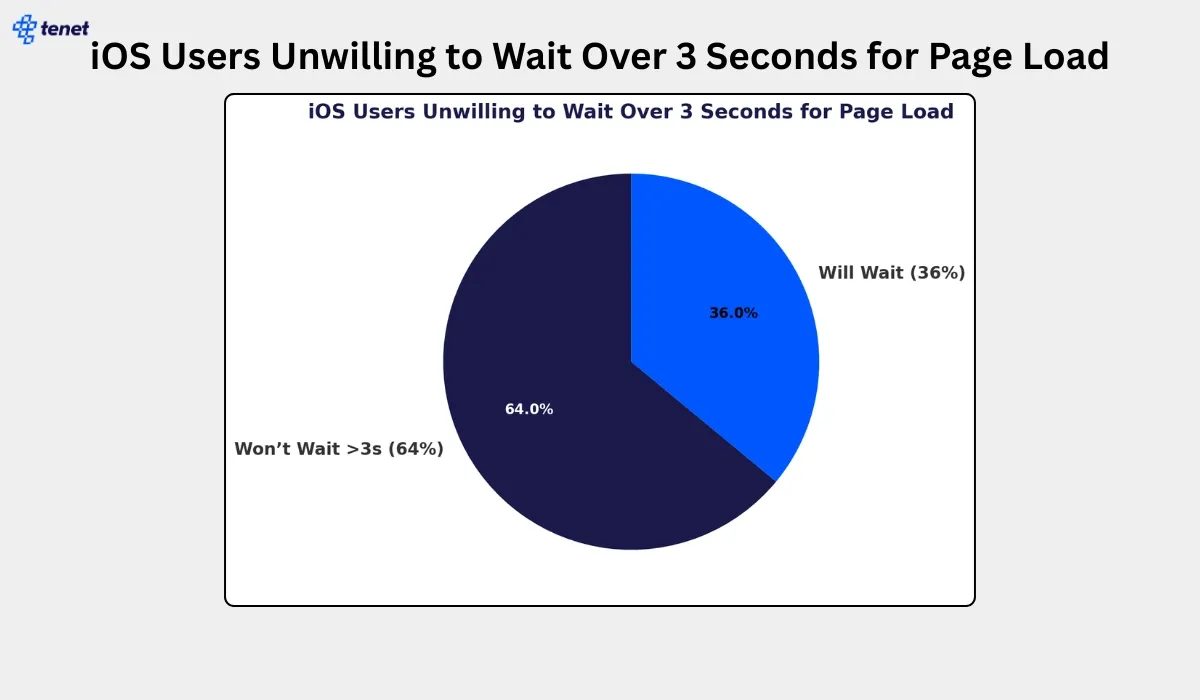
- iPhone users are less patient than Android users, as 64% of iOS users will not wait more than three seconds for a page to load.
Average Load Speeds and Benchmarks
Website speed differs by country, device, and type of website. These benchmarks show how long websites usually take to load and which regions have the fastest internet. Knowing these averages helps businesses understand how their site performance compares to others and where they can improve.
- The average website loads in about 1.3 seconds, showing that modern sites can be fast when well-optimized.
- On average, desktop pages load in 2.5 seconds, while mobile pages take around 8.6 seconds to load.
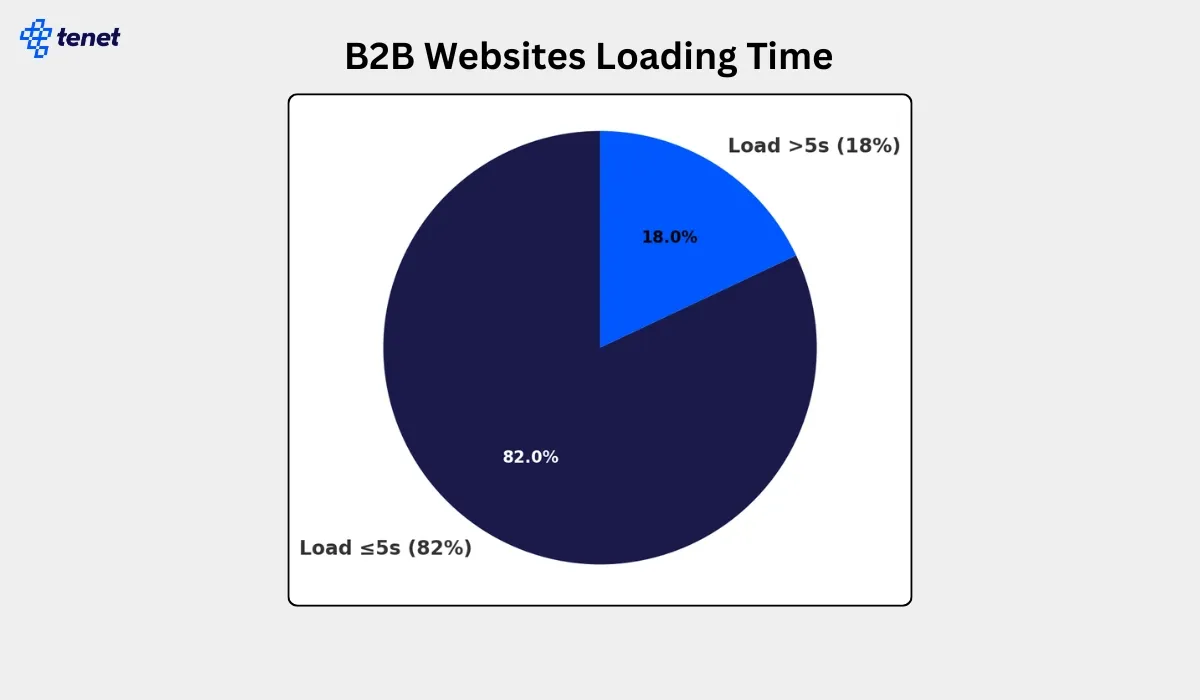
- Around 82% of B2B websites load in five seconds or less, proving that many business sites focus on performance.
- On one in four mobile websites, pages take longer than 2.1 seconds to load, and one in a hundred takes more than 5.7 seconds.
- Qatar has the world’s fastest mobile internet, with an average speed of 334.63 Mbps.
- The United Arab Emirates has the fastest fixed broadband connection, with speeds reaching 291.85 Mbps.
User Expectations, Patience, and Emotions
People expect websites to load quickly and work smoothly. Slow websites make users impatient, frustrated, and less likely to return. User behavior data shows that even short delays can change how people feel and act online. Understanding these emotions helps businesses create better, faster websites that keep visitors happy.
- Around 70% of consumers say page speed affects their decision to buy from a website.
- Nearly 47% of users expect a page to load in two seconds or less, while 40% leave if it takes longer than three seconds.
- Half of the users say they would skip videos or animations if it helps the website load faster.
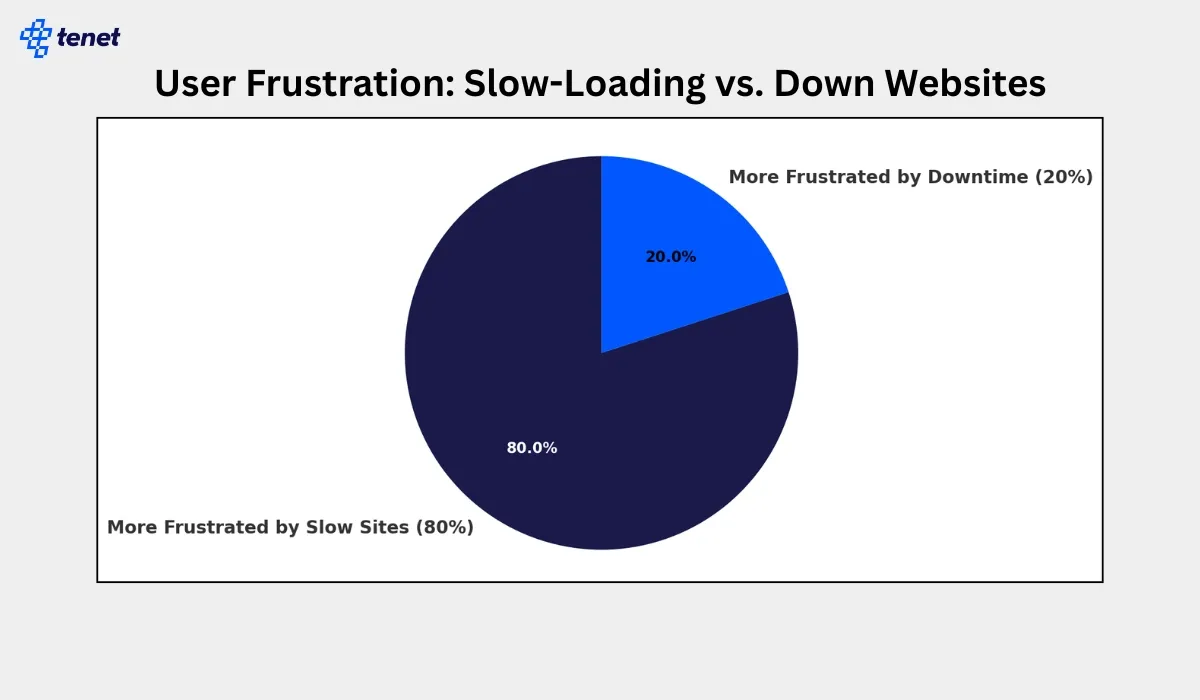
- About 80% of users find a slow-loading website more frustrating than a website that is temporarily down.
- Stress levels increase by 33% when content takes more than six seconds to appear on the screen.
- Around 73% of users say they would switch to another website if the one they visit loads too slowly.
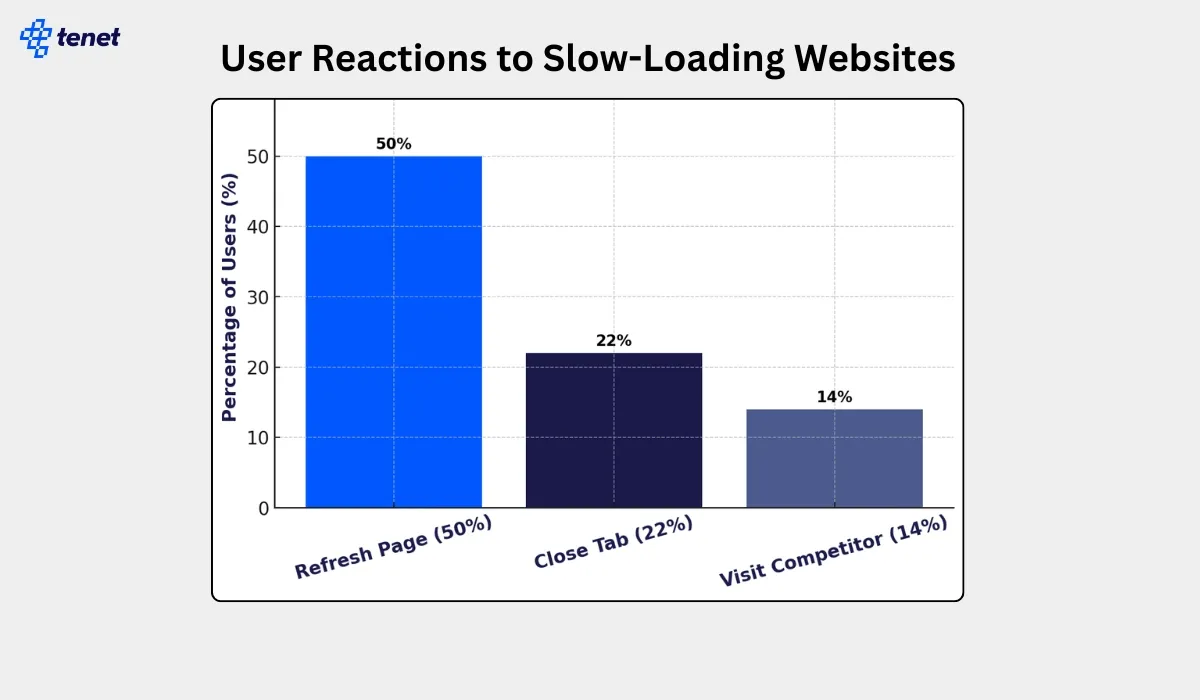
- When a website loads slowly, about 50% of users refresh the page once, 22% close the tab, and 14% visit a competitor’s site instead.
Technical Factors Affecting Speed
The technical design of a website has a big effect on how fast it loads. Images, file sizes, and server performance are often the main reasons behind slow pages. By fixing these issues, websites can load faster, reduce bounce rates, and give users a smoother experience.
- Reducing the total size of a website can improve its load time by up to 50%.
- Properly resizing images before uploading them can make a page load about 1.54 seconds faster.
- Around 10% of web pages could save about 1MB of data by compressing their images.
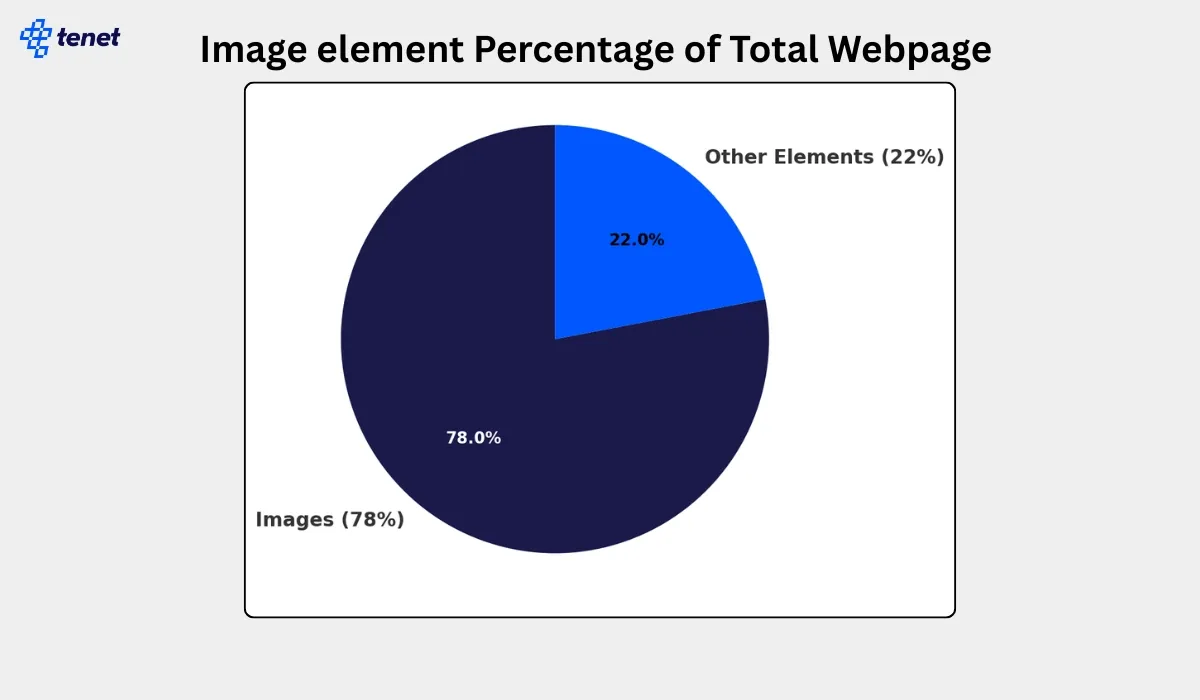
- Images take up about 78% of a webpage’s total size, making them the biggest reason for slow performance.
- An average webpage contains around 21 images that together weigh about 1.9 MB.
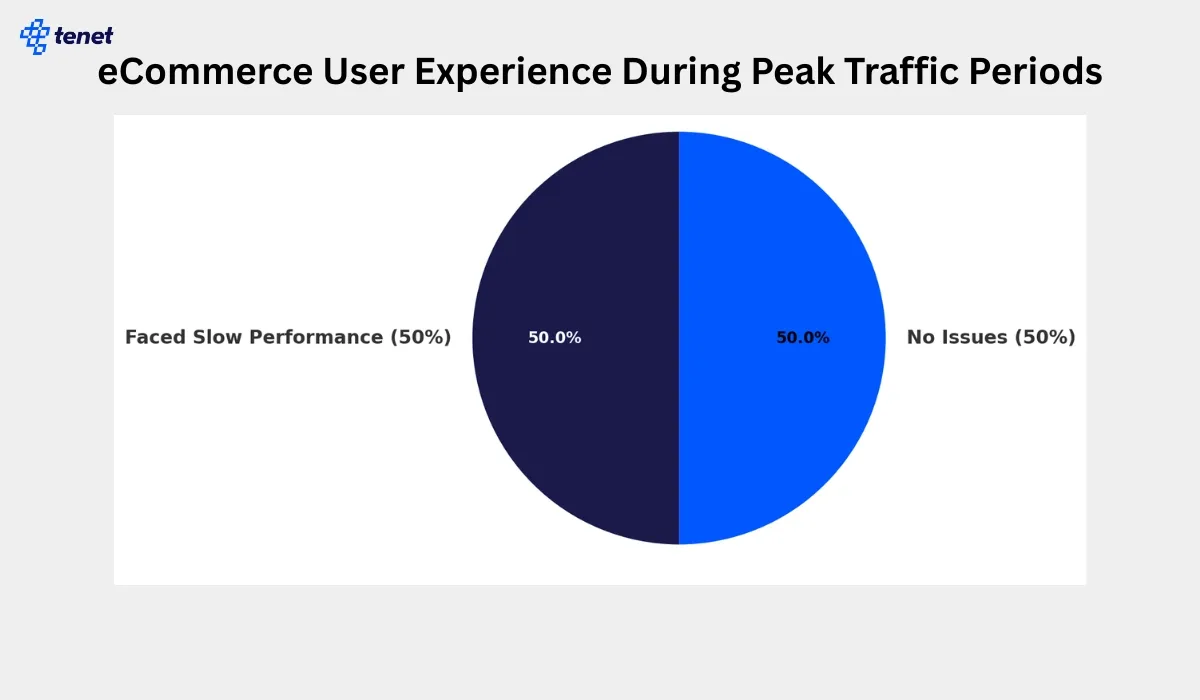
- About half of all eCommerce users have faced slow website performance during high-traffic events, such as sales or holiday seasons.
Industry Insights and Optimization Priorities
Website speed affects all industries, from eCommerce to B2B companies. A few seconds of delay can lead to fewer visitors, lower sales, and lost trust. Even though the data clearly shows the benefits of faster websites, only a small number of marketers focus on improving speed as a key strategy.
- Around 18.7% of visitors on B2B manufacturing websites said the pages loaded too slowly.
- About 50% of eCommerce users have faced slow website performance during peak traffic periods, such as sales or holidays.
- Vodafone improved its page load speed by 31%, which helped the company increase sales by 8% and raise its cart-to-visit rate by 11%.
- Only about 3% of marketers say that improving website speed is their main priority.
- Around 3% of website owners plan to invest in upgrades that make their sites load faster.
💡 Explore our data studies and research articles:
- Web Accessibility Statistics to Know
- Conversion Rate Optimization Statistics You Should Know
- LLM Usage Statistics: Adoption, Tools, and Future
Final Words
Website speed is not just a technical factor; it is a key part of user experience, sales, and brand trust. The data clearly shows that even a one-second delay can lower conversions, reduce traffic, and hurt rankings. Fast websites make visitors stay longer, buy more, and return more often.
Improving page speed is not difficult when businesses pay attention to small details like image size, server response time, and page structure. Every second saved creates a better experience for users and a stronger result for companies.
In the end, website speed is not only about numbers; it is about how fast you can deliver value to your users. A faster website builds a faster path to growth.
Data Sources
- https://googlewebmastercentral.blogspot.com/2010/04/using-site-speed-in-web-search-ranking.html
- https://www.searchenginenews.com/blog/entry/bings-updated-webmaster-guidelines-focuses-heavily-on-social-signals-page-s
- https://bloggingwizard.com/how-page-speed-impacts-seo/
- https://www.searchenginejournal.com/nearly-70-of-consumers-say-page-speed-impacts-their-purchasing-decisions/290235/
- https://www.browserstack.com/guide/how-fast-should-a-website-load
- https://www.thinkwithgoogle.com/marketing-strategies/app-and-mobile/page-load-time-statistics/
- https://www.thinkwithgoogle.com/marketing-strategies/app-and-mobile/mobile-page-speed-new-industry-benchmarks/
- https://www.thinkwithgoogle.com/marketing-strategies/app-and-mobile/mobile-site-speed-tools-purchase-impact
- https://www.thinkwithgoogle.com/intl/en-emea/marketing-strategies/app-and-mobile/mobile-page-speed-data/
- https://web.dev/case-studies/vodafone
- https://www.crazyegg.com/blog/speed-up-your-website/
- https://medium.com/@business_98562/why-does-my-website-take-long-to-load-ee6a4984360d
- https://topdesignfirms.com/web-design/online-presence-management
- https://www.hostinger.com/tutorials/website-load-time-statistics
- https://www.statista.com/statistics/1422203/frustration-factors-on-b2b-manufacturing-websites/
- https://www.statista.com/statistics/896768/countries-fastest-average-mobile-internet-speeds/
- https://www.statista.com/statistics/896772/countries-fastest-average-fixed-broadband-internet-speeds/
- https://www.statista.com/statistics/277125/share-of-website-traffic-coming-from-mobile-devices/
- https://www.statista.com/statistics/276115/user-patience-with-website-loading-speeds-on-mobile-phones/
- https://www.statista.com/statistics/276117/user-expectations-of-mobile-phone-website-loading-speeds-by-country/
- https://www.ericsson.com/en/press-releases/2016/2/streaming-delays-mentally-taxing-for-smartphone-users-ericsson-mobility-report
- https://blog.eggplant.io/Surviving-Black-Friday-Avoiding-Outages-Is-No-Longer-Enough
- https://www.portent.com/blog/analytics/research-site-speed-hurting-everyones-revenue.htm
- https://blog.kissmetrics.com/wp-content/uploads/2011/04/loading-time.pdf
- https://www.akamai.com/newsroom/press-release/akamai-releases-spring-2017-state-of-online-retail-performance-report
- https://blog.radware.com/applicationdelivery/applicationaccelerationoptimization/2013/05/case-study-page-load-time-conversions/
- https://www.akamai.com/site/en/documents/white-paper/how-web-and-mobile-performance-optimize-conversion-and-user-experience-white-paper.pdf
- https://web.archive.org/web/20210716122300/
- https:/www.akamai.com/us/en/multimedia/documents/content/akamai-performance-matters-key-consumer-insights-ebook.pdf
- https://queue-it.com/blog/ecommerce-website-speed-statistics/
FAQs
1. What is the average website load time in 2025?
As of 2025, the average website loads in about 1.3 seconds when well optimized. Desktop pages take around 2.5 seconds, while mobile pages average 8.6 seconds, showing that mobile sites still lag behind in performance.
2. How many users leave if a website loads slowly?
About 53% of visitors leave a mobile website if it takes more than three seconds to load. Every extra second of delay increases the bounce rate by up to 32%, proving how sensitive users are to slow pages.
3. How much can a one-second delay impact conversions?
A one-second delay can reduce conversions by up to 20% and page views by 11%. On the other hand, improving load time by just 0.1 seconds can increase conversions by 8.4% for retail and 10.1% for travel websites.
4. How does page speed affect online sales and revenue?
Slow websites cost retailers an estimated $2.6 billion in lost sales each year. A business can make 30.5 sales per 1,000 visitors if pages load in one second but only 10.8 sales if load time reaches five seconds or more.
5. What percentage of websites meet Google’s speed standards?
In June 2025, around 67% of websites achieved a fast LCP (Largest Contentful Paint) score, showing that more site owners now focus on speed optimization to improve visibility and SEO ranking.
6. How do mobile users react to slow page loads?
About 70% of mobile users have faced a slow-loading website. Nearly 62% of them are less likely to buy again after a bad experience, and 73% of users say they would switch to another site if the current one loads too slowly.
7. What are the key statistics on user expectations for page speed?
Almost 47% of users expect a webpage to load in two seconds or less, and 40% leave if it takes longer than three seconds. 70% of shoppers say page speed directly affects their decision to buy from a website
Expertise Delivered Straight to Your Inbox
Expertise Delivered Straight to Your Inbox

























Got an idea on your mind?
We’d love to hear about your brand, your visions, current challenges, even if you’re not sure what your next step is.
Let’s talk


