
Brand Marketing vs Performance Marketing: Better ROI?
 By
By Share

Share
Get a quick blog summary with



Key Highlights
- Brand marketing builds long-term trust, recall, and emotional connection with customers.
- Performance marketing drives immediate, measurable actions like clicks, leads, and purchases.
- Brand marketing uses storytelling, consistent identity, and broad reach to shape perception.
- Performance marketing uses targeted ads, clear offers, and trackable metrics to optimize ROI.
Marketing teams face a persistent tension: invest in brand marketing to build lasting recognition, or channel resources into performance campaigns that deliver measurable conversions.
In fact, companies like Airbnb saw earnings grow by telling their brand story, while Waitrose increased sales by improving targeted ads.
The question isn’t which strategy works better, but how and when to deploy each strategy to maximize your marketing investment.
This guide unpacks what defines brand marketing and performance marketing, the key differences that shape their impact, and practical frameworks for combining the two to achieve sustainable ROI aligned with your business stage and goals.
What is Brand Marketing?
Brand marketing shapes how people see and remember your company. It builds long-term trust and emotional connection instead of pushing quick sales. It works through four parts: positioning (what your brand stands for), messaging (a clear and consistent voice), visual identity (a recognizable design), and experience delivery (how well you keep your brand promise).
The goals of brand marketing include:
- Ensure your brand is the first to come to mind when customers consider your product category.
- Build a unique and clear market position that justifies premium pricing.
- Develop customer trust by reducing uncertainty and perceived risks in the purchase decision.
- Creating emotional resonance that drives word-of-mouth and loyalty.
- Drive organic interest and engagement to reduce the cost and effort of acquiring new customers.
- Keep brand messages and experiences consistent across all platforms.
👉 Learn the complete step-by-step process to build a strategic brand identity for your business through our detailed branding guide.
Feel free to check out our Brand Marketing services:
- Branding services in India
- Branding services in the UAE
- Branding services in the USA
- Branding services in the UK
What is Performance Marketing?
Performance marketing is a data-driven way to acquire new customers through paid channels. It focuses on clear and measurable results like clicks, leads, demos, and purchases. Every action can be tracked and improved. Unlike brand marketing, which builds perception over time, performance marketing aims for fast responses and a direct return on spend.
The goals of performance marketing are to:
- Reach buyers who are actively searching or ready to purchase.
- Rapidly testing messaging and positioning using real-time feedback to refine product-market fit.
- Building a scalable and predictable sales pipeline based on known conversion rates and costs.
- Directly attributing revenue to specific marketing activities to measure return on investment accurately.
- Quickly responding to market opportunities to outpace competitors using flexible, data-driven budget allocation.
👉 If your goal is to scale demand while keeping acquisition costs under control, our growth marketing services can help you build repeatable and efficient revenue programs.
Brand Marketing vs Performance Marketing: Core Differences
1. Brand marketing builds recall; performance marketing captures active demand
Brand marketing focuses on ensuring your brand is the first people think of when they need to buy something. This kind of marketing builds long-term connections and stays in people’s minds for months or years.
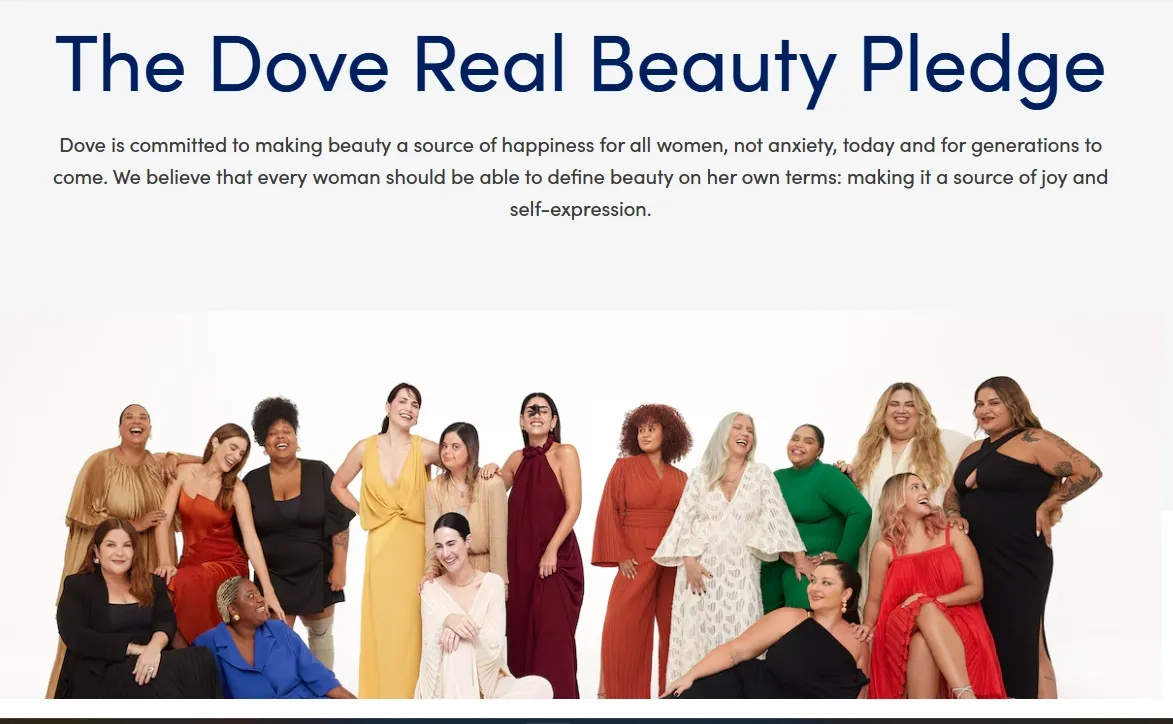
For example, Dove’s "Real Beauty" campaign, launched in 2004, didn’t just promote products.
It challenged beauty stereotypes by showing real women, sparking a global conversation. Over its first ten years, Dove’s sales grew from $2.5 billion to $4 billion. This shows how building emotional connections and authenticity creates lasting value for a brand.
The image below shows Dove’s “Real Beauty” campaign ( Dove even has a dedicated page for campaigns):
Performance marketing, on the other hand, targets people who are ready to buy right now. It aims for immediate actions like clicks, sign-ups, or purchases, and tracks every dollar spent to see clear results.
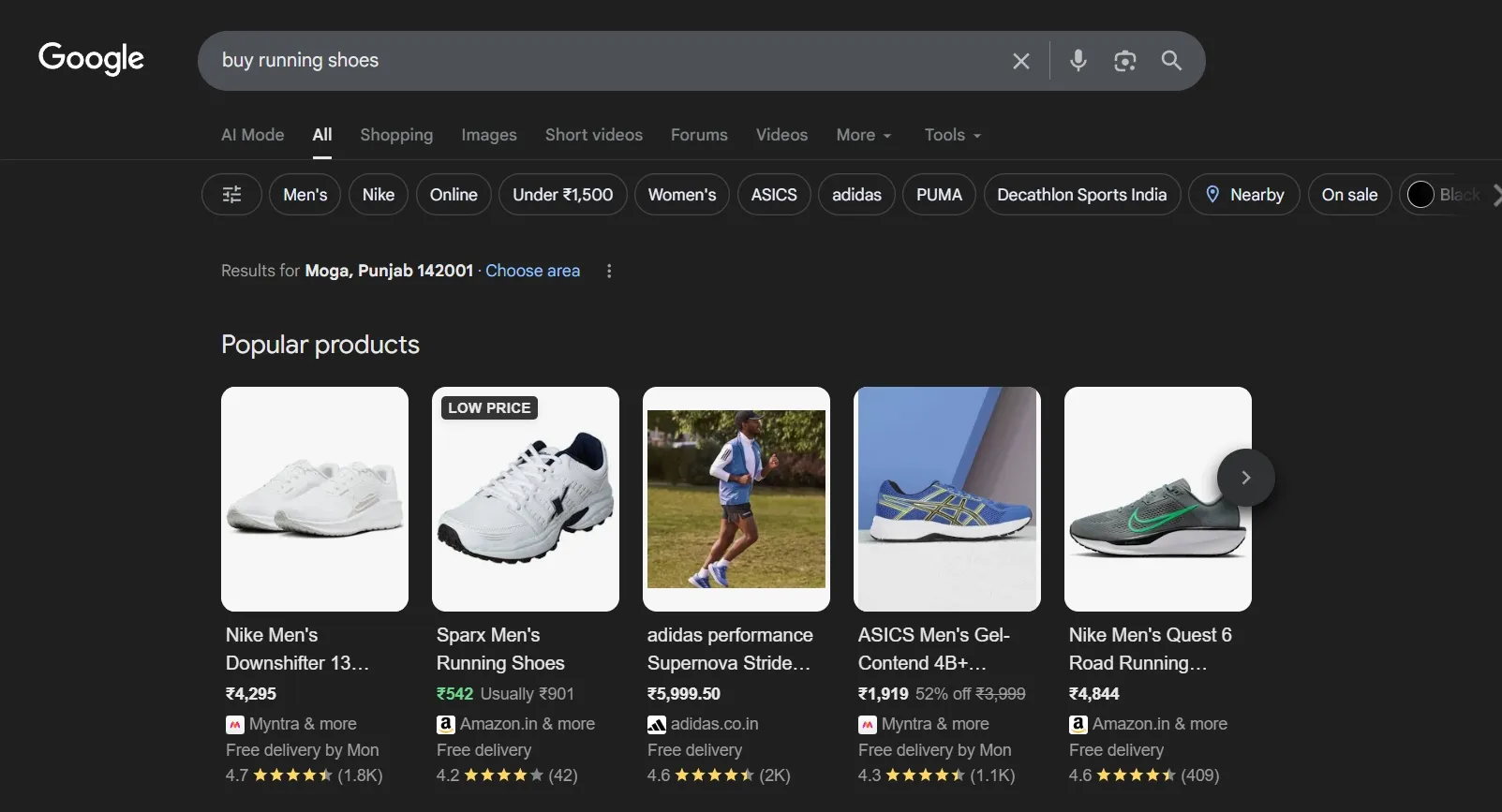
For instance, when someone searches for "buy running shoes" on Google, they see ads from retailers showing products with prices and "Shop Now" buttons. These ads reach active buyers and help them decide quickly.
This image shows how performance marketing captures immediate demand, displaying product options with prices, brands, and ratings to help shoppers compare and convert instantly.
In short, brand marketing builds lasting memory and emotional ties, while performance marketing captures immediate sales opportunities.
👉 Want to scale your customer acquisition predictably? Explore our proven SaaS marketing strategies that drive sustainable growth.
2. Brand grows with compound vs. performance delivers fast returns
Brand marketing is a strategic, long-term investment. It requires consistent effort before delivering full returns. Over time, strong brand equity drives sustained value, customer loyalty, and market advantage.
The best example of this is Apple's "Think Different" campaign, which ran from 1997-2002, featuring icons like Einstein, Martin Luther King Jr., and other revolutionary figures.
Here is the picture of Apple’s 1997 campaign “Think Different”:

The campaign repositioned Apple as the brand for creative rebels and innovators. This campaign didn't sell iMacs or laptops directly; it sold a worldview that justified Apple's premium pricing for decades, even when competitors had technically superior products.
Performance marketing works in short cycles with fast results. Marketers see outcomes in days or weeks and adjust quickly. But stopping the spending ends the benefits.
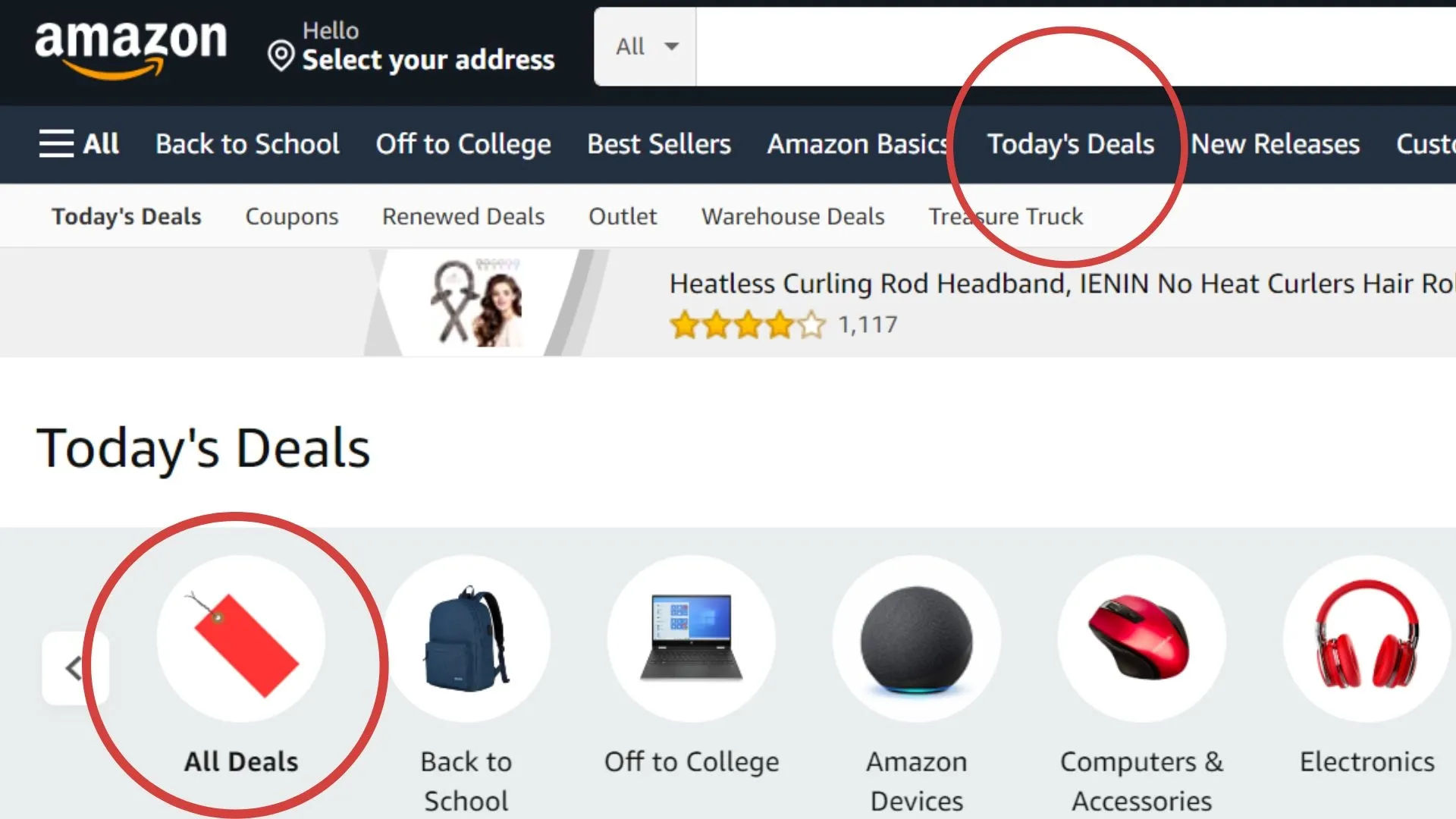
Amazon’s Lightning Deals offer another example, where specific products are heavily discounted for a limited time period, often just a few hours.
These campaigns are measured by how many units are sold during that exact window, with performance data updating in real-time to optimize inventory and targeting. Once the deal ends, so do the results.
The images below are of Amazon’s dashboard showing Lightning Deals.
3. Brand work measures perception shifts; performance work measures conversions
Brand marketing focuses on understanding changes in how people perceive your brand. Instead of looking at immediate sales, it tracks signals that predict future buyer behavior.
Marketers measure brand perception using:
- Brand recall surveys: Asking consumers what brands come to mind in a category without prompts.
- Emotional attachment ratings: Gauging feelings like trust, admiration or connection towards the brand.
- Sentiment analysis: Monitoring online conversations, reviews, and social media comments to assess positive or negative feelings.
- Share of voice metrics: Measuring how often your brand appears compared to competitors in media and discussions.
- Consideration studies: Tracking how likely consumers are to choose your brand when buying.
For example, Airbnb’s "Belong Anywhere" campaign shifted how people saw the company, from just a booking site to a community-driven travel platform. Marketers tracked increases in host sign-ups by 20% in the first year and a rise in positive online sentiment. This confirmed the campaign’s success in reshaping brand perception.
Performance marketing, in contrast, measures financial results and direct customer actions. Metrics link clearly to revenue and sales progress:
- Cost per acquisition (CPA): The marketing cost needed to gain one new customer.
- Return on ad spend (ROAS): How much revenue each marketing dollar generates.
- Conversion rate: The percentage of users who complete a desired action, such as signing up or making a purchase.
- Cost per click (CPC): The price paid for each click on a digital ad.
In essence, brand marketing measures the strength of your brand in consumers’ minds over time, while performance marketing tracks immediate responses and financial efficiency.
4. Audience Expansion vs. Conversion Focus
Brand marketing reaches large, diverse audiences to maximize exposure. This approach includes many people who are not ready to buy soon. Marketers accept that most impressions will not result in immediate sales because they focus on building preference over time.
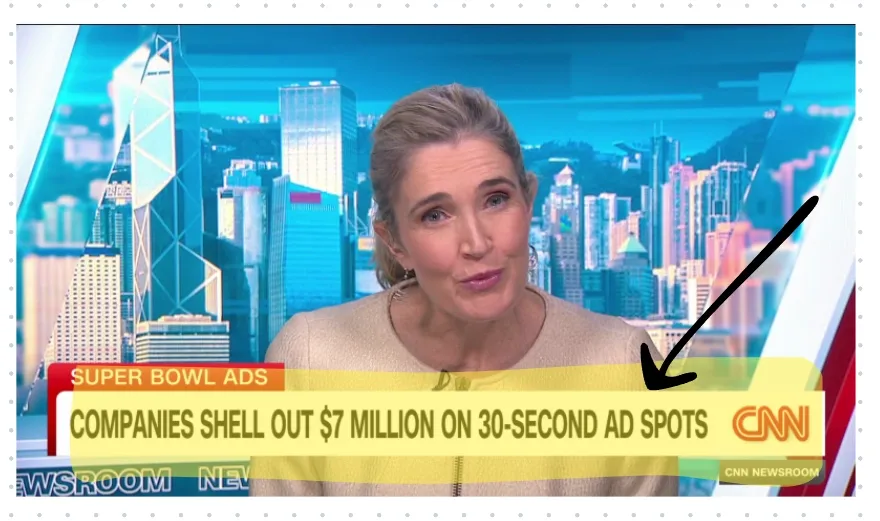
For example, Super Bowl commercials reach over 100 million viewers in the United States, with 30-second spots costing approximately $7 million in recent years. Brands like Budweiser invest in this massive reach, knowing the vast majority of viewers won't purchase immediately, but the cultural moment builds mental availability for future purchase occasions.
This picture is of CNN showing Super Bowl ads’ impact:
Performance Marketing uses precise targeting to reach only people showing signals of immediate intent or high conversion probability. Every impression should go to someone likely to act now.
For example, Retargeting ads track users who browse products but don't complete purchases, then show them specific ads featuring the exact items they viewed. Online travel agencies and e-commerce sites use this technique extensively, often adding urgency messages about price increases or limited availability to drive immediate conversions.
5. Brand relies on emotion; performance relies on clear offers and CTAs
Brand marketing uses storytelling, emotion, and sometimes subtlety to create memorable experiences that build strong connections. The creative content can be artistic, provocative, or entertaining, often without directly promoting products or prices.
For instance, Google's "Year in Search" videos, released annually, compile the year's most-searched moments set to emotional music, highlighting how people used Google during significant global and personal events.
Here is a glimpse of Google’s Year in Search 2024 YouTube video image:
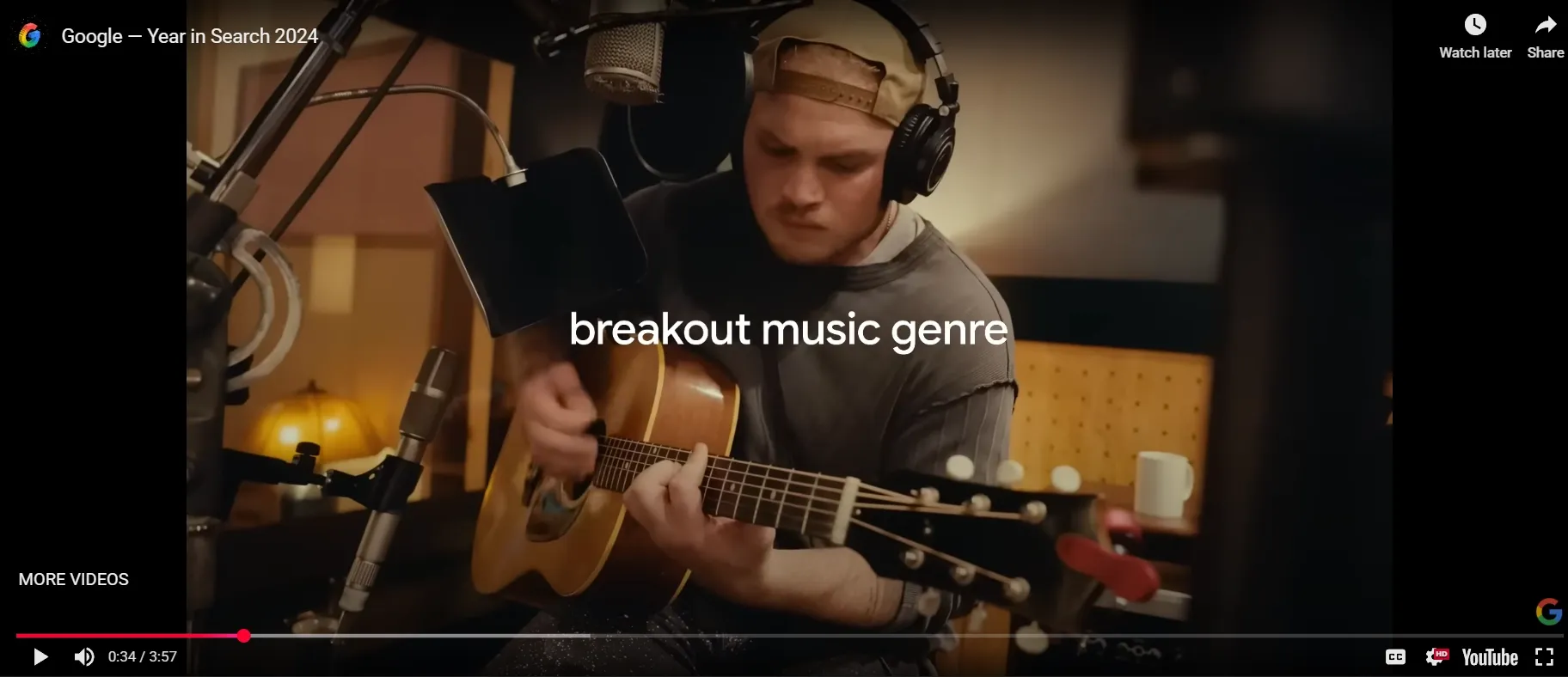
These videos focus on human stories and rarely show the Google product interface or include any call-to-action. Yet these videos consistently rank among YouTube's most-watched advertisements annually, with millions of shares and emotional comments, proving that brand impact doesn't require direct product promotion or conversion mechanics.
Performance Marketing uses clear, benefit-driven messaging with prominent calls-to-action. The creative immediately communicates what you're offering, why it matters, and exactly what action to take.
Meal kit delivery services like HelloFresh use this approach. They use performance-driven video ads with consistent formulas: demonstrate the problem (meal planning stress), show the solution (pre-portioned ingredients), state the promotional offer (free meals or discounts), and display clear calls-to-action with promo codes. Every creative element is designed to minimize friction to sign up.
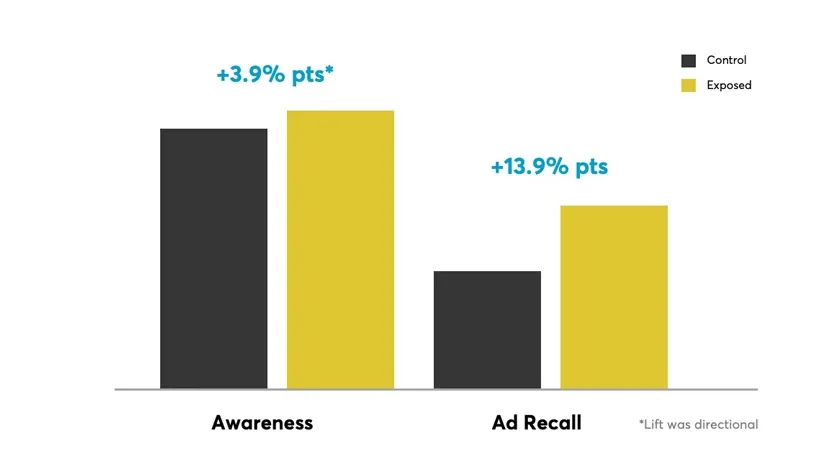
This graph shows HelloFresh’s campaign results. It increased brand awareness for its meal kit delivery service and the ad exposure drove a double digit rise in ad recall.
6. Attention Environments vs. Intent Platforms
Brand marketing favors channels where audiences engage in consumption or entertainment. These environments offer high attention but lower immediate intent to buy.
Example:
Spotify's 2016 outdoor advertising campaign used user listening data to create humorous billboards in major cities, featuring messages like "Dear person who played 'Sorry' 42 times on Valentine's Day, What did you do?" The campaign appeared in high-traffic urban locations where people were commuting, not actively searching for music services.
The following image shows Spotify’s "Dear person who played 'Sorry' 42 times on Valentine's Day, What did you do?" campaign billboard:
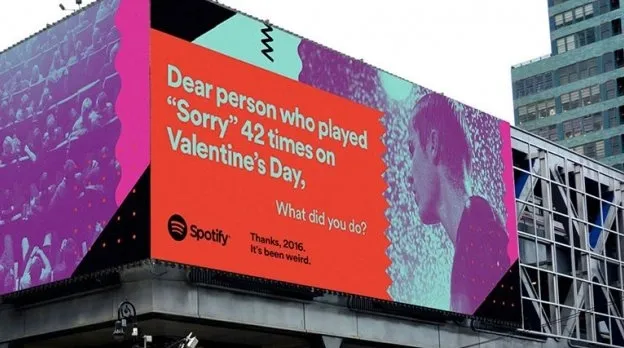
This went viral on social media, with users creating their own billboard variations, generating millions of organic impressions without paid amplification, a textbook example of brand creative resonating enough to become a cultural conversation.
On the other hand, performance marketing targets platforms where users are actively searching, shopping, or showing high purchase intent. These channels enable precise conversion tracking and deliver measurable results.
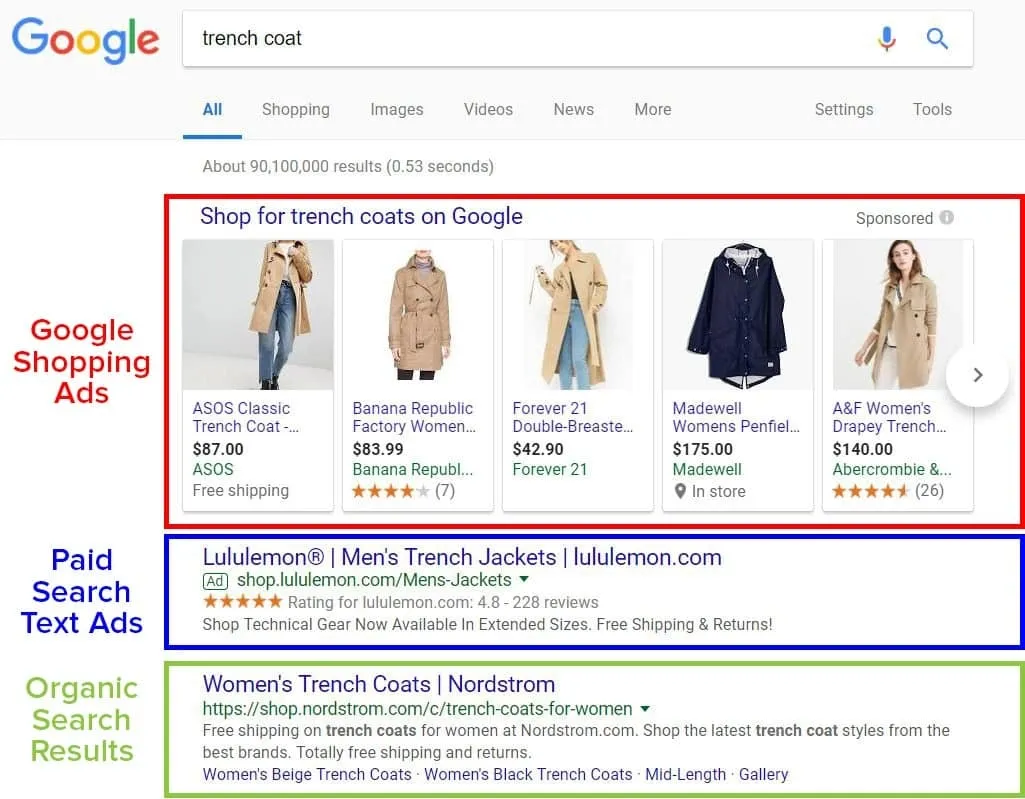
Example: Google Shopping ads appear when users search for specific products, displaying product images, prices, and retailer information before the click. Retailers like Wayfair and other e-commerce companies invest heavily in these ads because they capture high-intent shoppers actively comparing products to purchase.
Here is a picture demonstrating how Google Shopping appears when users search for a specific product:
7. Brand needs steady spend vs. performance shifts budgets fast
Brand Marketing typically maintains steady, consistent spending regardless of short-term sales fluctuations. Like caring for a physical asset, maintaining a brand requires continuous investment despite short-term market changes.
For example, Mastercard’s "Priceless" campaign, launched in 1997, shows the power of sustained brand marketing. The company invested consistently in this campaign for over two decades, irrespective of recessions, market changes, and increasing competition.
The following visual represents Mastercard’s “priceless” campaign:
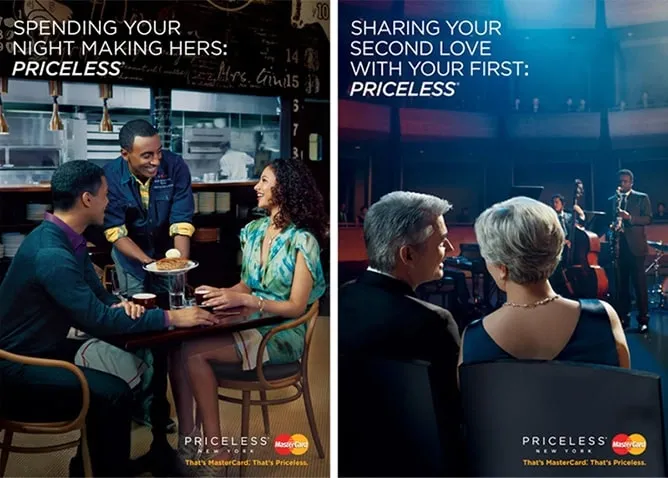
This steady commitment transformed Mastercard from a payment provider into a brand linked with meaningful life moments. Unlike short-term promotions, the campaign built lasting customer loyalty, expanded market share, and became a cultural icon recognized worldwide.
👉 To understand more about budgeting for brand marketing, explore our detailed breakdown of branding costs in 2025.
In contrast, performance marketing adjusts budgets dynamically according to real-time results. Marketers increase spending when campaigns perform well, pause or reduce budgets when performance drops, and shift funds to the most effective channels.
For example, e-commerce retailers often increase their digital ad spend by 200-400% during high-traffic shopping events like Black Friday and Cyber Monday. They scale back once the season ends, basing decisions on detailed performance data.
8. Invisible Influence vs. Trackable Touchpoints
Brand marketing often works behind the scenes. Like, a billboard may leave a lasting impression that influences a customer weeks later to search for or buy your product. However, traditional tracking tools rarely credit such brand awareness, because most systems focus on direct clicks or immediate conversions.
For example, Coca-Cola's "Share a Coke" campaign replaced the brand logo with popular names on bottles and cans. The campaign launched in Australia in 2011 and later expanded globally. It drove a 7% increase in young adult consumption and reversed over a decade of declining sales.
The images below are from Coca-Cola's "Share a Coke" campaign:

However, much of this sales lift appeared in analytics as direct traffic or organic search rather than being attributed directly to the outdoor ads, social media buzz, or TV commercials that initially sparked interest. This shows how brand marketing delivers substantial business impact that remains largely invisible in traditional attribution systems.
Conversely, performance marketing operates in environments where every action is trackable. Clicks, conversions, and revenue are clearly tied to specific ads, making the ROI measurable and straightforward.
9. Building Moats vs. Fighting Battles
Brand Marketing creates competitive advantages that are difficult to copy or outspend. Strong brand equity acts as a moat, even when competitors have similar products or bigger budgets, loyal customers choose you.
For instance, Patagonia built its brand around environmental activism over the decades. The company's 2011 ”Don't Buy This Jacket" campaign encouraged customers to buy less and consume responsibly.
This shows the “Don’t buy this jacket” campaign:

This approach created deep customer loyalty based on shared values. Competitors cannot replicate this authenticity with quick campaigns because it reflects years of consistent commitment.
Performance marketing, by contrast, operates in competitive environments where winning depends on execution and efficiency. When multiple brands target the same customers and keywords, success goes to whoever optimizes better or spends smarter.
10. Branding needs patience vs. performance offers quick testing
Brand marketing requires patience and acceptance of delayed results. Marketers invest substantial resources without guaranteed short-term returns, betting that sustained presence will build long-term value over the years.
For example, Red Bull invested billions in extreme sports sponsorships, athlete partnerships, and content creation through Red Bull Media House and events like Red Bull Stratos.
For years, these investments showed unclear direct returns compared to traditional product ads. However, Red Bull built a lifestyle brand that commands premium pricing and customer loyalty that competitors struggle to replicate.
Performance marketing, in contrast, offers clarity through continuous testing and rapid iteration. Poor-performing campaigns reveal themselves within days, allowing marketers to pause spending immediately and redirect budgets to winners.
When to Invest in Brand Marketing?
You should invest in brand marketing when your goal is to build long-term trust, loyalty, and recognition instead of short-term sales.
1. Entering crowded or commoditized markets
When competitors offer similar products at similar prices, brand marketing helps you stand out. It builds a unique identity through values, design, and emotional appeal rather than competing only on features or cost.
2. Launching new products or entering new markets
If you are introducing something new, credibility and awareness matter most. Strong branding from day one creates consistent impressions and helps audiences remember you easily.
Example: When Slack launched, people did not know they needed a digital workspace. Instead of focusing on search ads, Slack used word-of-mouth and a freemium model to let users experience the product. This approach built awareness and loyalty early, turning users into advocates and creating a new market category.
3. Low awareness or weak perception among target audiences
If people do not recognize your brand or misunderstand what you offer, brand marketing fixes that. It shapes how audiences view your business and builds stronger connections with the right customers.
Example: Airbnb shifted focus to brand marketing when its paid campaigns stopped driving growth. Their “Made Possible by Hosts” campaign increased unpaid and direct traffic, boosted bookings, and strengthened their market position even with reduced ad spending.
4. Building long-term customer relationships
Brand marketing builds trust and emotional attachment. It reduces acquisition costs over time and increases customer lifetime value by turning buyers into loyal supporters.
5. Mature business stages
When your business is established, you need to maintain relevance and recall. Mature companies usually spend around 5 to 10 percent of their marketing budgets on brand marketing to stay competitive and memorable.
When to Invest in Performance Marketing?
You should focus on performance marketing when your goal is to drive immediate, measurable results instead of long-term brand awareness. Here are a few instances where you should prioritize performance marketing campaigns:
1. Direct to consumer or e-commerce businesses
If you run a D2C or ecommerce brand where every rupee must generate sales, performance marketing helps track every conversion. It shows which channels, ads, and campaigns drive real revenue.
2. Limited budgets and short growth timelines
Startups and early-stage businesses that need fast returns benefit most. You only pay for actions like clicks, leads, or purchases instead of investing in broad awareness that may not convert.
Example: Dollar Shave Club used performance marketing perfectly. Their $4,500 YouTube video focused on direct signups with a clear offer and strong call to action. It generated instant subscriptions and validated their business without heavy brand spending.
3. Products with short buying cycles
If customers decide quickly or buy repeatedly, performance marketing helps capture them at the exact moment they are ready to act. It improves conversion rates for need-based or impulse purchases.
4. Testing new products or markets
Before making big brand investments, you can run performance campaigns to see what works. These campaigns reveal audience demand, message effectiveness, and top-converting segments.
5. Retargeting and conversion optimization
When you already have awareness but need to drive sales, performance marketing converts warm audiences with precise and persuasive messaging.
6. Highly competitive categories
If you operate in a crowded market, performance marketing helps reach high-intent customers who are actively searching for solutions. It ensures your offer stands out when they are ready to buy.
When Brands Should Combine Both Brand Marketing and Performance Marketing
While often treated as opposites, brand marketing (building long-term awareness and emotional connection) and performance marketing (driving immediate, measurable actions) are actually two halves of the same growth engine.
The most successful modern brands don’t choose between them; they synchronize both to create a flywheel where long-term trust fuels short-term conversions, and short-term conversions reinforce long-term trust.
Here’s when and how this combination becomes essential.
1. During a New Product or Service Launch
New products face a cold start problem: zero search volume for your brand name, no existing customer base to retarget, and audiences who don't know your product exists. You need to create awareness and capture demand simultaneously within the first 60-90 days when launch attention is closest.
Brand Marketing Role:
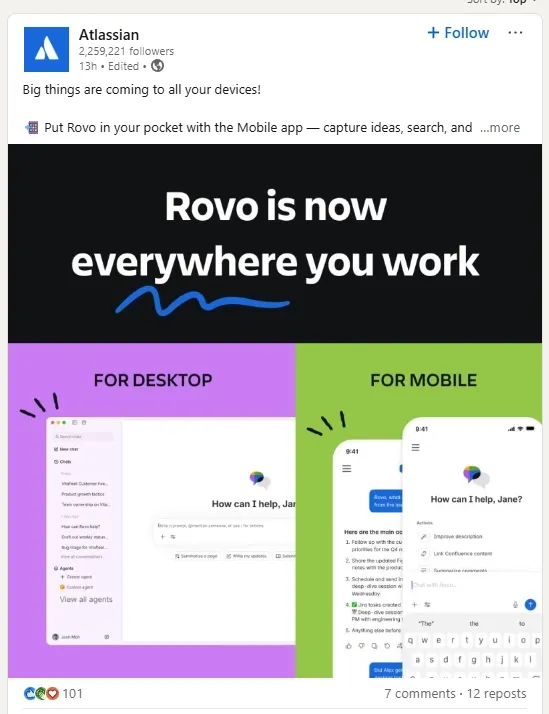
Brand campaigns create visibility across top-funnel channels. This includes PR coverage, video explainers, organic thought leadership, and paid reach campaigns on channels where your target audience spends time (e.g., LinkedIn for B2B or Meta for B2C). The goal is to make people aware of the product and understand the problem it solves.
Here is an image showing how Atlassian uses LinkedIn to reach its audience:
Performance Marketing Role:
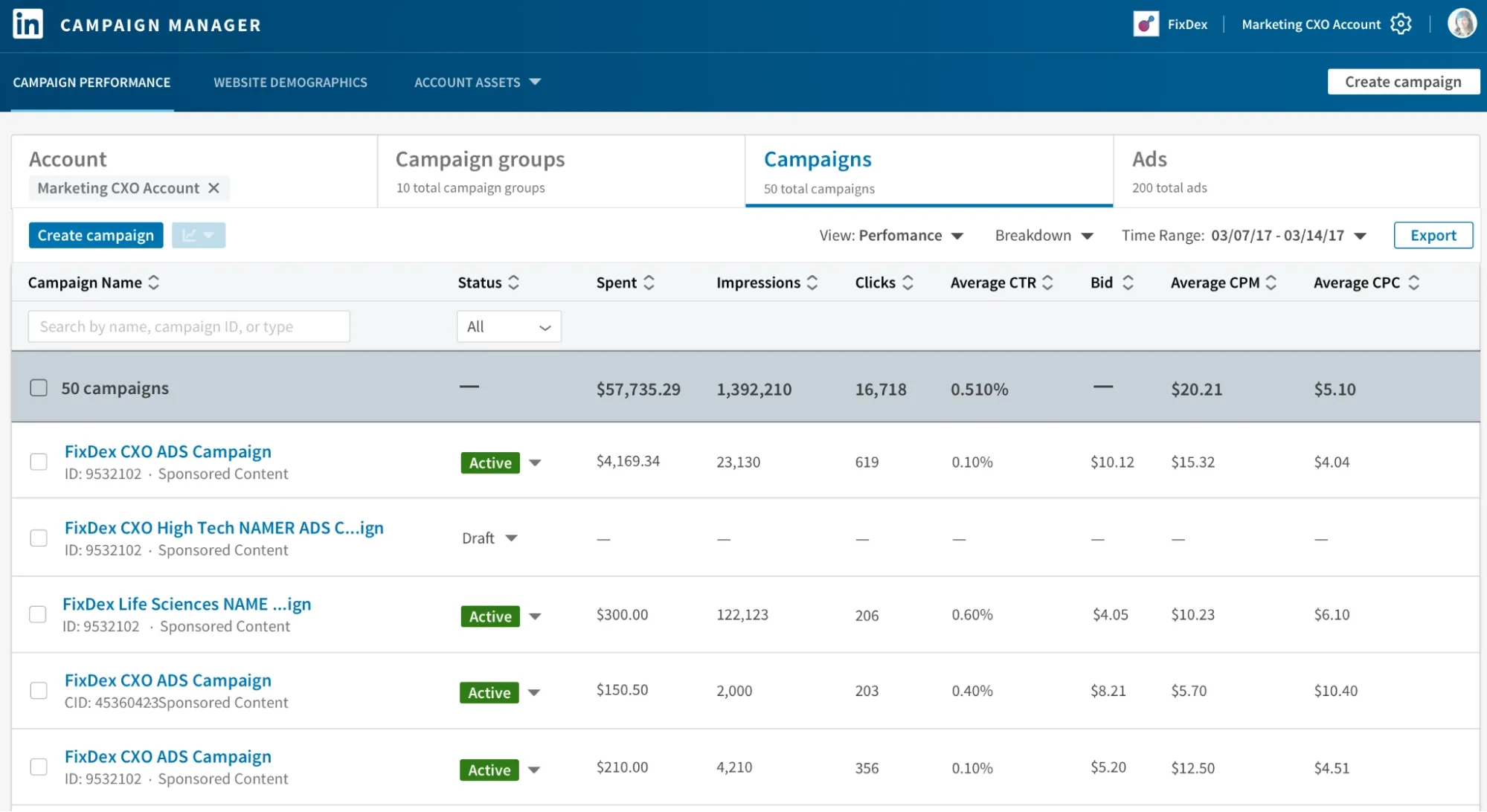
Once awareness builds, performance ads convert it into measurable demand. Retarget people who interacted with launch content, run non-branded search ads focused on pain points, and test multiple landing page versions for early conversion data. Early campaigns should track click-through rates (CTR), cost per click (CPC), and conversion rate (CVR) to identify a message that’s market fit.
This image shows how Atlassian utilize both organic brand and performance marketing through Linkedin content and Linkedin ads:

The following shows LinkedIn Ads Manager and the campaign present in it (showing how you can track CTR, CRM, CPC etc):
Result:
Lower acquisition costs after the first 6–8 weeks, stronger retargeting pools, and a faster feedback loop between awareness and conversion.
👉 Planning a product launch? Read our comprehensive SaaS Launch Marketing Plan with 16 actionable steps across pre-launch, launch, and post-launch phases.
2. When Entering a New Market or Demographic
A brand's existing search volume, customer testimonials, and brand recognition don't transfer to new geographic regions or demographic segments. You're essentially starting from zero awareness, which means your performance ads will target completely cold audiences with no prior context.
Brand Marketing Role:
Localized brand initiatives establish top-funnel awareness. Use geo-targeted campaigns (LinkedIn, Meta, YouTube) to introduce your brand narrative in region-specific contexts. Local landing pages with adapted messaging, cultural cues, and regional testimonials help in increasing relevance scores. This phase focuses on Share of Search and ad recall growth, not CTR.
Performance Marketing Role:
Once awareness campaigns start generating engagement signals, like video views, site visits, or branded searches, shift from broad targeting to intent-based acquisition. This typically happens after 4–6 weeks.
Begin testing moderate performance budgets to identify which audiences and creatives drive the most efficient acquisition costs. Use retargeting, localized search, and lookalike audiences built from early converters to focus spend on warm prospects.
Structure ad sequencing intentionally: start with a brand or explainer video, follow with a value-driven message, and end with a strong conversion CTA. Track CTR, CPC, and CVR closely to refine audience segments and creative before scaling larger budgets.
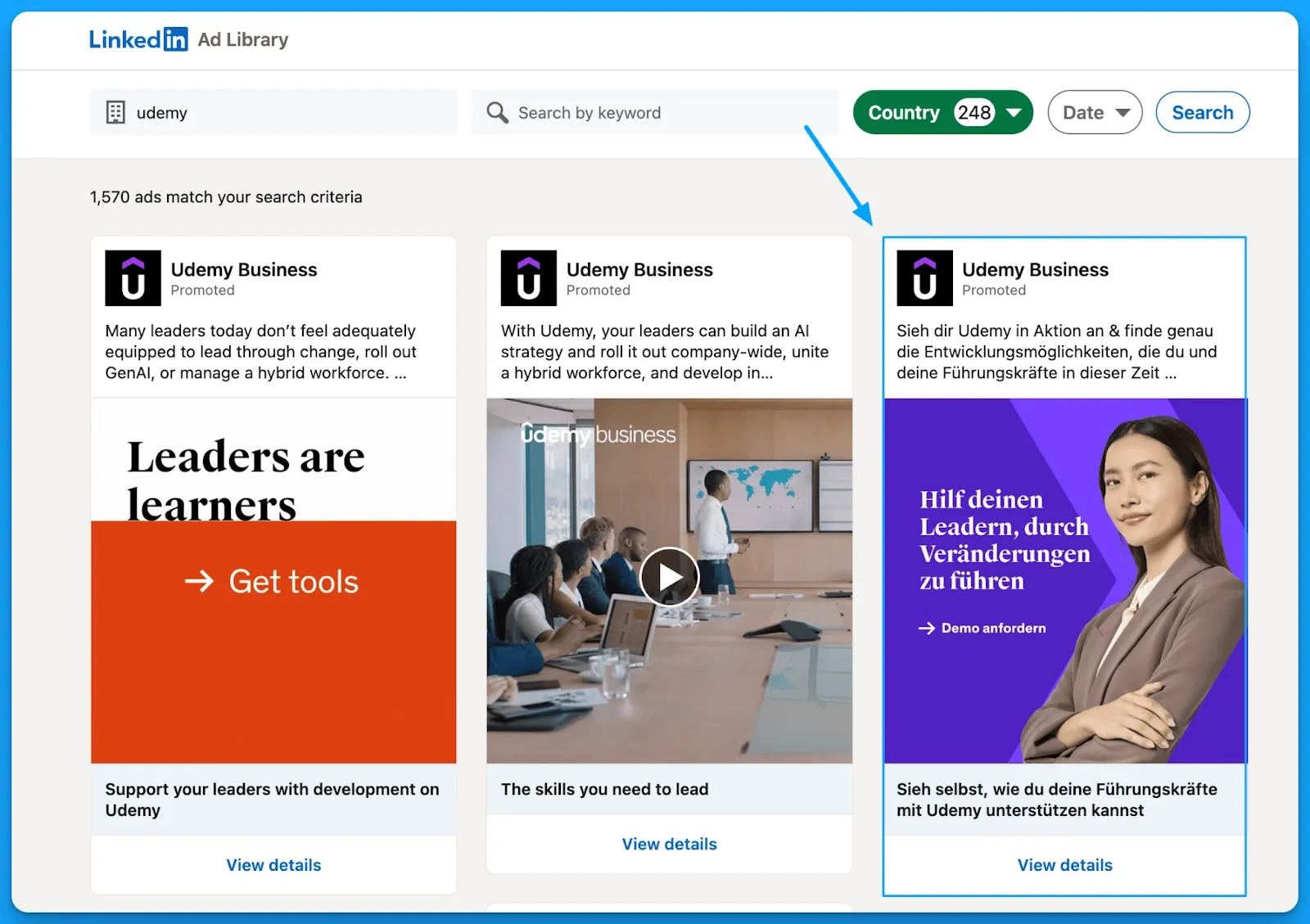
Here is an example of a geo-targeted LinkedIn ad:
Result:
A gradual drop in CPCs and improved lead-to-customer conversion rates as brand familiarity increases.
3. For Long-Term Category Leadership and Defense
When customers think of a category (e.g., "project management software"), the first 2-3 brands that come to mind capture 60% of consideration. If you're not in that mental shortlist, you'll compete purely on paid acquisition, where CPCs are highest and conversion rates are lowest.
Brand Marketing Role:
Consistent brand investment helps you stay visible and build authority in your category. The aim is to make your brand the first name people think of when they face a specific problem.
This means running thought-leadership campaigns, sharing practical video content that solves real issues, and maintaining consistent creative memory structures ( color, tone, and visual cues), so people recognize you instantly.
Use channels like SEO, PR, and podcasts to stay present in your audience’s daily feed. Sponsor events and podcasts that your buyers already follow.
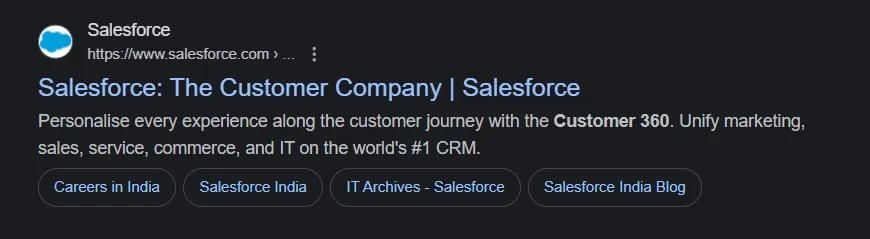
Create campaigns that explicitly link your brand to the problem: "Salesforce: the customer company."
Performance Marketing Role:
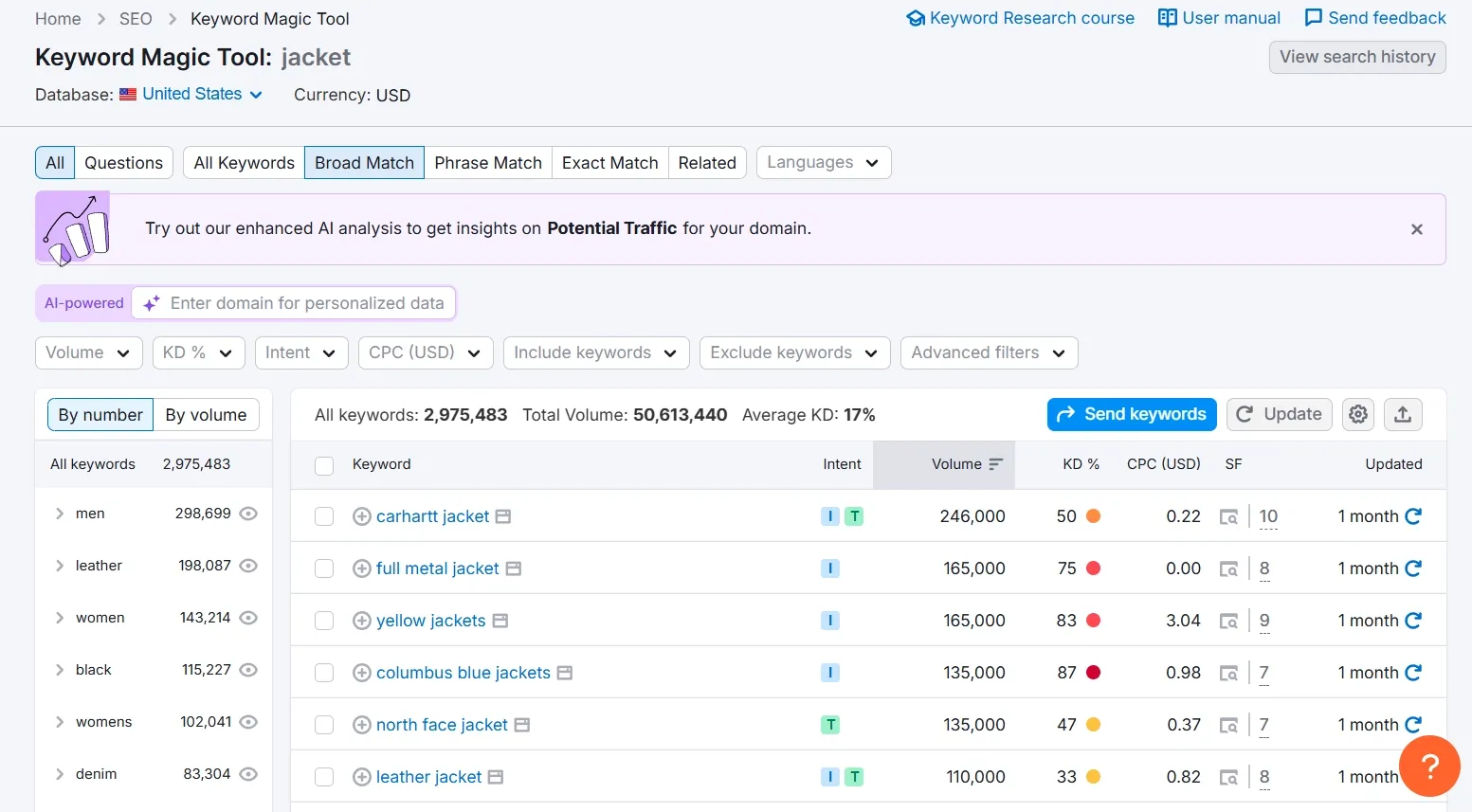
Performance budgets focus on high-intent search, comparison-based retargeting, and dynamic creative optimization (DCO) using brand-aware audiences. In performance marketing to capture active demand, bid aggressively on branded keywords to prevent competitor takeovers, and run conquest campaigns targeting rival searches.
Use retargeting to re-engage users who explored competitor sites, and monitor search query reports to detect emerging threats early and refine bids accordingly. This way, you can reduce ad fatigue and improve ROAS.
Here is the image from Semrush showing keywords to go for:
Result:
Lower dependency on expensive category keywords, reduced CPCs, and stronger organic traffic due to direct brand searches.
4. To Maximize Customer Lifetime Value (LTV)
Optimizing for the lowest cost per acquisition attracts discount hunters who churn after one purchase. A customer acquired at $50 who spends $60 once is less valuable than a customer acquired at $100 who spends $500 over 12 months. The economics only work when LTV exceeds CAC by 3:1 or higher.
Brand Marketing Role:
Brand marketing builds the emotional and informational foundation that keeps customers engaged long after acquisition. Its role is to create familiarity, trust, and a sense of belonging so that retention doesn’t depend solely on discounts or remarketing.
To achieve this, use brand-led retention programs such as customer storytelling, community content, and loyalty campaigns. Branded newsletters, usage-driven tutorials, and customer “success moments” on social platforms help sustain engagement, keeping churn low and repeat transactions high.
Performance Marketing Role:
Performance channels turn customer data into repeat revenue. Using first-party data and CRM segmentation, they identify users who’ve already engaged or purchased and re-activate them through dynamic remarketing, personalized emails, and upsell ads triggered by in-product behavior.
When paid search and social campaigns are synced with CRM systems like HubSpot, targeting adjusts automatically based on engagement or purchase signals, improving repeat ROAS and ensuring the budget goes toward customers most likely to buy again.
Result:
Higher retention, lower reacquisition costs, and better profit margins over time.
5. During Major Cultural or Seasonal Moments
During Black Friday 2024, average CPCs increased around 3% and 30% across Google and Meta while organic social reach dropped as feeds became saturated with promotional content. Brands that only run discount ads blend into the noise, while those without performance infrastructure can't convert the traffic spike.
Brand Marketing Role:
Brand campaigns help people remember why your product matters. To do this, use story-led awareness ads and emotional creatives that connect your offer to a larger idea or mission. Run high-frequency placements like YouTube Masthead or Meta Reach & Frequency to build recognition and recall before your main conversion push.
Performance Marketing Role:
Performance campaigns capture the demand that brand efforts create. Run them in parallel with real-time budget pacing, dynamic product ads, and clear audience exclusions to prevent overlap. Before launch, test landing page speed and checkout flow; even a small delay during peak traffic can drop conversions and hurt ROAS.
Result:
Higher conversion efficiency during high-traffic periods and stronger recall after the campaign ends.
How Tenet Combines Brand Marketing and Performance Marketing
At Tenet, we believe the brand marketing versus performance marketing debate is a false choice. Like exceptional UI and UX, they are interdependent.
After working with 450+ clients all over the world, we can tell you that your brand story builds the trust and desire that makes performance ads more effective, while performance data provides the roadmap for intelligent brand growth. Together, they create a powerful, self-reinforcing cycle.
You can check out the branding element we designed for IROS:
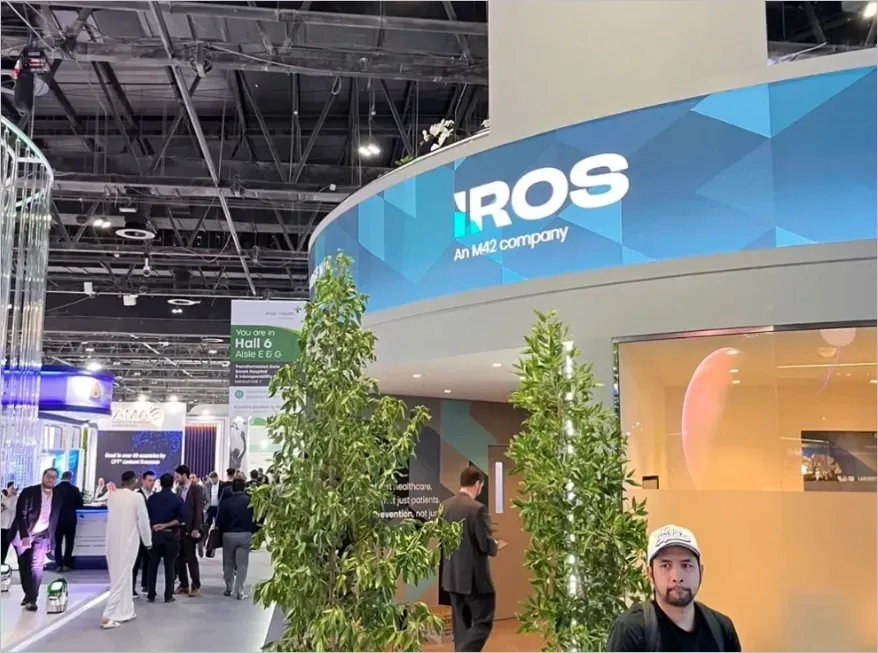
With their new brand identity, IROS transformed from just another market player to a recognized strategic leader, deeply connected with its audience.
Instead of choosing one over the other, integrate both. Build a system where your brand story attracts and your performance engine converts, creating sustainable, measurable growth
If you'd like to explore how this approach could work for your business, feel free to reach out to us. We’d love to have a conversation 🙂
Create a standout brand that drives growth. Get a branding proposal today.
Create a standout brand that drives growth. Get a branding proposal today.







Got an idea on your mind?
We’d love to hear about your brand, your visions, current challenges, even if you’re not sure what your next step is.
Let’s talk


