
M&A Branding: What Happens to Your Brand After a Merger or Acquisition
 By
Share

Share

Get a quick blog summary with



A merger or acquisition changes more than business ownership. It can also change how customers recognise, trust, and connect with a company. When two established businesses come together, their brands become part of the deal.
However, the acquired company's brand does not have to disappear. Businesses can keep both brands, bring them under one name, or create an entirely new identity. The right approach depends on each brand's value, customer recognition, and the combined business's future direction.
This comprehensive roundup explores different M&A branding strategies, real-world examples, and common mistakes to avoid when managing a brand after a merger or acquisition.
What Happens to a Brand After a Merger or Acquisition?
A merger or acquisition can change how companies present themselves to customers, employees, and business partners. Some businesses retain their existing brand identities, while others combine their names, adopt the acquiring company's identity, or create an entirely new brand.
The choice depends on factors such as brand recognition, customer loyalty, market position, business goals, and the value each company brings to the deal. Here are five possible outcomes.
1. Keep both brands
Both companies retain their existing names, logos, visual identities, and market positioning after the deal. They continue serving their respective customers while operating under the same parent company or ownership structure. This approach works when both brands have strong market recognition, loyal customers, or distinct products and services. It lets businesses share resources, technology, and expertise without losing their established identities.
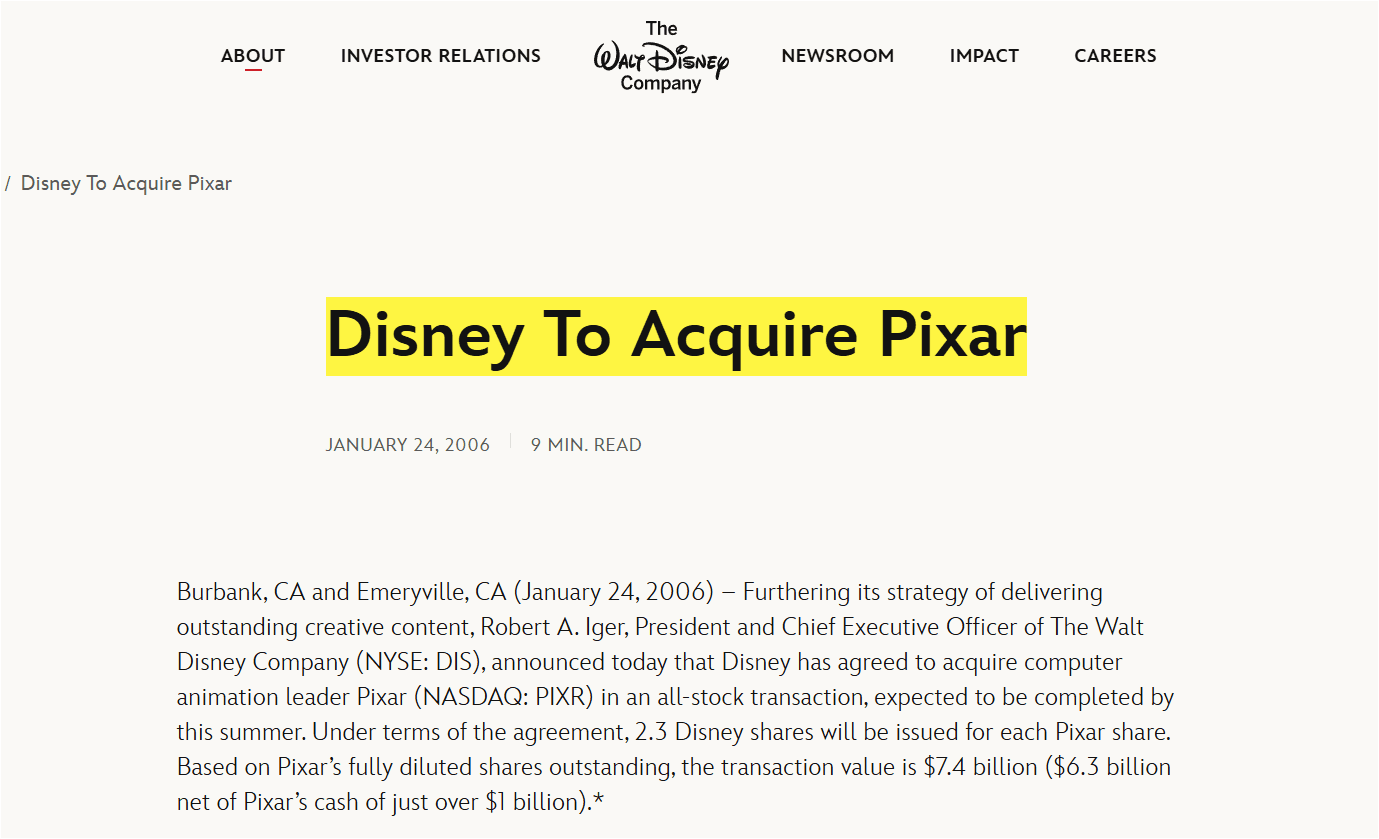
For example, Disney acquired Pixar in 2006 but retained both studios' identities and operations. Pixar continued producing films under its own name while becoming part of Disney.
In July 2025, Abu Dhabi-based International Resources Holding (IRH) acquired a 56% stake in Alphamin Resources Corp. from Tremont Master Holdings for approximately $367 million. Alphamin continued operating under its existing name, while IRH became its majority shareholder.
2. Absorb one brand
The acquired company adopts the acquiring company's name, logo, colors, and visual identity. It gradually phases out its original brand across websites, products, stores, marketing materials, and customer communication. The goal is to bring both businesses under one recognizable identity, simplify brand management, and build a consistent experience across the combined organisation.
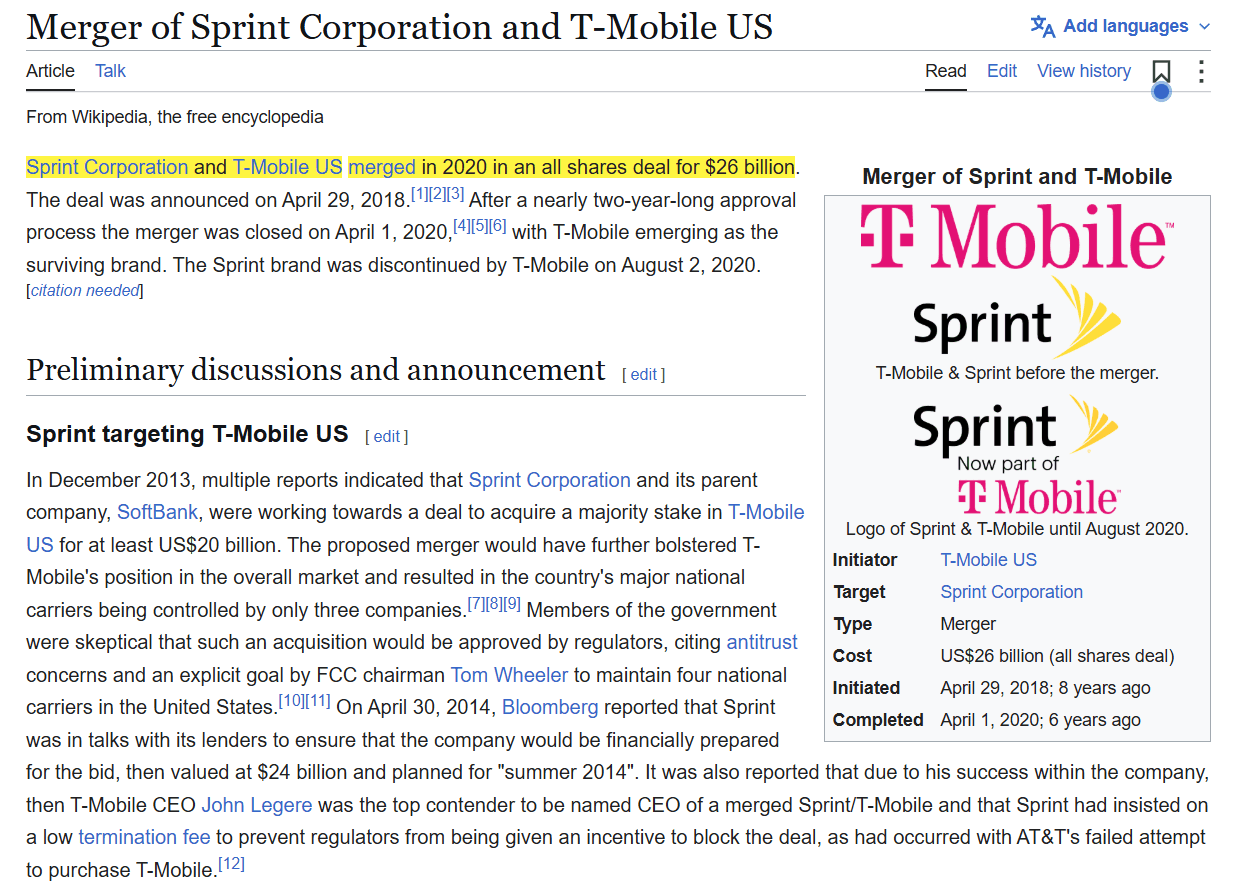
For example, T-Mobile acquired Sprint in 2020 and gradually phased out the Sprint brand, bringing its customers and services under the T-Mobile identity.
Mubadala Capital completed its $6.2 billion acquisition of US billboard operator Clear Channel Outdoor Holdings alongside TWG Global, taking the company private and delisting its shares from the New York Stock Exchange.
3. Create a new brand
Both companies move away from their existing names and identities to introduce a completely new brand. This includes developing a new name, logo, visual identity, brand messaging, and market positioning.
Companies may choose this approach when neither existing brand fully represents the combined business or when they want to communicate a new direction to customers, employees, and investors. Building awareness for a new brand requires time, investment, and a clear communication strategy.
4. Use an endorsed brand
The acquired company keeps its original name, logo, and identity but adds the parent company's name or endorsement. This creates a clear connection between the two businesses while allowing the acquired brand to maintain its existing market recognition.
The parent company's identity acts as a trust signal, helping customers understand that the business now has the backing of a larger organisation.
For example, CVS Health acquired Aetna in 2018. Aetna continued operating as a standalone business within CVS Health, and its brand name remained in use for health insurance products.
5. Use both names
Both companies combine their existing names to create a shared brand identity. The new name may include the full names or selected parts of both original names. This approach helps retain recognition from both customer bases while presenting the companies as one organisation. Businesses can use the combined name permanently or for a transition period before moving to a single brand identity.
For example, Exxon and Mobil merged in 1999 to form ExxonMobil. The combined name brought together elements of both companies' established identities.
In 2018, Praxair and Linde AG joined forces to form Linde plc. Rather than keeping two separate corporate identities, they brought both businesses under the Linde plc name, creating a shared brand for their combined operations.
A recent UAE example: e&, Uber, and Careem Technologies
The e&, Uber, and Careem Technologies transaction shows how ownership can change without necessarily changing a brand's identity.
Uber acquired Careem in 2020, with Uber retaining full ownership of the ride-hailing business. In 2023, e& acquired a 50.03% stake in a separate entity created by separating Careem's non-ride-hailing businesses. This entity, known as Careem Technologies or the Careem Everything App, includes food and grocery delivery, micro mobility, digital wallet, and financial technology services.
In August 2026, e& sold a 12.5% stake in Careem Technologies to Uber for $100 million. This reduced e&'s ownership from 50.03% to 37.53%, while e& retained its remaining investment.
This example highlights an important distinction in M&A. A change in ownership does not automatically mean a change in brand identity. Companies can change their ownership structure while continuing to operate under an established brand name.
What Changes During a Post-Merger Rebrand?
A merger or acquisition can bring two different brand identities under one business. Companies must decide how to present the combined organisation to customers, employees, and business partners. This may involve changing the company name, visual identity, messaging, digital presence, and other customer-facing materials.
Here are the key branding elements that companies may need to update:
- Company name and logo: The combined business may retain one company's name, merge both names, or introduce a completely new name. The logo may also need a redesign to reflect the new brand identity.
- Brand colors, fonts, and visual identity: Companies may update their colour palette, typography, imagery, icons, and design elements. These changes help create a consistent look across the combined organisation.
- Brand messaging and positioning: The new brand must communicate what the combined business offers, who it serves, and what makes it different. Companies may need to revise their brand story, value proposition, tone of voice, and key messages.
- Website and social media profiles: Companies may need to redesign their websites, update domain names, merge social media accounts, and change profile images and page content. They must also manage old URLs and links to avoid losing visitors.
- Packaging, signage, and marketing materials: Businesses may need to update product packaging, office signage, brochures, business cards, presentations, advertisements, and other promotional materials to match the new identity.
- Email addresses and customer touchpoints: A rebrand may also affect email domains, email signatures, invoices, customer support channels, mobile apps, and customer portals. Companies should update these touchpoints without disrupting customer access or communication.
Why Should Companies Roll Out Rebranding Changes in Stages?
A post-merger rebrand involves several changes across the business. Updating everything on Day 1 can create confusion if websites, social media profiles, marketing materials, and customer touchpoints do not reflect the new identity at the same time. It can also disrupt daily operations and make it harder for employees and customers to adjust.
A phased rollout gives companies time to prepare each change, update brand assets, align internal teams, and communicate the transition to customers. It also helps maintain a consistent brand experience across every channel.
This is how Tenet approaches rebranding projects. Our team develops the brand strategy and identity, then creates practical guidelines for logo usage, colors, typography, layouts, co-branding, and communication. We also plan the rollout and updates brand materials across digital and physical channels.
For ASDAV, Tenet created brand guidelines, brochures, presentations, and social media templates to help the team maintain a consistent identity as the school grows.
Successful and Failed M&A Branding Examples
Common Branding Mistakes to Avoid During M&A
A merger or acquisition brings major changes to a business. Poor branding decisions can confuse customers, weaken trust, and reduce the value of an established brand. Here are seven common mistakes companies should avoid when planning a brand transition.
Changing the Acquired Brand Too Quickly
Don't replace an acquired brand just because ownership has changed. First, study its market position, customer base, and reputation. Find out what makes people choose that brand and whether it has strong recognition. This helps you decide whether to retain, combine, or replace it without losing its existing value.
Letting Internal Opinions Decide the Brand Strategy
Company leaders may have different opinions about which name, logo, or identity the combined business should use. However, personal preferences should not drive these decisions. Study customer expectations, market position, and business goals before choosing a direction. This helps both companies agree on a brand strategy that supports the combined business.
Ignoring Customer Loyalty
Customers may have trusted the acquired brand for years. Changing its name, logo, or services without understanding their expectations can make them feel disconnected. Before making changes, study customer feedback and buying habits. Explain the reasons behind the transition and show customers how the change will benefit them.
Ignoring Employees and Company Culture
Employees may feel uncertain about their roles, company values, and future after a merger or acquisition. A sudden change in brand identity can increase this uncertainty. Keep employees informed about the transition, explain what will change, and involve them in the process. This helps build trust and makes it easier for teams to work together.
Changing the Website Without an SEO Plan
Changing a website's domain, URLs, or structure during a merger can affect its search rankings and organic traffic. Before making these changes, identify key pages, set up proper redirects, update internal links, and check the new website for errors. A clear SEO migration plan helps protect existing search visibility and reduces traffic losses.
Focusing Only on the Logo and Visual Design
A new logo, colour scheme, or website cannot fix an unclear brand strategy. Before investing in visual design, decide what the combined business stands for, who its customers are, and how it should position itself in the market. Once these decisions are clear, designers can create an identity that reflects the business direction.
Rushing the Brand Transition
Changing a brand across websites, products, offices, documents, and marketing materials takes time. Rushing the process can confuse customers and employees with inconsistent names and messages. Create a clear transition plan, assign responsibilities, and set realistic deadlines. Make sure all teams are ready before introducing the new brand identity.
💡 Further Resources
- A Complete Visual Branding Guide
- 6+ Branding & Logo Design Examples for Inspiration
- Corporate Branding Strategies
Final words
M&A branding succeeds when you bring two businesses together under a clear brand direction. You need to understand what customers value, decide which brand elements to retain, and build an identity that supports the combined business.
A well-planned strategy can protect brand recognition, maintain customer trust, and strengthen market position. Tenet helps businesses make these decisions through brand strategy and branding services, from brand positioning and architecture to visual identity and rebranding.
👉 Request a branding proposal to plan your next move.
Expertise Delivered Straight to Your Inbox
Expertise Delivered Straight to Your Inbox















Got an idea on your mind?
We’d love to hear about your brand, your visions, current challenges, even if you’re not sure what your next step is.
Let’s talk


