
12 Best Co-Branding Examples To Take Inspiration From
 By
By Share

Share
Get a quick blog summary with



Co-branding can help two brands reach new audiences, strengthen their market presence, and create products that attract far more attention than either brand could achieve alone.
Take IKEA × Sonos as an example. Instead of simply promoting each other's products, they combined furniture design and premium audio technology to create the SYMFONISK collection, giving customers a practical solution that reflected both brands' strengths. Having worked with brands that have contributed to more than $1.54 billion in tracked client growth, Tenet has seen what separates successful brand collaborations from short-lived marketing campaigns.
We created this guide to showcase some of the best co branding examples, explain why they worked, and highlight the lessons you can apply to your own brand.
Co-branding examples to take inspiration from
Example 1: Liquid Death × Pop-Tarts
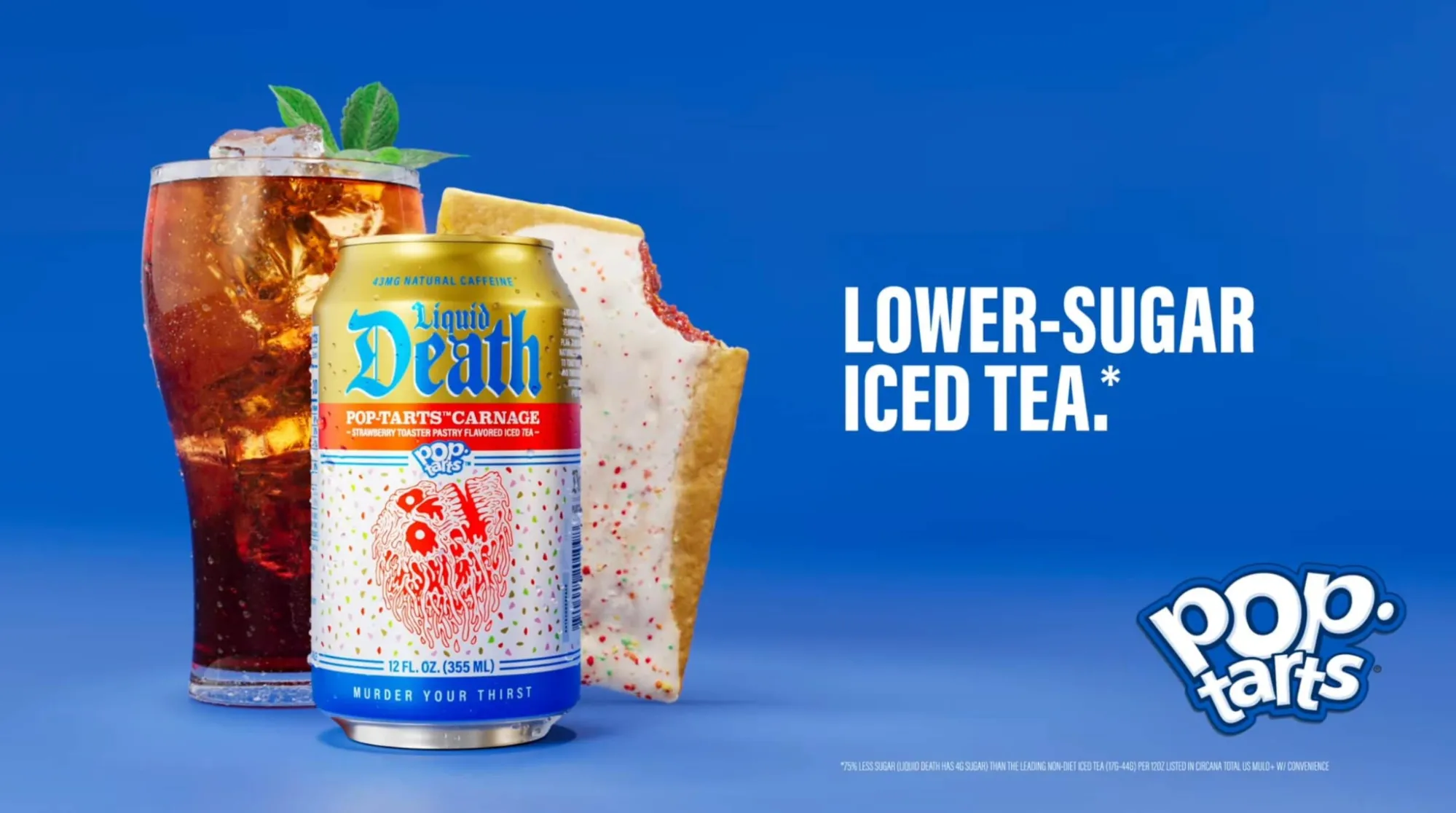
In 2026, Liquid Death partnered with Pop-Tarts to launch Pop-Tarts Carnage Iced Tea, a limited-edition black iced tea designed to taste like a Frosted Strawberry Pop-Tart. The collaboration quickly gained attention because it brought together two brands that appeared completely unrelated on the surface.
Why it worked
- Shared brand personality: Both brands are known for unconventional marketing and internet-driven humor, making the collaboration feel surprisingly natural.
- Strong nostalgia appeal: Liquid Death’s ad campaign focused on the concept of boring adult life, like filing for divorce, and how one sip of the sweet pastry- flavored tea instantly reverts you to reckless childhood joy.
- High shareability: Fans and food influencers rushed to buy 12-packs on Amazon purely to record taste-test videos, turning a bizarre product into highly shareable, organic social content
👉 Before any partnership, the Branding Statistics Guide shows how brand familiarity directly impacts consumer trust and purchases.
Example 2: Scrub Daddy × Dunkin'
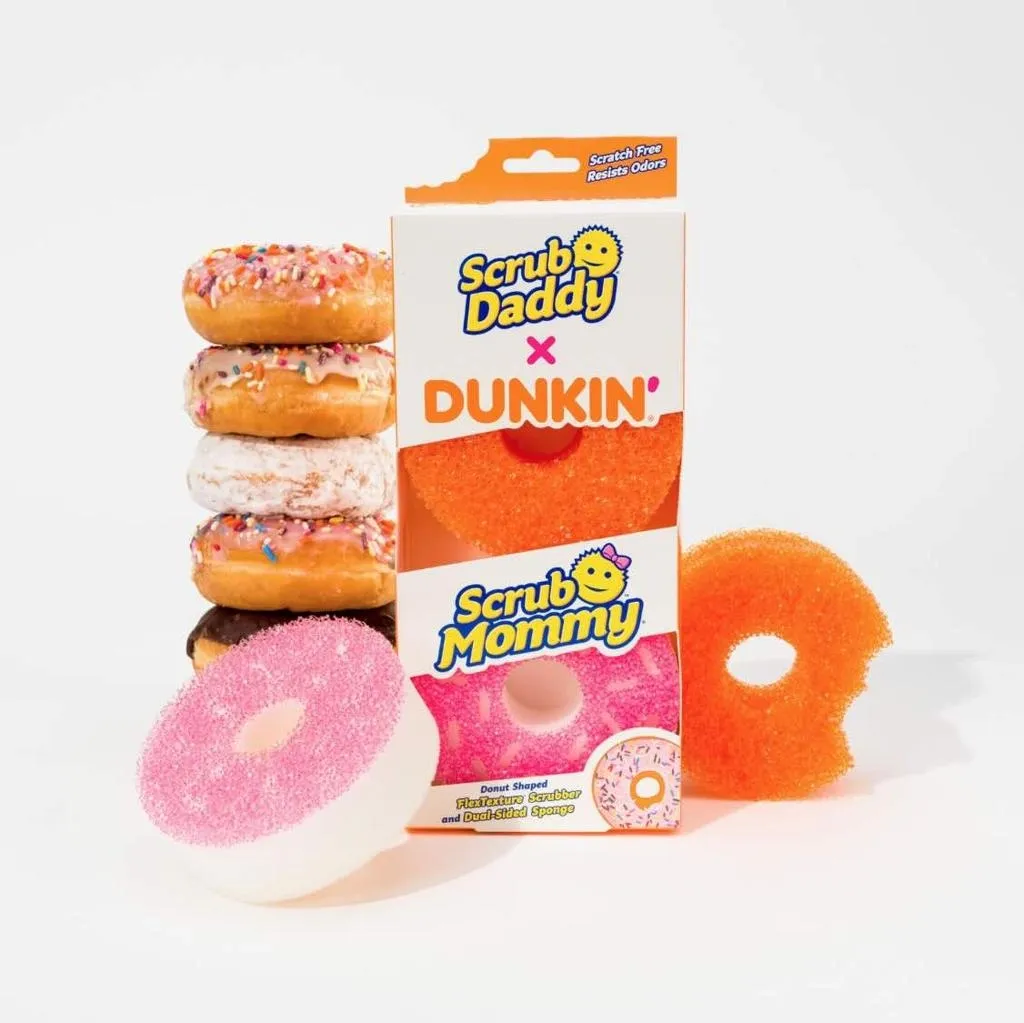
In 2024, Scrub Daddy partnered with Dunkin' to launch a limited-edition collection of donut-shaped sponges. The idea originated from playful interactions between the two brands on social media, where followers repeatedly asked them to create a product together.
The result was a sponge designed to resemble a sprinkled donut, complete with Scrub Daddy's signature smile.
Why it worked
- Community-led demand: Unlike corporate mandates, this product existed solely because social media commenters asked for it.
- Strong visual appeal: Taking a utilitarian object (a sponge) and shaping it like a beloved treat made it instantly "Instagrammable." Also, it transformed a boring chore (doing dishes) into a fun brand interaction.
- Limited availability: It was a limited online drop that sold out quickly, tapping into the "drop culture" usually reserved for sneakers or streetwear.
👉 Need help with branding strategies? Explore our brand research services and request a free consultation call with our brand experts.
Example 3: Dr. Martens × MM6 Maison Margiela
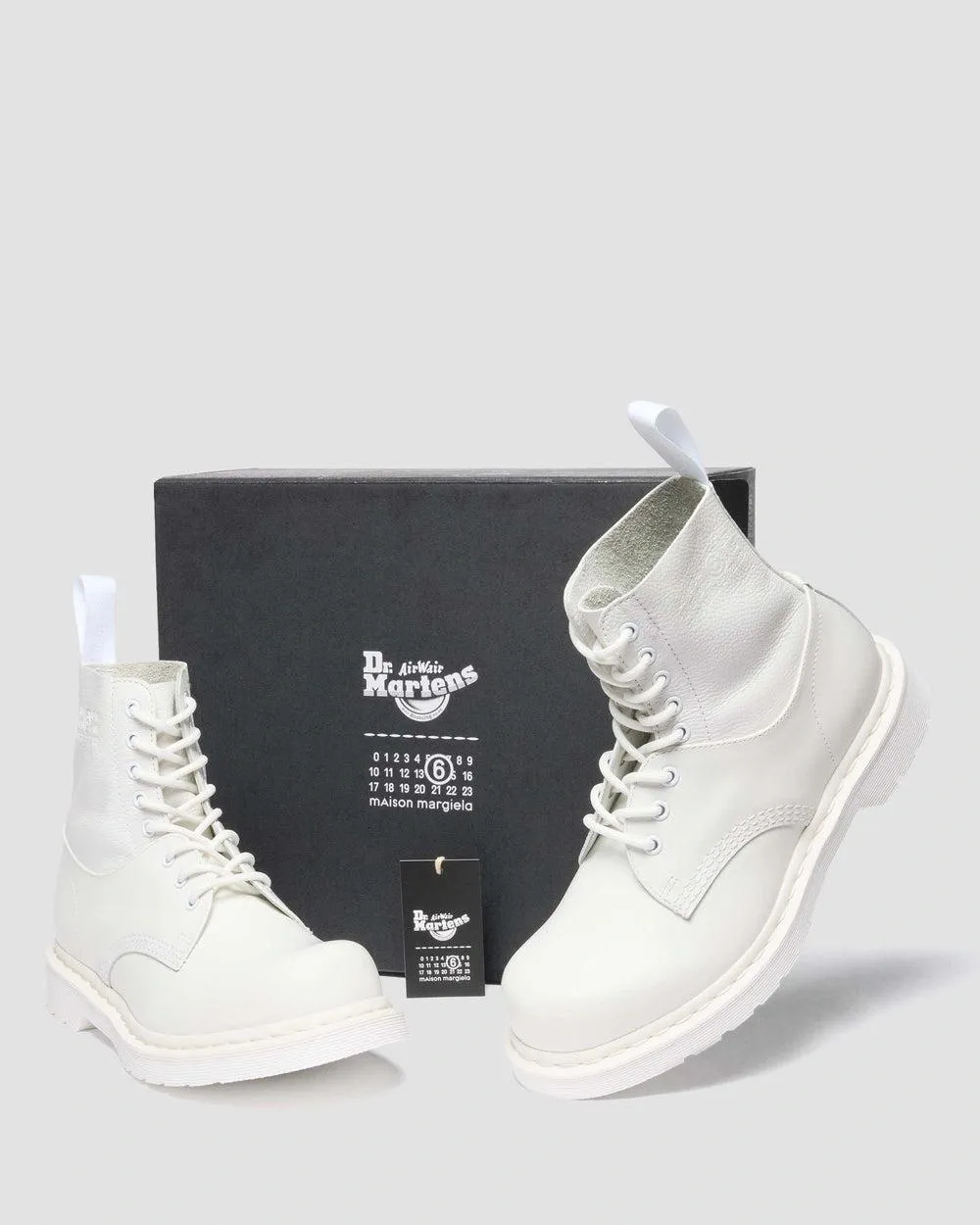
Most fashion collaborations stop at limited-edition colors or co-branded packaging. Dr. Martens and MM6 Maison Margiela took a different approach by redesigning the product itself.
The collection combined signature footwear styles from both brands, creating hybrid silhouettes that blended boots, oxfords, loafers, and derby shoes into entirely new designs.
Why it worked
- Shared creative direction: Both brands share a cultural legacy rooted in rebellion and breaking design rules. MM6 brought its signature "industrial deconstruction" ethos to Dr. Martens' rugged, everyday durability.
- A genuinely new product: The collection offered more than a visual refresh by introducing footwear designs that neither brand had previously released.
- Industry attention: Debuting the collection directly on the Milan Fashion Week runway instantly generated premium, high-tier press coverage from top-tier global style publications.
👉 A co-branded campaign only works when both identities feel like they belong together, and the Visual Branding Guide explains how that visual consistency is created.
Example 4: Heinz × Absolut
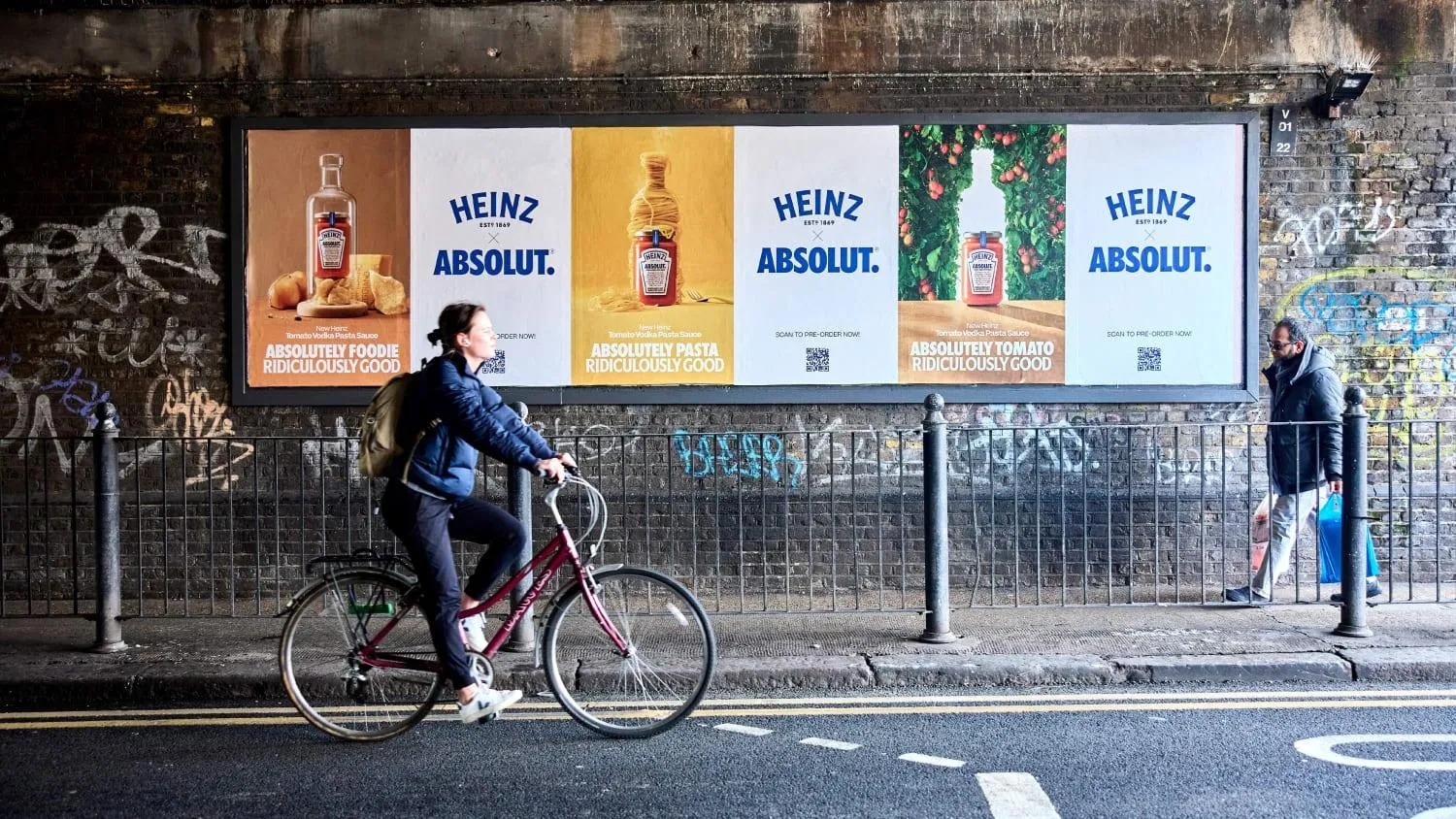
Instead of trying to invent a new food trend from scratch, Heinz and Absolut looked at what consumers were already cooking. They hijacked the massive "spicy vodka pasta" recipe trend that had gone viral across TikTok and Instagram (originally sparked by supermodel Gigi Hadid).
Heinz brought their unmatched tomato expertise, Absolut provided the necessary alcohol credibility, and together they launched a ready-made, shelf-stable Tomato Vodka Pasta Sauce jar.
Why it worked
- Built on existing demand: The brands inserted themselves directly into an established cultural movement, drastically reducing the cost of consumer education.
- Solved a practical problem: Unlike pure marketing stunts, this collaboration offered immediate convenience and utility to home cooks wanting to recreate the recipe without buying an entire bottle of vodka.
- Delivered measurable results: It wasn't just a PR stunt; the partnership drove an incredible 52% increase in sales for Heinz's overall pasta sauce category
Example 5: Le Creuset × Pokémon
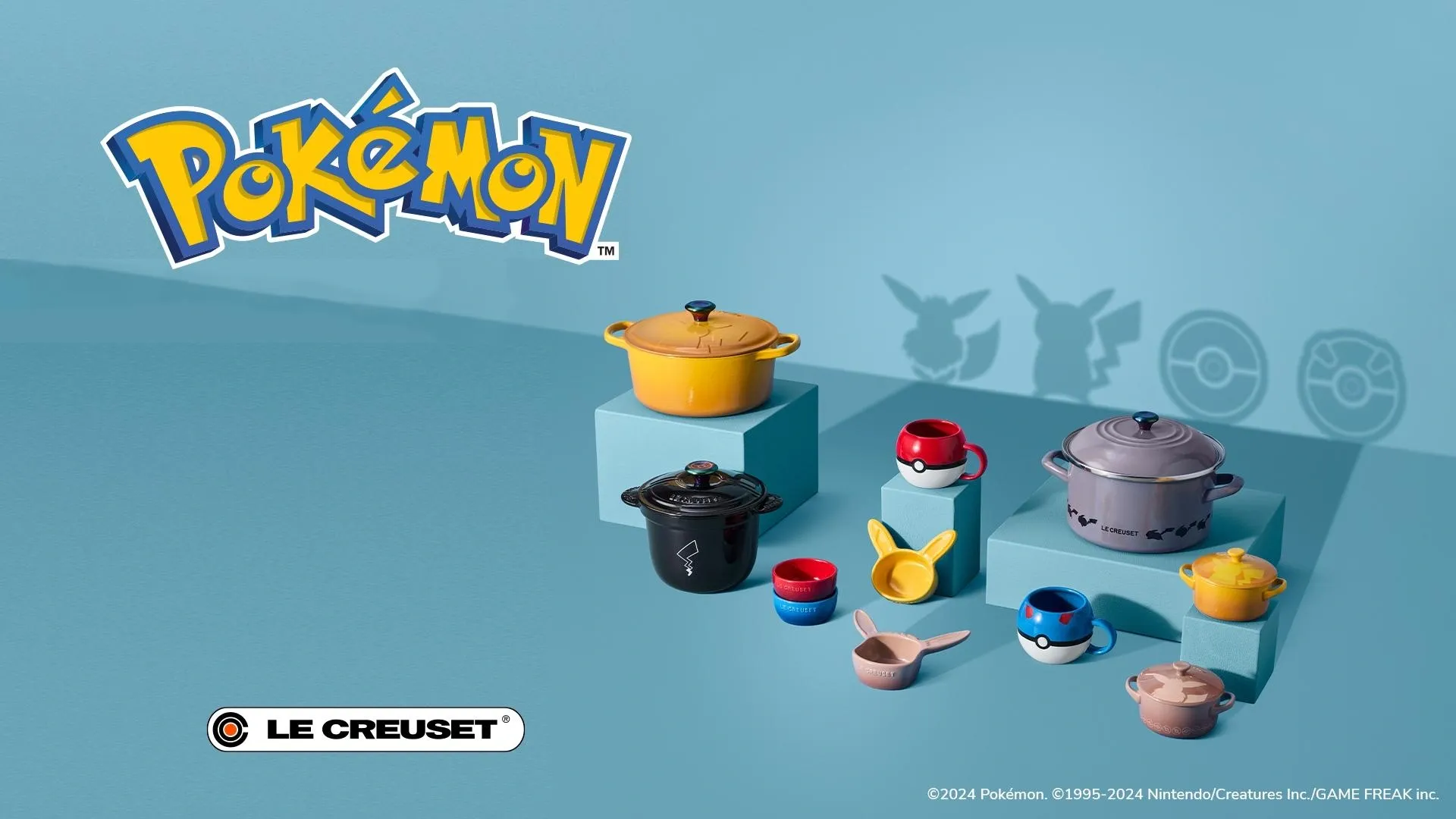
Luxury French cookware heritage brand Le Creuset teamed up with The Pokémon Company to release a highly unexpected collection of premium kitchenware. Far from cheap plastic merchandise, the capsule featured $400 cast-iron Dutch ovens styled with Pikachu tails, Poké Ball-themed ceramic nesting bowls, and enamel kettles emblazoned with iconic monster silhouettes.
Why it worked
- Capitalized on the "kidult" economy: The children who played Pokémon in the late 1990s are now adults with significant disposable income who love hosting dinner parties. This collaboration brilliantly validated their childhood passions within a high-end adult domestic space.
- Created strong collector demand: By combining Le Creuset’s legendary "buy-it-for-life" quality with a franchise known for the slogan "Gotta catch 'em all," the products instantly transformed from basic pots into highly coveted lifestyle heirlooms that sold out rapidly.
- Expanded reach across communities: The launch generated interest across home décor, cooking, and gaming audiences, expanding its reach beyond either brand's typical customer base.
Example 6: Pringles × The Caviar Co.
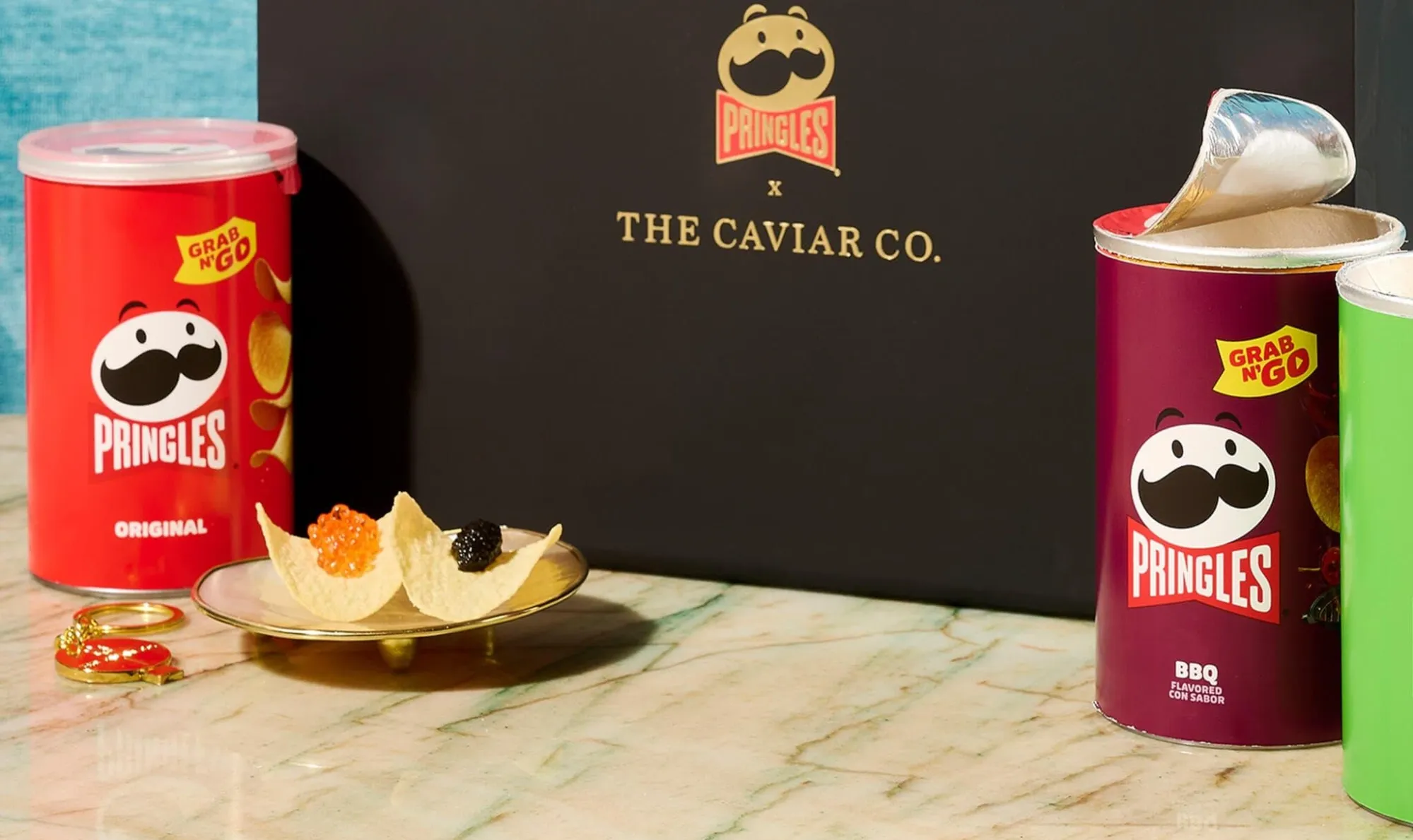
In late 2023, mass-market snack staple Pringles partnered with premium brand The Caviar Co. to introduce curated "Crisps and Caviar" flight kits. The collaboration was directly inspired by a viral scene on The Real Housewives of New York City, where a cast member paired Pringles with luxury caviar.
Instead of ignoring the organic television moment, both brands immediately capitalized on it, shipping custom-branded sets that taught consumers how to stack premium sturgeon roe on top of sour cream and onion potato chips.
Why it worked
- Tapped into a growing cultural trend: Younger consumers increasingly embrace "high-low" combinations that mix everyday products with luxury experiences.
- Created value for both brands: It challenged the traditional rules of premium positioning. The Caviar Co. gained access to a massive, youthful mass-market audience, while Pringles elevated its status from a casual gas-station snack to a talking piece at elite dinner parties.
- Generated strong social engagement: The contrast between an affordable snack and a luxury delicacy made the collaboration highly shareable and helped drive more than 2 billion impressions across social platforms.
👉 Building a cohesive co-branded identity takes planning and investment, and the Branding Package Pricing Guide breaks down what businesses typically spend on branding projects.
Example 7: Airbnb × Polly Pocket
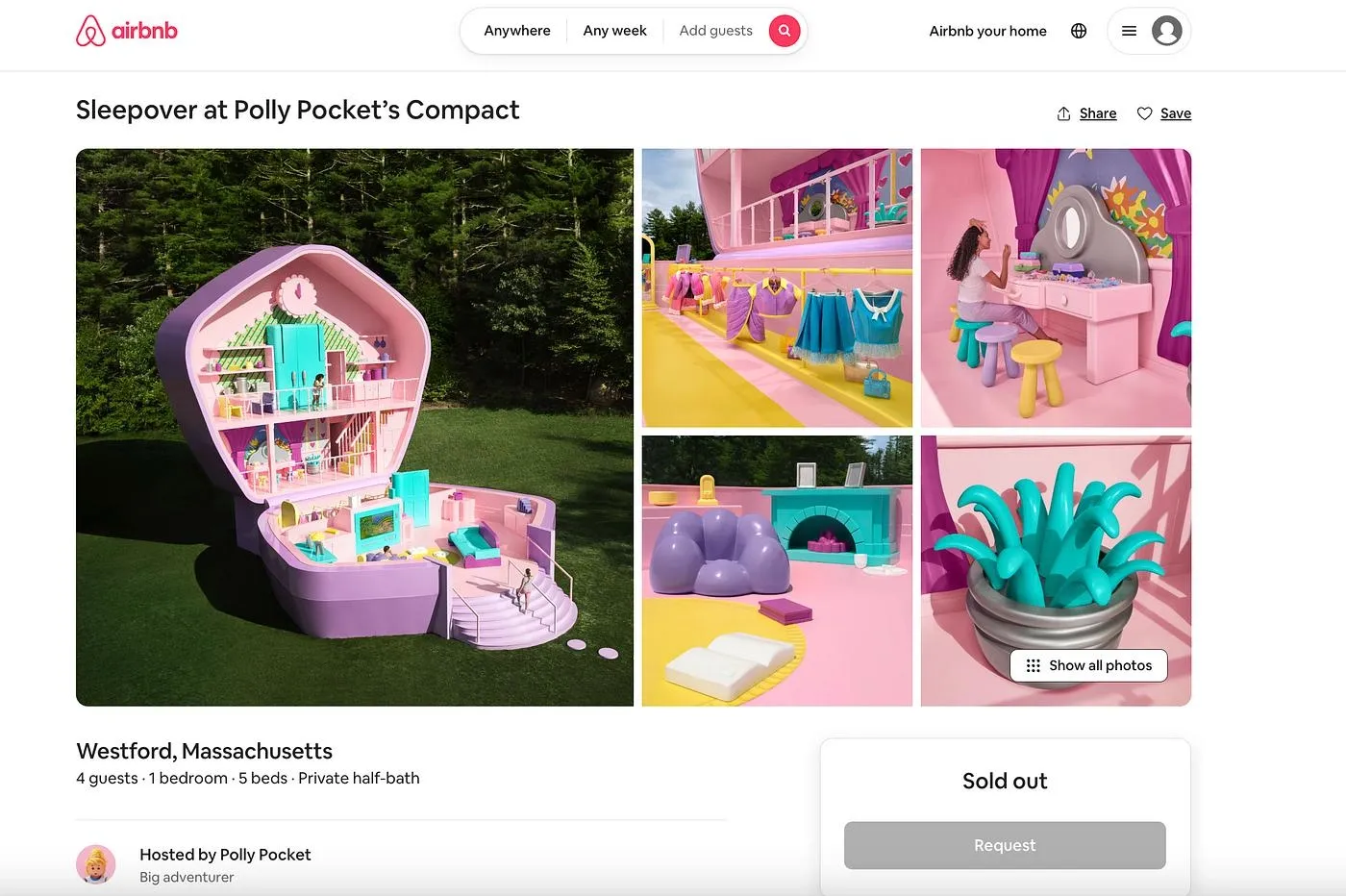
To celebrate Polly Pocket's 35th anniversary, Airbnb and Mattel transformed the iconic toy into a real-world experience. The collaboration featured a 42-foot-tall Polly Pocket compact house in Massachusetts, where selected guests could book an overnight stay for $89, a reference to the brand's 1989 debut.
Why it worked
- Turned nostalgia into an experience: Guests could step inside a life-sized version of the toy, complete with oversized interiors, retro accessories, and references to the original Polly Pocket world.
- Supported a larger business goal: The activation helped showcase Airbnb's new "Icons" category, reinforcing its position as a platform for unique experiences rather than just accommodation.
- Designed for social sharing: Because the physical structure was so visually staggering and hyper-detailed, it became a massive magnet for lifestyle, fashion, and toy collectors to create viral video tours across TikTok and Instagram.
Example 8: Heinz × Barbie
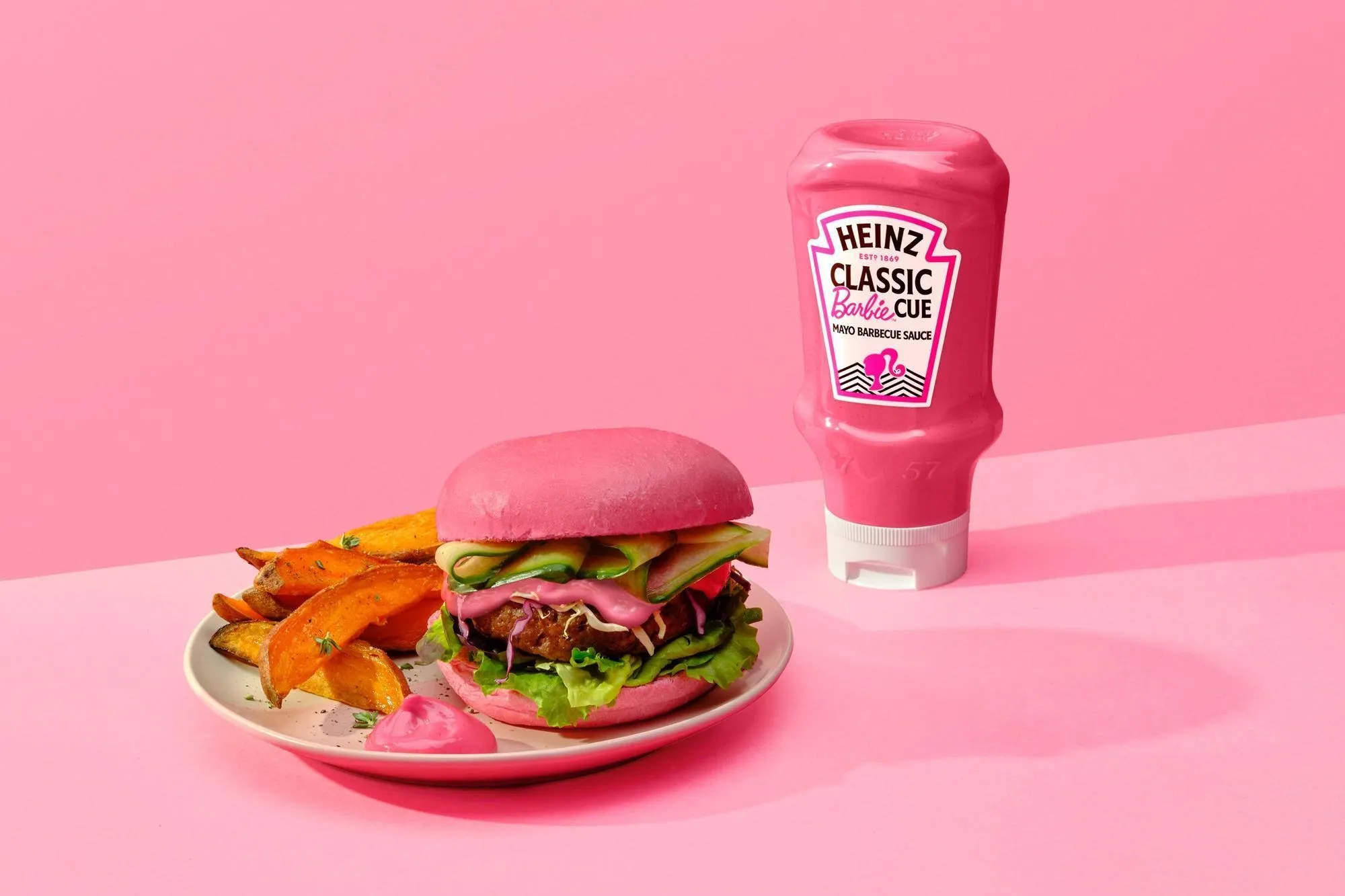
During the height of the summer "Barbiecore" trend, Heinz posted a simple, digital mock-up of a pink condiment bottle on Instagram, playfully asking fans if they should make "Barbiecue Sauce" a reality. The comment section exploded.
Treating social media as a zero-risk focus group, Heinz and Mattel formalized a deal and launched a real, physical, bright pink condiment, made by blending smoky vegan mayonnaise and BBQ sauce with natural beetroot extract.
Why it worked
- Validated demand before production: Heinz didn't spend millions manufacturing a risky concept product until they used a basic digital graphic to prove absolute consumer demand first.
- Extended a cultural moment: Most movie collaborations launch right when a film hits theaters and fade quickly. Heinz and Mattel actually released the physical bottles months later for Barbie's 65th anniversary, proving a great co-brand can outlive a single cinema release window.
- Example: Created urgency through limited availability: They dropped a hyper-limited run of just 5,000 bottles on Heinz's website before rolling it out to select retail stores, triggering immediate online buying urgency and collector hype.
👉 The brands that win cultural moments are usually the ones with flexible brand systems, and the Brand Style Guide shows how that adaptability is built.
Example 9: Stanley × Starbucks
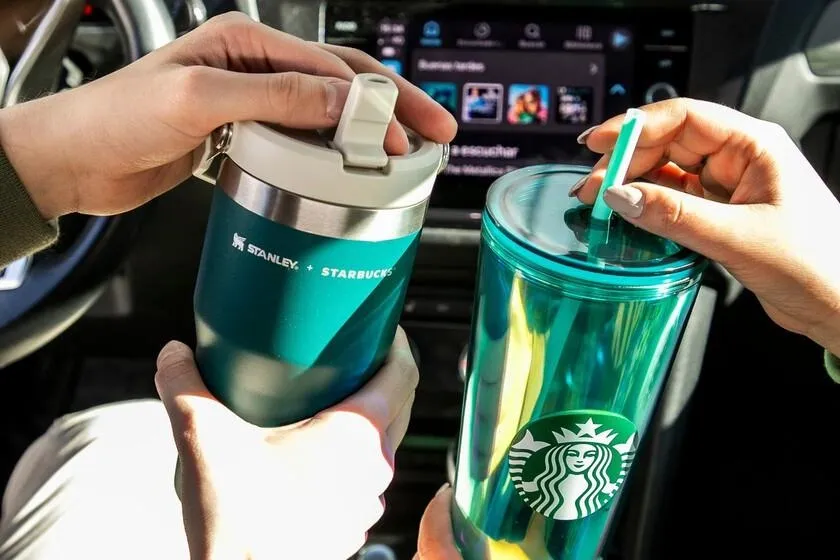
A limited-edition pink Stanley Quencher Tumbler became one of the most talked-about product launches of 2024 after Stanley and Starbucks released it exclusively through select Starbucks locations inside Target stores. Demand was so high that customers lined up before stores opened, and many locations sold out within minutes.
Why it worked
- Combined complementary strengths: Stanley provided the viral consumer hardware, but Starbucks brought the high-traffic, daily physical retail infrastructure. Placing the tumblers precisely where consumers buy their morning coffee guaranteed an instant point-of-sale buying frenzy.
- Created exclusivity: By introducing an exclusive colorway that wasn't available anywhere else, the brands successfully transformed a basic, utility beverage container into a highly coveted lifestyle status symbol and collector's asset.
- Benefited from resale-driven visibility: The extreme scarcity fueled an organic secondary wave of marketing across TikTok, where the $45 cups were instantly flipped on resale apps like eBay and StockX for upwards of $300, creating massive free media exposure.
Example 10: KFC × Hismile
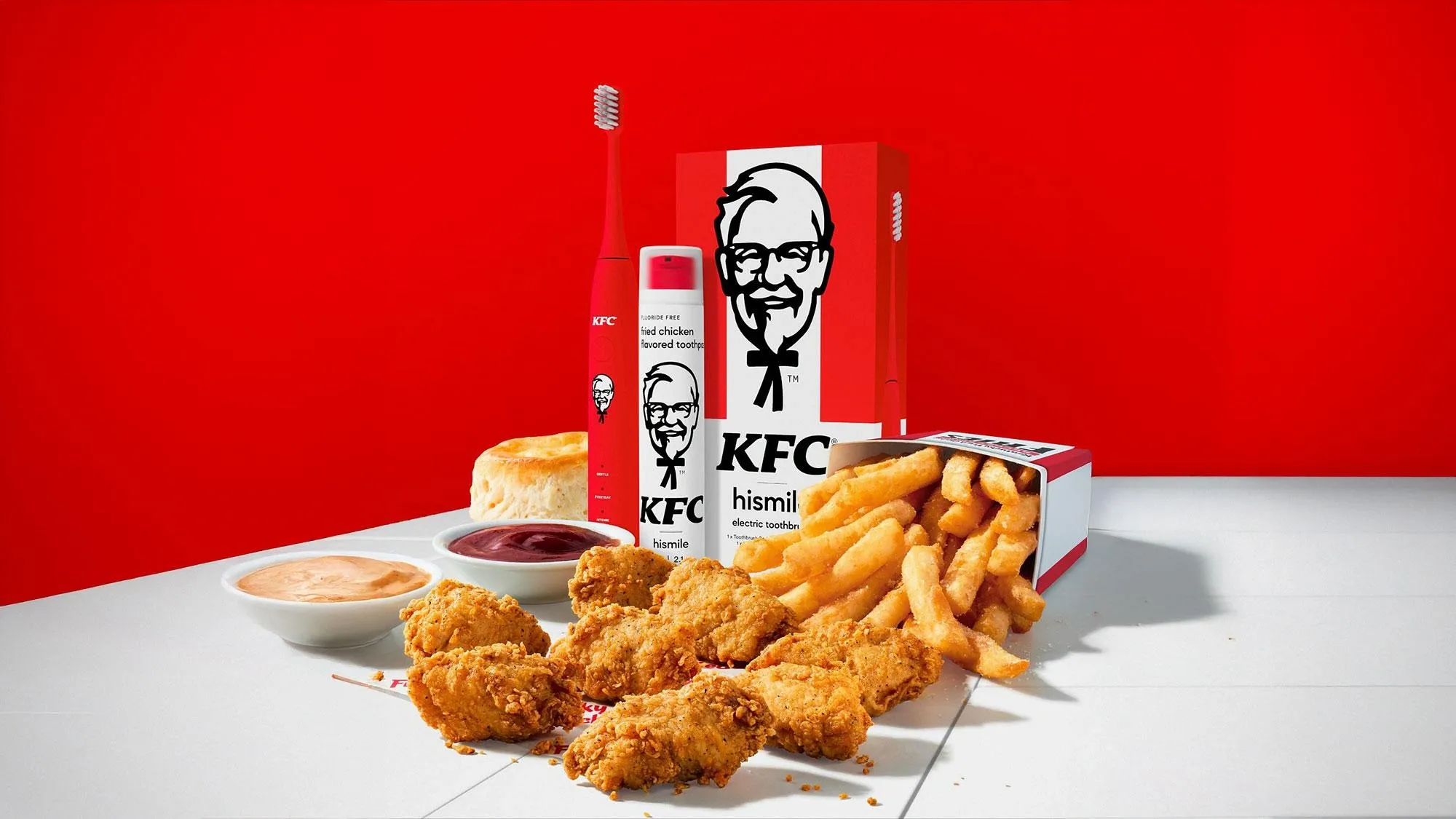
In 2024, fast-food giant KFC joined forces with viral internet oral-care brand Hismile to release a limited-edition Fried Chicken Flavoured Toothpaste. The product brought the exact flavor profile of KFC’s signature 11 secret herbs and spices straight into a morning dental hygiene routine.
Why it worked
- Blurred the line between joke and product: The collaboration was initially introduced online as an apparent April Fools' Day joke. Because the internet met it with intense skepticism, the brands generated massive organic engagement when they revealed it was a real product available for purchase.
- Challenged expectations: Brushing your teeth is a routine associated with minty freshness. Re-engineering that exact habit to taste like greasy, savory fast food triggers immediate cognitive dissonance, forcing consumers to talk about it.
- Generated organic content: Influencers, food reviewers, and ordinary shoppers rushed to purchase the tubes purely to record their raw, authentic reaction videos on TikTok and Instagram, driving millions of free impressions for both brands.
Example 11: IKEA × Sonos
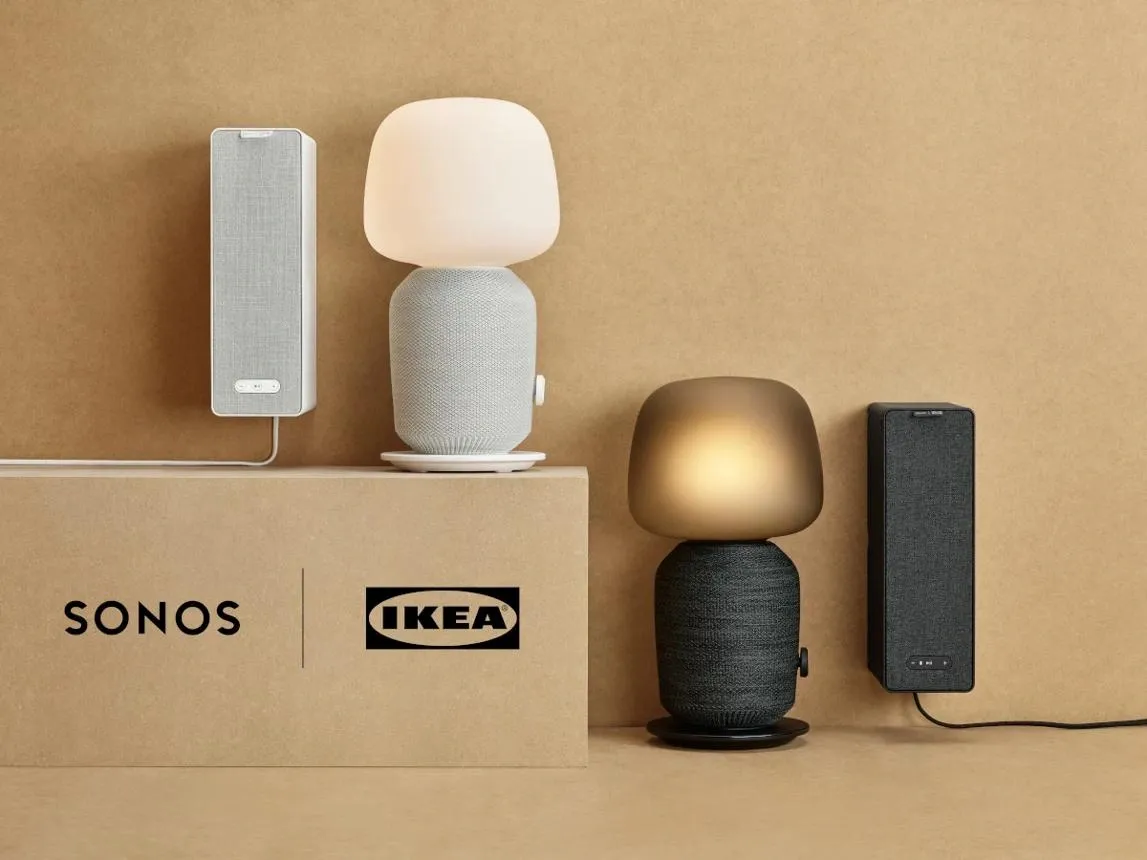
Instead of just cross-promoting their existing catalogs, Swedish furniture giant IKEA and premium smart-audio manufacturer Sonos spent years co-developing the SYMFONISK collection.
Rather than cluttering up a living room with distinct furniture and traditional boxy speakers, they designed hybrid home pieces: picture frames and table lamps that contain high-fidelity Wi-Fi smart speakers seamlessly built right into their physical structure.
Why it worked
- Complementary operational skillsets: IKEA understood home layouts, mass manufacturing, and affordable furniture design, but lacked high-end audio engineering. Sonos had world-class acoustic credibility but didn't build furniture. By merging their core geniuses, they filled each other's operational gaps perfectly.
- Solving a real consumer problem: It eliminated physical clutter and unsightly wire tangles for minimalist home decorators. It allowed consumers to fill their rooms with premium sound without sacrificing valuable surface space on tables or shelves.
- Delivered genuine utility: The hybrid furniture integrated flawlessly into the pre-existing Sonos app and ecosystem, ensuring that the technology felt like a premium electronic upgrade rather than a cheap, gimmicky furniture add-on.
👉 When two brands share the spotlight, clear usage rules matter, and 10 Key Elements Every Brand Guideline Document Must Include explains what those guidelines should cover.
Example 12: Fenty Beauty × Arcane
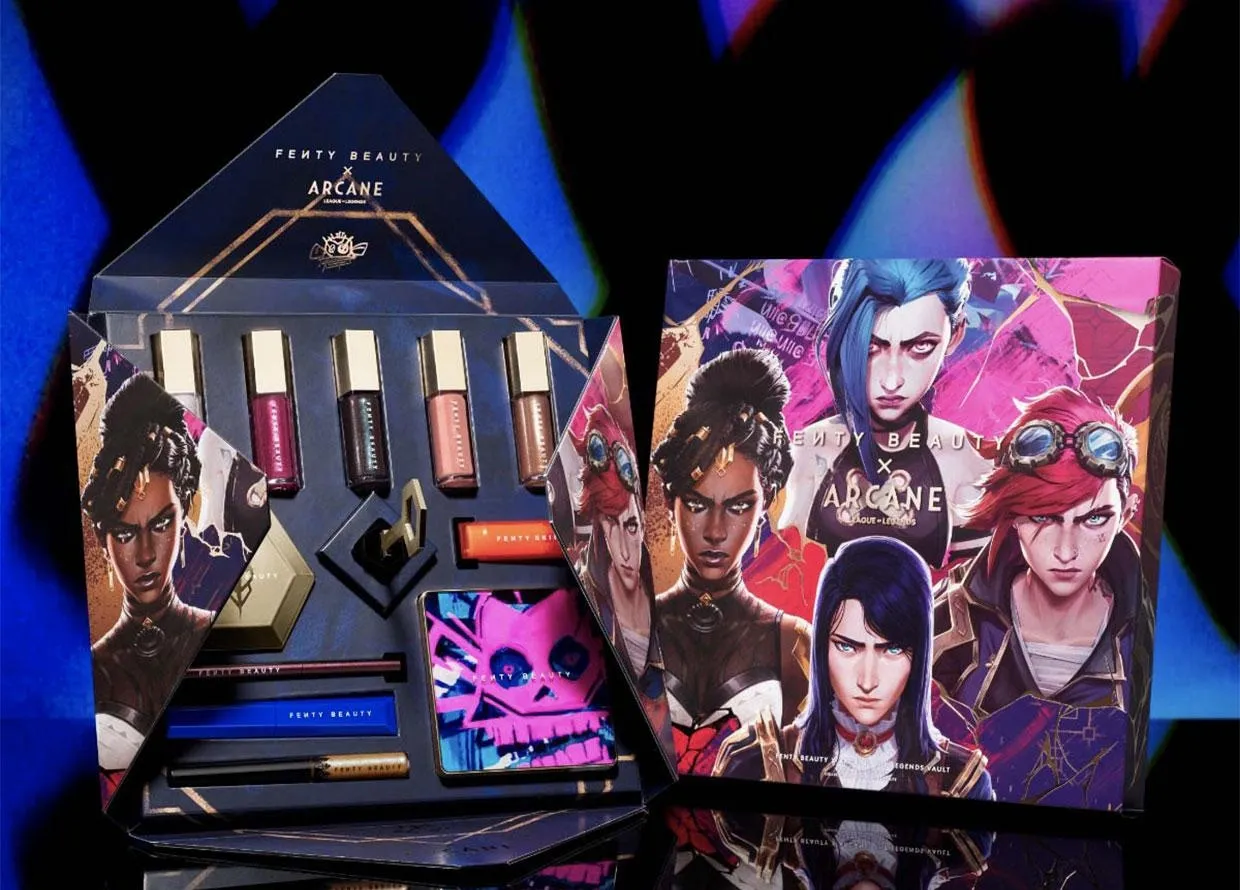
To celebrate the highly anticipated second season of Netflix’s critically acclaimed League of Legends animated series Arcane, Rihanna's Fenty Beauty partnered with Riot Games.
Instead of just releasing a basic cosmetic collection with animated characters slapped on the box, Fenty's global cosmetic chemists literally formulated physical makeup shades engineered to match the complex personalities, lore, and visual aesthetics of the show's main characters (like Jinx, Vi, and Mel).
Why it worked
- This partnership completely exploded the outdated myth that the gaming and beauty industries are separate worlds. Modern gaming communities are heavily diverse, and gaming fans love using high-end makeup as a core tool for everyday self-expression.
- Authentic, inclusive cosplay storytelling: Fenty didn't just target standard consumers; they created a premium, high-pigment product line that catered directly to the cosplay community. It respected the intricate visual artistry of the anime while maintaining Fenty’s core promise of "beauty for all."
- High-end cross-cultural PR: The product line debuted through interactive digital filters and high-profile gaming convention pop-ups. This bridged the gap between gaming streams on Twitch and luxury beauty communities on TikTok and Instagram.
👉 Partnerships like Fenty x Arcane succeed because both brands bring a strong identity to the table, and How to Design a Brand Identity shows how that foundation is built.
Let Tenet handle your next co-branding strategy and execution
Successful co-branding requires more than putting two logos on the same campaign. The strongest partnerships are built on shared audiences, complementary positioning, and a clear execution plan.
Tenet helps brands navigate this process by:
- Evaluating potential partners based on audience overlap, market positioning, and business goals
- Defining a co-branding strategy that aligns messaging, value propositions, and customer experience
- Creating co-branded identities, digital experiences, and campaign assets that feel cohesive across every touchpoint
- Supporting launch planning, activation, and performance measurement to help both brands maximize the value of the partnership
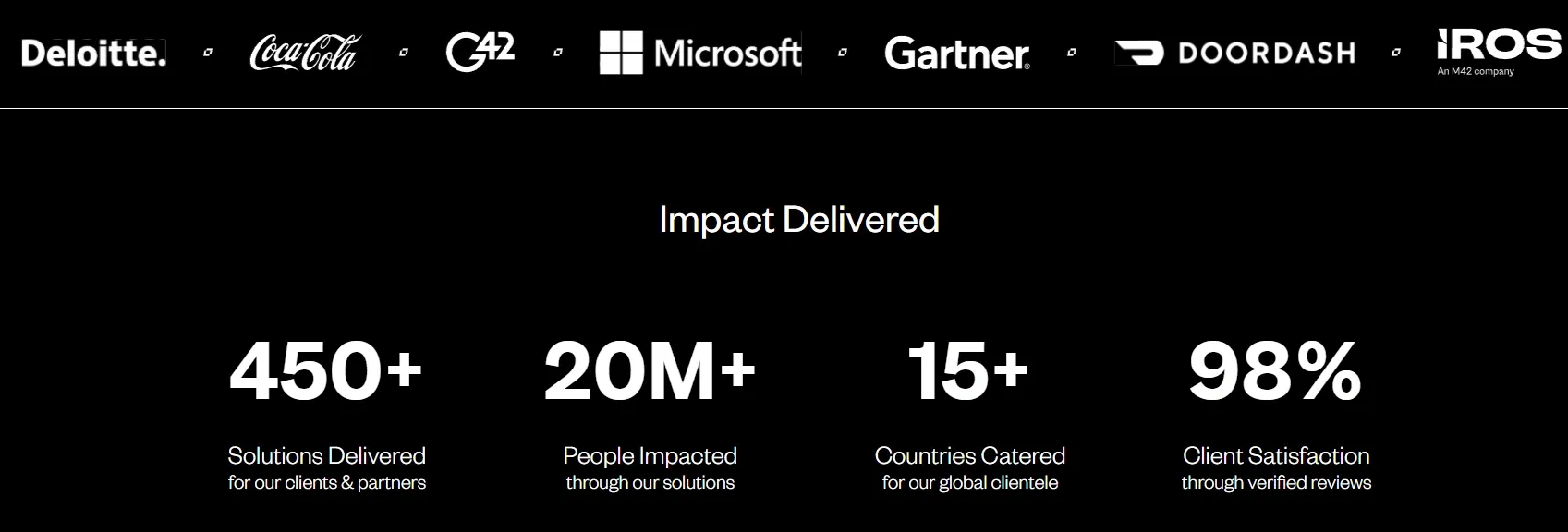
With 450+ projects delivered across more than 15 industries and work for brands such as Coca-Cola, Tenet brings experience in building and scaling brands across complex markets.
If you're exploring a co-branding opportunity, Tenet can help evaluate the partnership, define the strategy, and bring it to market effectively.
Create impactful co-branding partnerships that grow your audience and brand value.
Create impactful co-branding partnerships that grow your audience and brand value.









Got an idea on your mind?
We’d love to hear about your brand, your visions, current challenges, even if you’re not sure what your next step is.
Let’s talk


