
B2B SaaS Branding Guide with Brand Transformation Examples
 By
By Share

Share
Get a quick blog summary with



If your product disappeared overnight, would customers miss the software or the company behind it?
Many B2B SaaS companies invest heavily in building great products but pay little attention to how they're perceived. Yet when buyers compare vendors, they rarely look at features alone. They look at the company behind the product, its reputation, customer track record, and whether it feels like a business they can trust with a long-term investment.
That's why branding matters. It influences how buyers judge your company before they book a demo, speak to sales, or start a free trial. Drawing from our experience working with 300+ global clients, this guide explores why branding matters for B2B SaaS companies, what makes a successful SaaS brand identity, and real-world examples worth learning from.
Why is branding necessary for B2B brands?

1. Builds Trust Before the First Sales Conversation
Enterprise software purchases involve far more risk than consumer purchases. A poor vendor choice can result in failed implementation, security vulnerabilities, operational disruption, and significant financial losses. As a result, buyers spend considerable time validating vendors before requesting a demo or entering procurement.
Rather than asking prospects to trust marketing claims, a strong brand demonstrates credibility through multiple trust signals across the buying journey, including:
- Enterprise customer logos
- Security certifications (SOC 2, ISO 27001, GDPR)
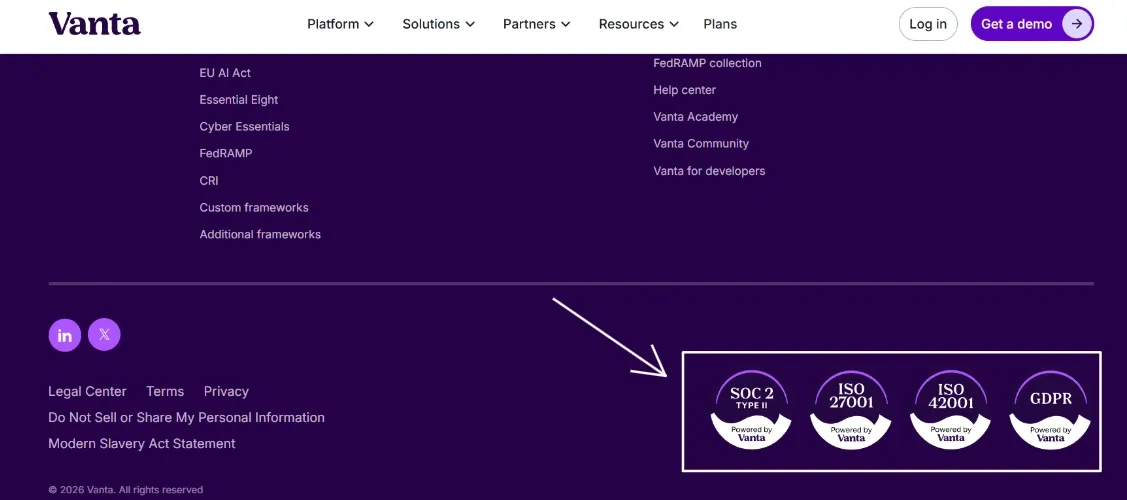
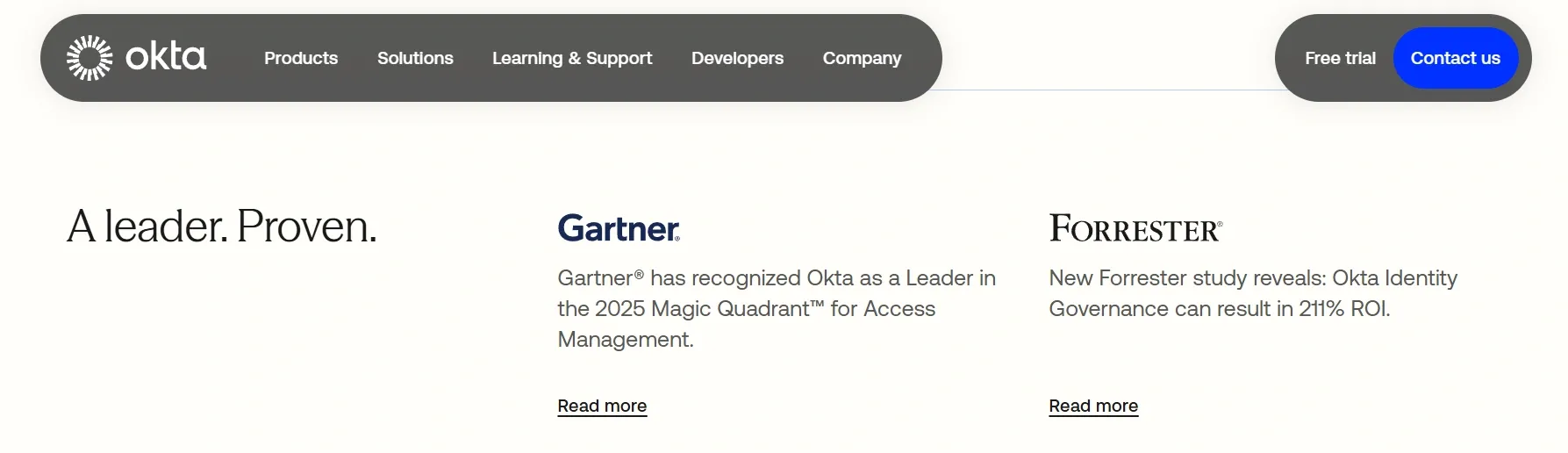
- Analyst recognition (Gartner, G2, Forrester)
- Clear implementation methodology
- Professional documentation
- Consistent design across every touchpoint
Together, these elements reduce uncertainty and make buyers more confident that the vendor can support long-term business needs.
2. Differentiates Your Product in a Crowded SaaS Market
Many SaaS categories have reached feature parity, meaning competitors often offer similar functionality, integrations, pricing models, and onboarding experiences. As a result, buyers struggle to distinguish one platform from another based on product capabilities alone.
Branding helps companies compete on something harder to replicate: the idea they occupy in a buyer's mind.
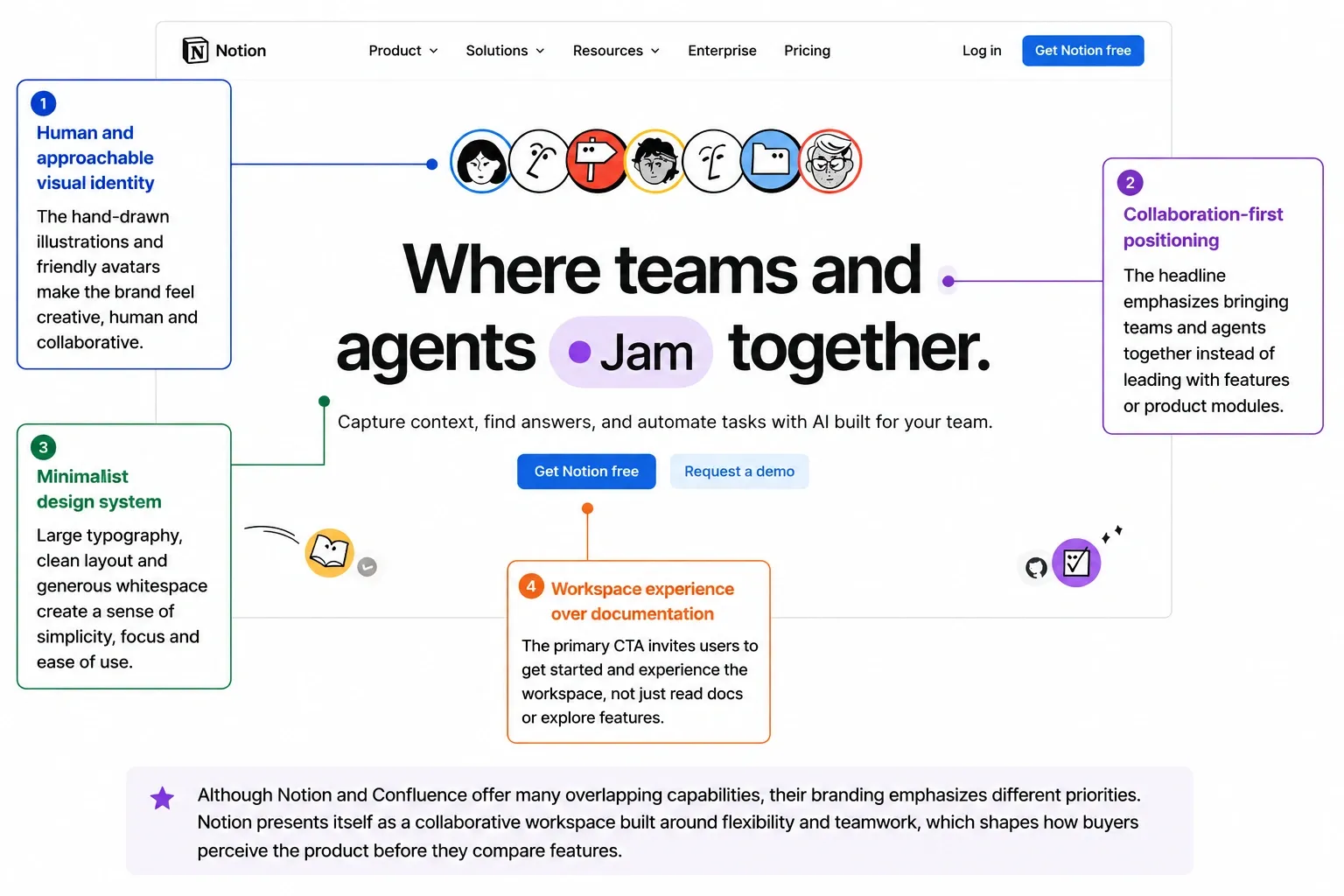
Take Notion and Confluence as an example. Both help teams create, organize, and share knowledge. Yet they are perceived very differently.
Notion positions itself as a flexible workspace where documents, projects, and collaboration live in one place, while Confluence is largely associated with structured documentation and enterprise knowledge management.
Notion landing page preview:
Confluence landing page preview:
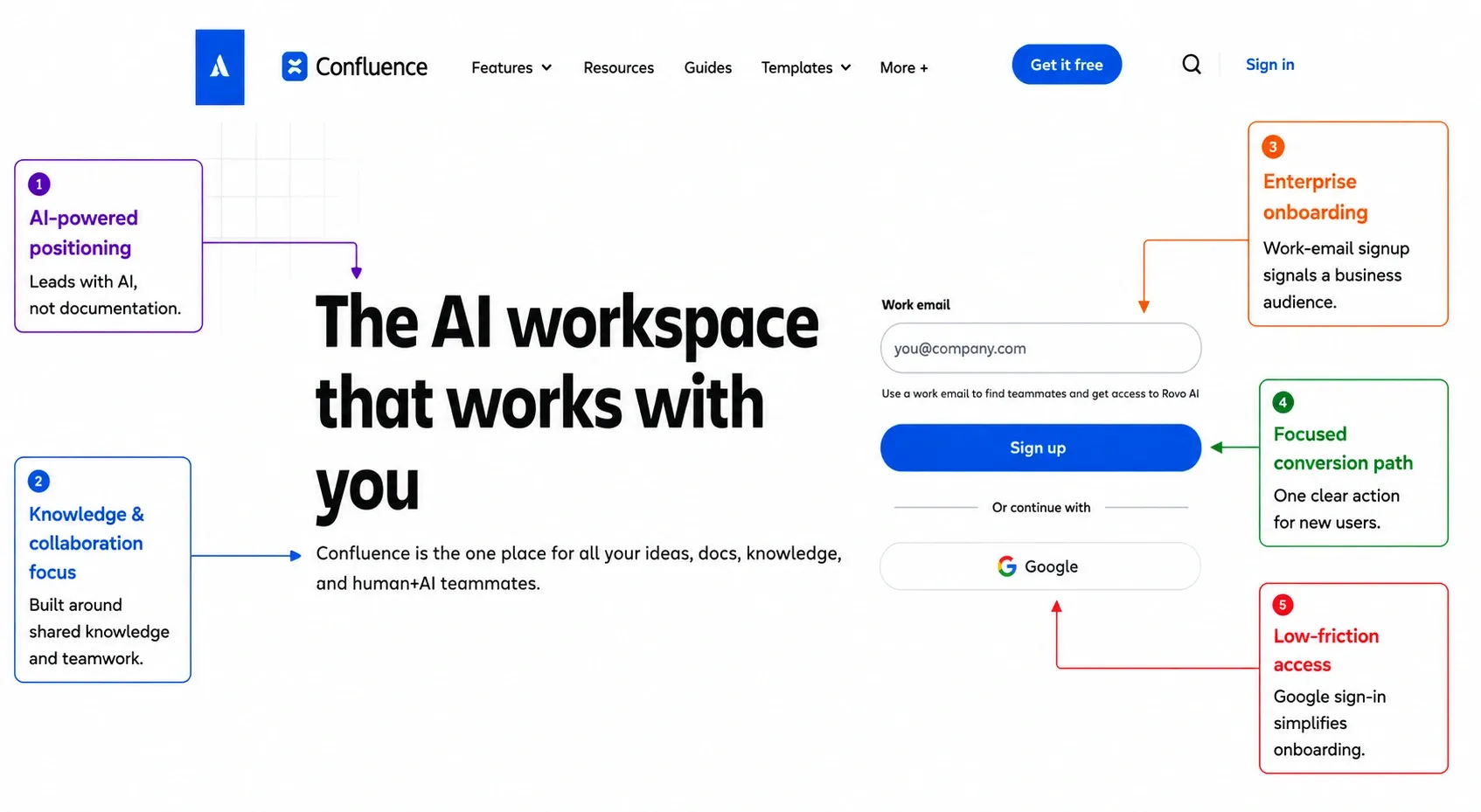
The difference isn't just in what the products do. It's reflected in the design, messaging, product experience, and overall personality of each brand.
As a result, buyers often remember Notion as a modern workspace and Confluence as a documentation platform, even though both solve many of the same problems.
This is what strong SaaS branding does. Instead of competing on a long list of features, it gives buyers a clear and memorable reason to choose one product over another.
3. Branding Supports Premium Pricing
Enterprise buyers don't automatically choose the lowest-priced solution. They often pay more for vendors that appear reliable, scalable, and easier to implement because the cost of choosing the wrong platform is significantly higher than the subscription fee.
Instead, branding shapes how buyers interpret the overall value of the company. A mature visual identity, consistent communication, polished product experience, and well-documented implementation process collectively signal that the vendor is likely to deliver a smoother rollout and lower long-term risk.
Buyers often associate premium brands with:
- Faster implementation and onboarding
- Better customer support
- Higher product reliability
- Stronger long-term partnership
- Greater confidence in future product development
4. Shortens Enterprise Buying Decisions
Enterprise software purchases involve multiple stakeholders, including IT, procurement, finance, security, and business leaders. If buyers struggle to verify your credibility, they spend more time asking questions, comparing vendors, and seeking internal approvals.
Strong branding reduces this friction by clearly communicating trust through:
5. Creates a Consistent Brand Experience
Enterprise buyers interact with dozens of touchpoints before becoming customers. They may discover your company through search, read a blog, attend a webinar, explore your website, book a demo, receive onboarding emails, and later contact customer support.
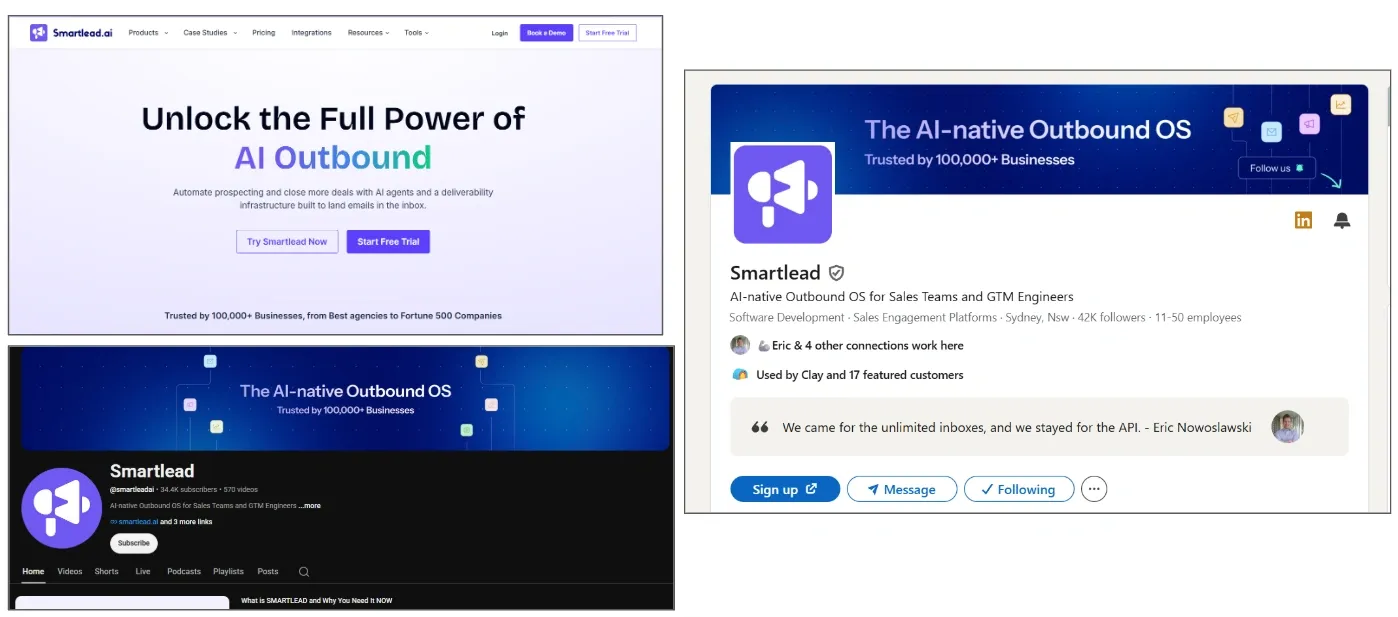
If each interaction looks or feels different, confidence in the brand weakens. Consistency across messaging, design, and communication creates a seamless experience that reinforces professionalism and reliability at every stage of the customer journey.
6. Strengthens Long-Term Brand Recognition
Most enterprise buyers don't become customers after their first interaction with a brand. They may discover your company through search, LinkedIn, industry events, referrals, or educational content, then revisit weeks or even months later when they're ready to evaluate solutions.
Long-term brand equity is built through consistent messaging, distinctive visual identity, valuable content, and positive customer experiences repeated over time. Together, these elements create familiarity, increase trust, and make buyers more likely to choose your company over an unfamiliar competitor.
What makes a B2B SaaS brand identity successful?
1. Clear Product Category Definition
A clear product category definition tells buyers what your product does and where it fits in the market within seconds. Instead of using vague or creative messaging, it positions your product in a category your audience already understands.
Why it matters
Most B2B buyers evaluate software by comparing it with similar solutions. If they can't identify your category quickly, they may compare you with the wrong competitors or struggle to understand your value proposition, making the evaluation process slower.
What to do
- Use familiar category terms instead of internal jargon or buzzwords.
- Describe your product consistently across your website, product, sales collateral, and demos.
- Explain what makes your product different only after you've established what category it belongs to.
Real-world example
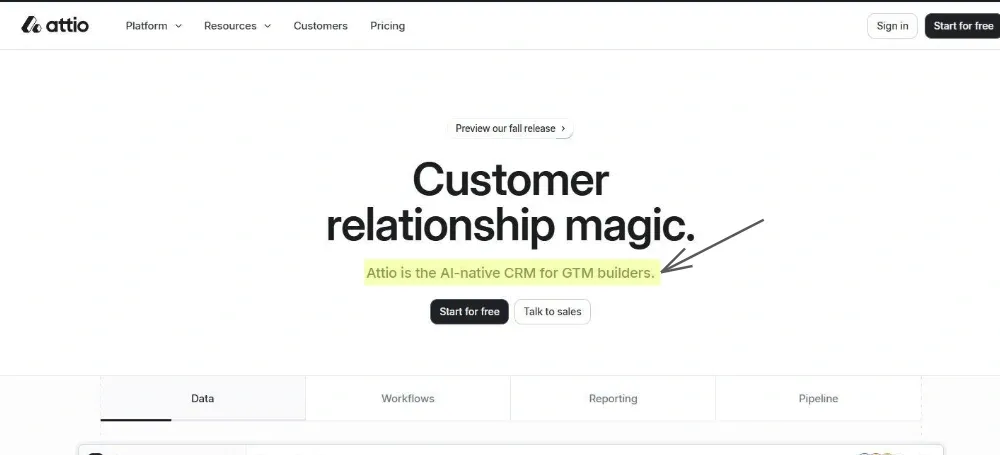
Attio introduces itself as an AI-native CRM, making its product category immediately clear before showcasing the features that differentiate it from traditional CRM platforms.
2. Consistent Messaging Across Product, Website & Sales
Consistent messaging means your website, product, sales materials, and customer conversations communicate the same value proposition. While the wording may vary, the core message, positioning, and benefits should remain aligned across every touchpoint.
Why it matters
Imagine a prospect reading about "AI-powered lead enrichment" on your homepage, then seeing the same capability called "Data Intelligence" in your pricing page and "Enrichment Engine" inside the product. They're now left wondering whether these are three separate features or one feature with three different names. Consistent messaging reduces this cognitive load and makes the product easier to evaluate.
What to do
- Create a single messaging framework that marketing, sales, customer success, and product teams can reference.
- Use the same one-line product description across your homepage, sales deck, LinkedIn page, and demo.
- Give features one official name instead of renaming them across different channels.
- Ensure the problems highlighted in marketing are the same problems sales discusses.
- Review website copy, sales collateral, onboarding emails, and product tooltips every quarter to identify messaging gaps.
- Document approved messaging in a shared brand guide so every team communicates the product consistently.
- Train new sales and customer success hires using the same messaging framework instead of separate team-specific documents.
3. Distinct Visual Identity System
A visual identity system ensures every piece of your brand looks like it belongs to the same company. Whether someone visits your website, opens your product, reads your documentation, or sees a LinkedIn post, they should notice the same design choices, from typography and icons to illustrations, UI components, and screenshots.
Why it matters
Think about companies like Slack or HubSpot. Even if you remove their logos, their websites, documentation, and product screenshots still look like they belong to the same brand. That's because they repeat the same visual elements across everything they create.
What to do
- Define fonts, colors, icons, illustrations, and screenshot styles in one brand guide.
- Use the same UI components and layouts across your website, product, and documentation.
- Create templates for blog graphics, case studies, webinars, and social posts.
- Keep charts, diagrams, and feature visuals consistent in style.
- Review new marketing assets to ensure they follow the same design standards.
- Update the brand guide whenever new design elements are introduced.
Real-world example
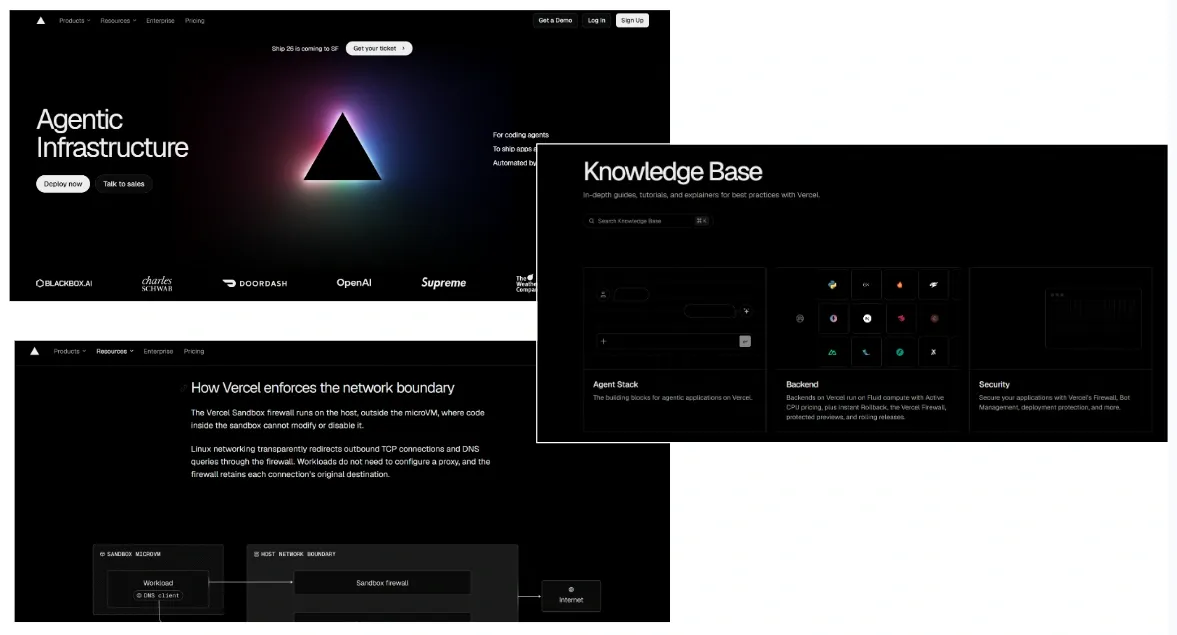
Vercel uses the same typography, monochrome color palette, interface style, and illustration approach across its website, documentation, product announcements, and developer resources.
4. Product Experience That Matches the Brand Promise
Your brand promise should be reflected in the product experience. If your brand claims to be simple, fast, or built for technical teams, users should feel that from the moment they sign up, not just read it on your website.
Why it matters
A SaaS product is used every day, so customers judge your brand through the product as much as they do through your marketing. If the experience doesn't match the promise, even the strongest branding won't hold up. For example, a product that claims to be "easy to use" but requires extensive training sends a completely different message than its marketing.
What to do
- Identify the one promise your brand makes most often and make sure new users experience it early.
- Review your onboarding flow to see whether it reinforces your core positioning.
- Remove unnecessary steps that slow users from reaching their first success.
- Use product copy, empty states, and tooltips to reinforce your brand personality.
- Regularly collect onboarding feedback to identify where the experience falls short of the promise.
- Review new features to ensure they support your brand positioning rather than dilute it.
5. High-Quality, User-Friendly Documentation
Documentation should help users understand, adopt, and troubleshoot your product without unnecessary effort. Well-organized guides, clear explanations, and practical examples make it easier for customers to find answers on their own.
Why it matters
Documentation is often where prospects evaluate your product before buying and where customers turn when they need help. If it's difficult to navigate, outdated, or incomplete, it reflects poorly on the product itself. Clear documentation reduces friction, speeds up adoption, and leaves users with a better impression of your brand.
What to do
- Organize documentation around common tasks instead of product features.
- Include step-by-step guides, screenshots, and code examples where needed.
- Add a search function that returns relevant results quickly.
- Update documentation whenever new features are released.
- Clearly mark deprecated features and outdated content.
- Link related articles so users can continue without starting a new search.
- Collect feedback on documentation pages to identify gaps and improve content over time.
Real-world example
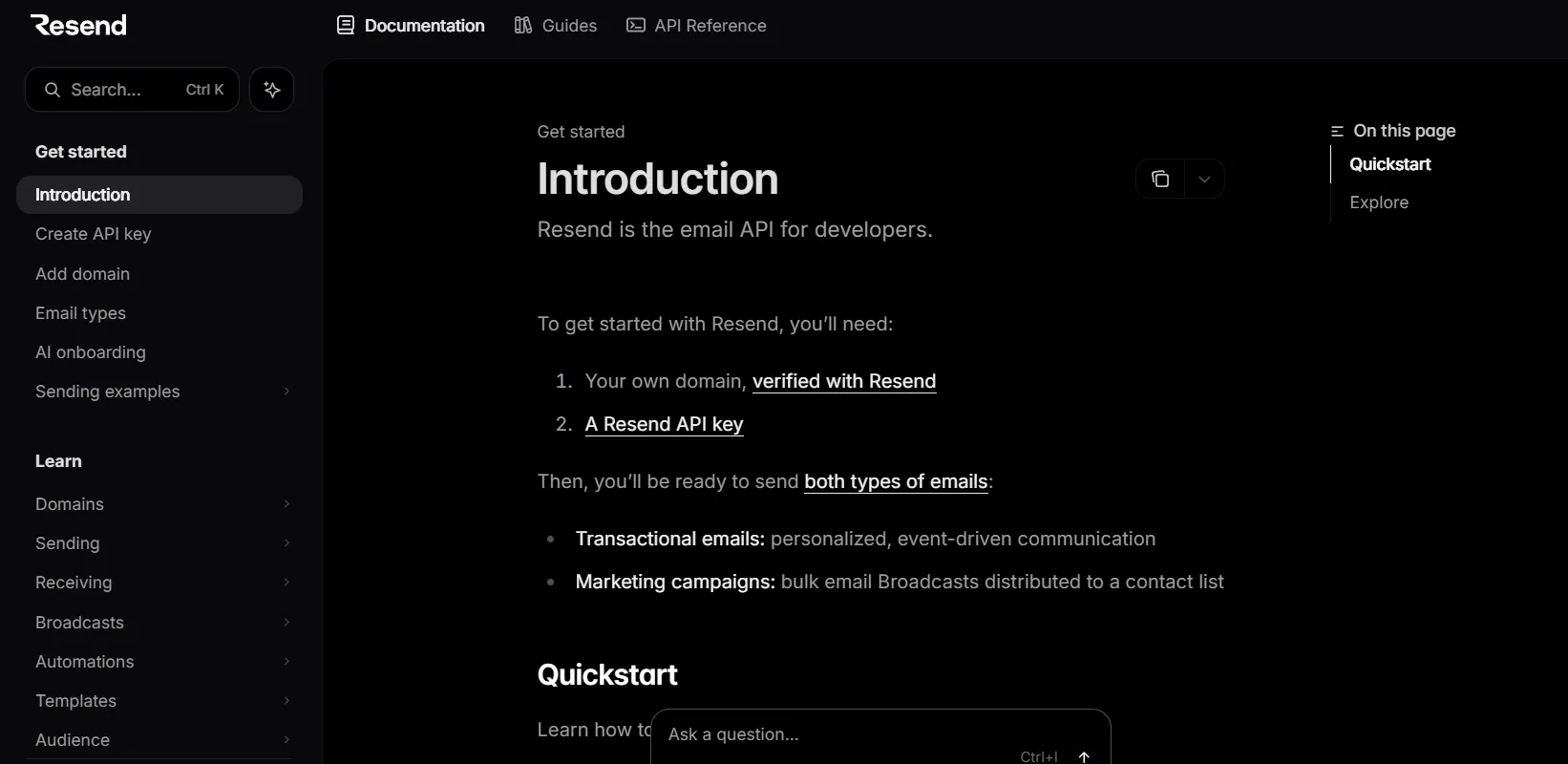
Resend's documentation is structured around what developers want to accomplish, with clear navigation, practical code examples, and concise explanations. Instead of overwhelming users with technical details, it helps them get started quickly and find answers without unnecessary searching.
6. Educational Content That Establishes Category Authority
Educational content helps buyers solve problems related to your product, even when they aren't ready to buy. Instead of focusing only on product features, it explains industry concepts, best practices, implementation strategies, and common challenges.
Why it matters
Many B2B buyers research a problem long before they start comparing software. Companies that consistently publish useful educational content become a trusted source during this learning stage. By the time buyers begin evaluating products, they're already familiar with the brand and more likely to consider it.
What to do
- Publish content that answers questions buyers ask before they're ready to purchase.
- Share implementation guides, templates, checklists, and frameworks instead of only product updates.
- Explain industry trends with practical examples rather than opinions.
- Turn customer questions into blog posts, webinars, or documentation.
- Update high-performing educational content as your industry evolves.
- Support articles with original data, research, or customer insights whenever possible.
Real-world example
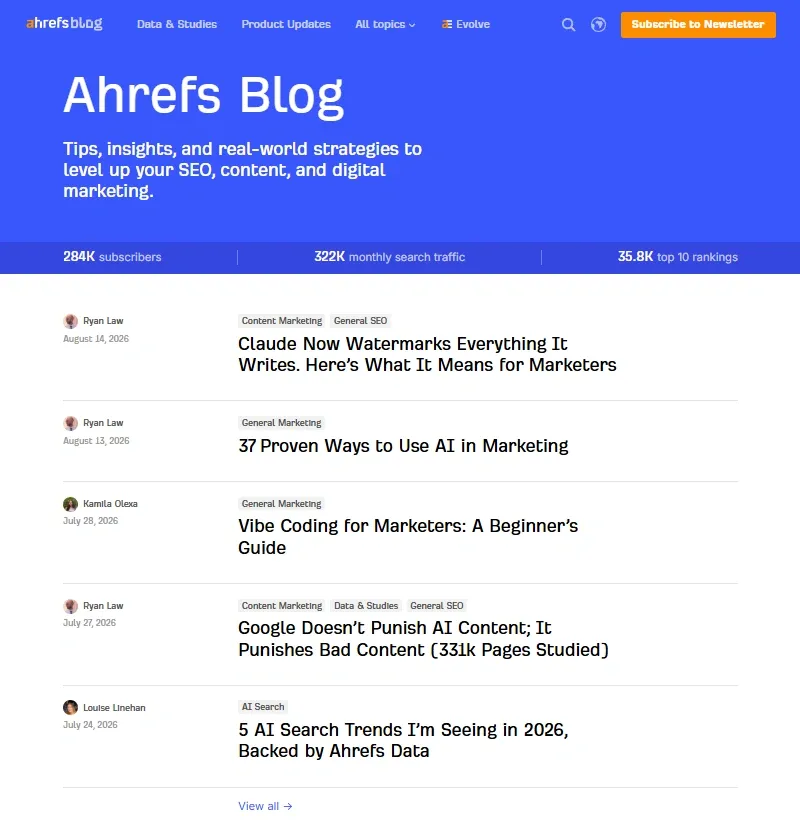
Ahrefs has built authority by publishing detailed SEO guides, tutorials, and research that marketers use regardless of whether they're customers. Many people discover the brand while learning about SEO, making Ahrefs a familiar choice when they're ready to invest in an SEO platform.
7. Consistent and Recognizable Brand Voice
Your brand voice is the way your company communicates with customers. It includes the words you choose, the level of technical detail, and the tone used across your website, product, emails, documentation, and social media.
Why it matters
Customers interact with your brand through many channels, not just your website. If your homepage sounds approachable but your product copy is overly technical, or your documentation uses a completely different tone, the experience feels disconnected. A consistent brand voice makes every interaction feel like it's coming from the same company.
What to do
- Define writing guidelines for marketing, product, support, and documentation teams.
- Use consistent terminology for features, actions, and product capabilities.
- Review product copy, emails, blog posts, and support articles regularly for tone and clarity.
- Create examples of preferred writing styles for different teams to follow.
- Avoid switching between formal and casual language without a clear reason.
- Update your brand voice guide as your product and audience evolve.
Real-world example
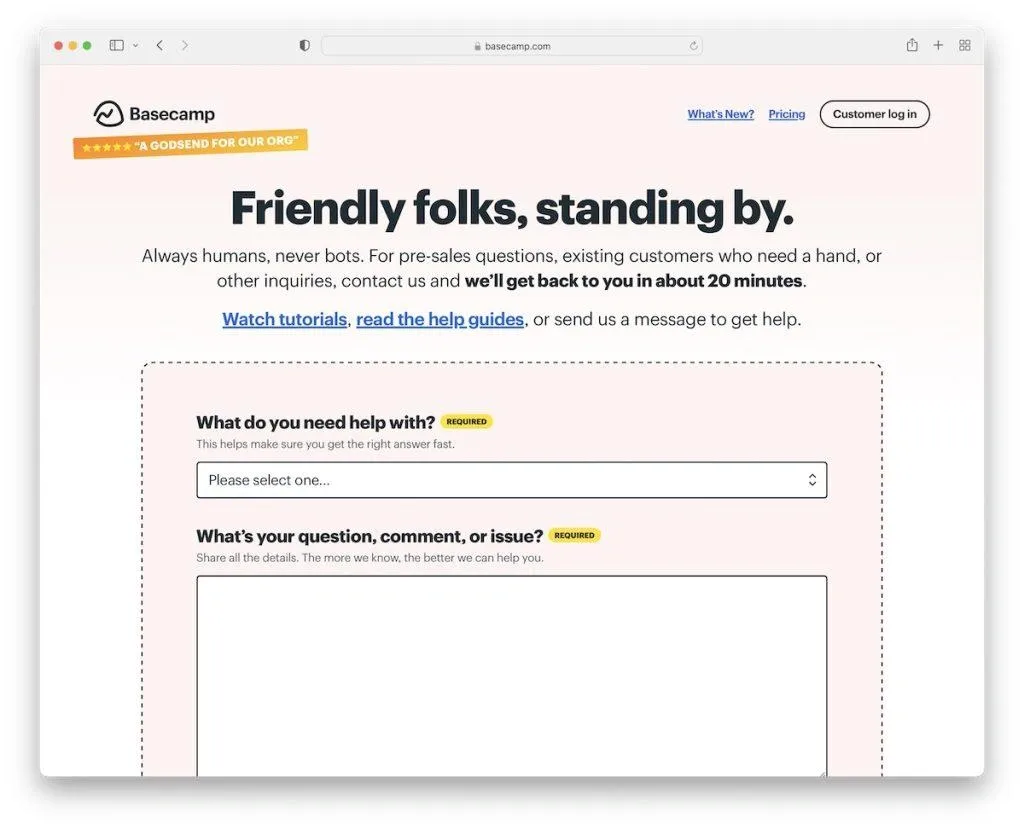
Basecamp has maintained a consistent writing style for years. Whether you're reading its website, product copy, blog posts, or support articles, the language is direct, simple, and free of unnecessary jargon.
8. Community-Led Brand Building
Community-led brand building means creating spaces where customers can learn, ask questions, share feedback, and help each other. These communities can exist on Slack, Discord, Reddit, GitHub, LinkedIn, or dedicated forums.
Why it matters
Communities create conversations that marketing can't. Prospective customers often browse community discussions to understand how a product works, how responsive the team is, and what existing users think before making a purchase. An active community also gives companies a direct channel to collect feedback and strengthen customer relationships.
What to do
- Create a dedicated space where customers can ask questions and share ideas.
- Encourage product discussions instead of using the community only for announcements.
- Involve product managers, engineers, and founders in community conversations.
- Share product updates, roadmap discussions, and release notes openly.
- Recognize active members who consistently help others.
- Turn common questions and feature requests into product improvements and educational content.
Real-world example
PostHog has built an active open-source community where users report issues, request features, and discuss product improvements through GitHub and its community channels.
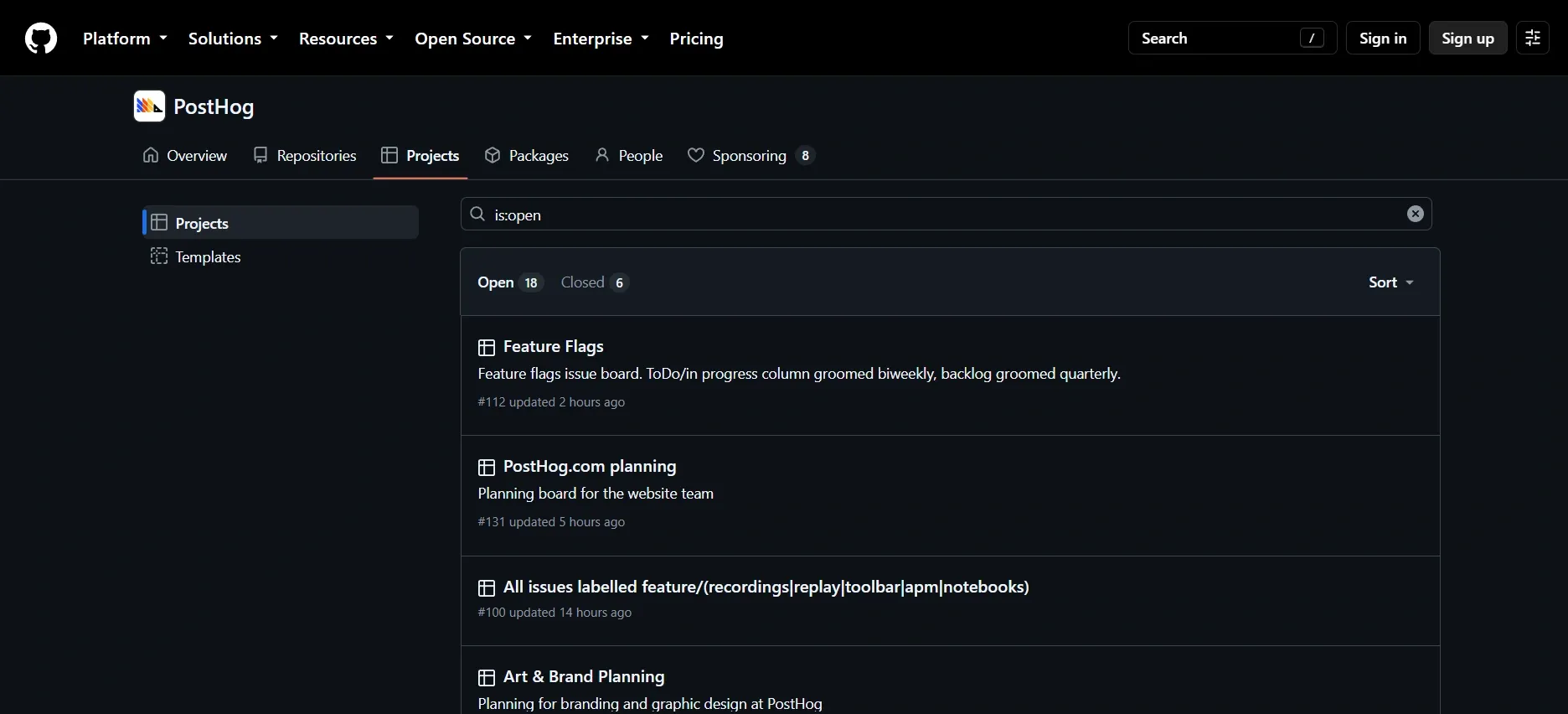
This ongoing collaboration helps improve the product while strengthening trust and engagement with the brand.
Here are some guides for future reference:
B2B SaaS branding examples with real case studies
These branding case studies show how Tenet turns complex B2B SaaS offerings into clear, distinctive, and credible brands.
👉 Need help in branding for your SaaS? Learn more about how we work in Brand Strategy Services
1. Orallia (AI Cybersecurity Platform)
Challenge
Orallia wanted to differentiate itself in the crowded cybersecurity market where most competitors relied on fear-based messaging, dark visuals, and technical jargon. The company needed a brand identity that reflected its AI-powered, proactive security platform while building confidence among enterprise buyers.
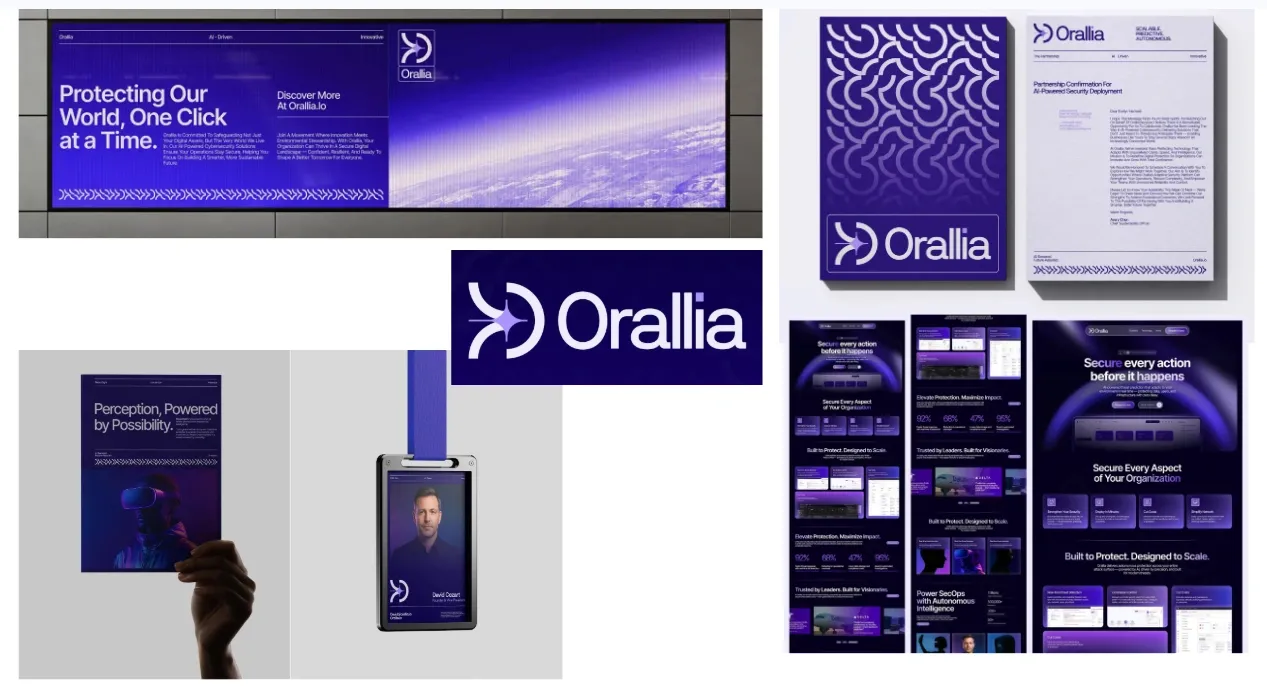
Cybersecurity platforms often rely on fear-driven messaging and complex technical visuals, making it difficult for buyers to distinguish one solution from another. Orallia needed a brand identity that communicated enterprise-grade security while remaining approachable to decision-makers evaluating multiple vendors.
What Tenet Did
- Defined a brand strategy centered on confidence instead of fear, aligning with Orallia's proactive cybersecurity approach.
- Designed a geometric logo system that became the foundation for the entire visual identity.
- Developed a futuristic purple and blue color palette to distinguish the brand from traditional cybersecurity competitors.
- Created a comprehensive brand system covering typography, website, marketing collateral, presentations, social assets, and environmental branding.
- Built a modular visual language that simplified complex AI security concepts across every customer touchpoint.
Business Impact
- Positioned Orallia as a modern AI cybersecurity company instead of another conventional security vendor.
- Improved brand consistency across digital and offline customer touchpoints through a unified design system.
- Created a scalable identity capable of supporting future products, campaigns, and enterprise marketing initiatives.
- Enabled the brand to communicate intelligent protection without relying on fear-driven messaging.
2. VRALIS (Digital Solutions Platform)
Challenge
VRALIS required a professional identity that could communicate digital transformation expertise while remaining adaptable across websites, presentations, digital products, and enterprise communications. The existing positioning lacked a cohesive visual system.
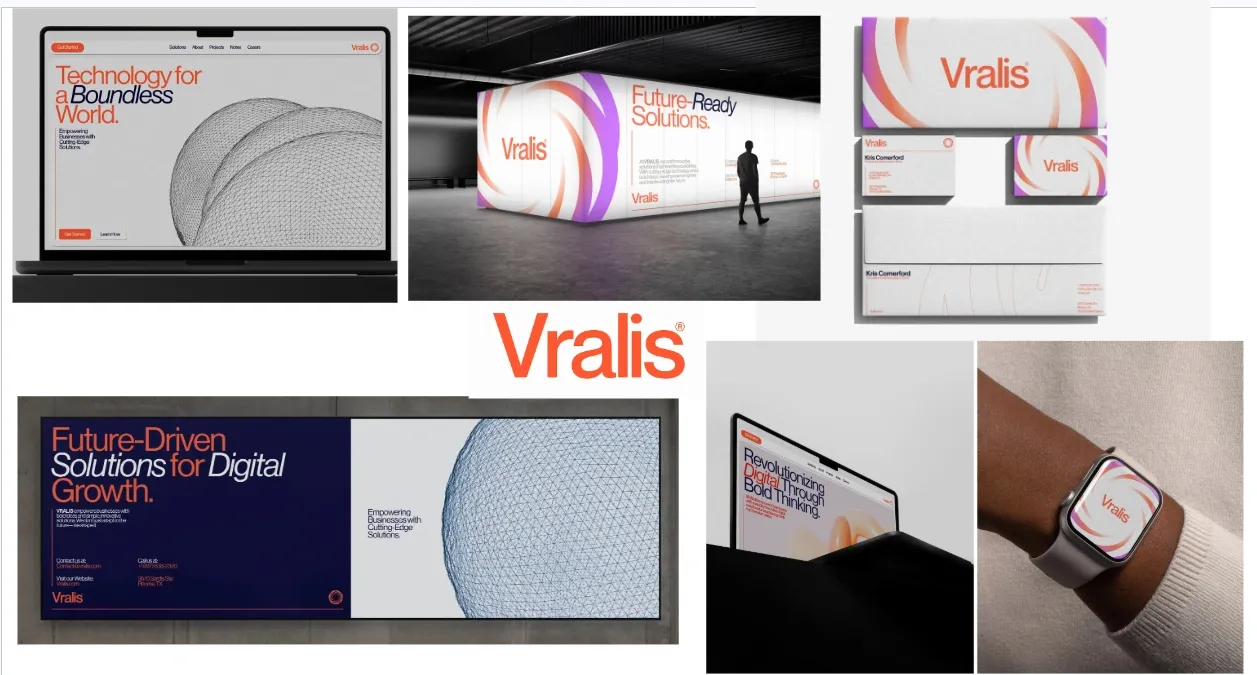
As a digital solutions platform, VRALIS needed an identity that could appeal to enterprise clients while remaining flexible across product interfaces, presentations, websites, and marketing assets. The brand needed to communicate transformation without relying on generic technology imagery.
What Tenet Did
- Created a minimalist identity system that positioned VRALIS as an established technology partner instead of an early-stage software startup.
- Designed a flexible visual language capable of scaling across digital products, websites, investor presentations, and enterprise sales assets.
- Established consistent typography, spacing, and layout principles to improve brand recognition across every customer touchpoint.
- Focused on clarity over decoration, ensuring every visual element reinforced the platform's enterprise positioning.
- Developed supporting brand assets that maintained consistency regardless of whether the customer interacted with marketing materials or digital experiences.
Business Impact
- Established a consistent enterprise-ready identity across customer-facing channels.
- Strengthened the company's positioning as a trusted digital transformation partner.
- Provided a scalable visual foundation that can support future marketing and product expansion.
- Improved consistency between the company's brand communications and digital experiences.
3. Kubicond (AI Construction Platform)
Challenge
Kubicond operates in ConstructionTech, where many AI platforms use futuristic visuals that often fail to communicate practical business value. The challenge was to create a brand identity that balanced innovation with reliability for enterprise construction clients.
Here is an image showcasing Kubicond’s complete visual identity, from web design to physical corporate assets:
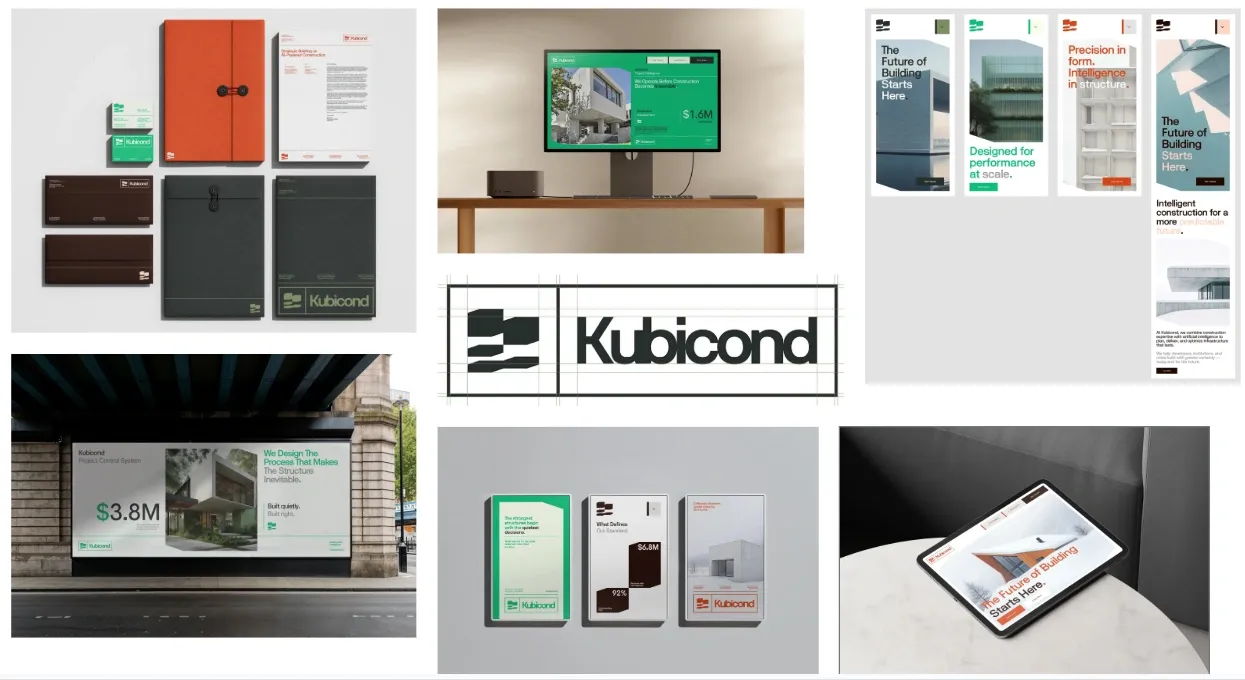
Kubicond needed to position itself as an innovative AI platform for the construction industry without relying on generic technology branding or futuristic AI visuals. The identity had to resonate with enterprise construction stakeholders while reflecting precision and reliability.
What They Did
- Built the brand identity around architectural geometry and structural precision to visually connect the platform with the construction industry.
- Avoided generic AI-inspired gradients and futuristic illustrations, choosing a more grounded design language aligned with enterprise construction buyers.
- Developed a visual system that balanced technological innovation with reliability, helping the platform appear credible for large infrastructure projects.
- Created a cohesive identity across the logo, typography, colors, and supporting graphics to ensure consistency throughout the customer journey.
- Designed branding assets that reflected engineering accuracy and project planning, reinforcing Kubicond's positioning as a professional ConstructionTech platform.
Business Impact
- Created a distinctive position within the ConstructionTech category.
- Improved visual differentiation from generic AI software brands.
- Delivered a scalable identity that supports long-term brand consistency.
- Strengthened alignment between the platform's visual identity and its target industry.
Plan your SaaS branding with Tenet’s experts
Building a successful SaaS brand takes more than a great product. It requires a clear strategy that aligns your positioning, messaging, visual identity, and user experience to create a brand that customers recognize and trust.
At Tenet, we help B2B SaaS companies build brands that are designed for long-term growth. Our approach includes:
- Conducting market research, competitor analysis, and UX audits to understand your audience and identify opportunities to differentiate your brand.
- Translating complex product capabilities into clear messaging that communicates business value instead of technical jargon.
- Creating scalable design systems with consistent typography, color palettes, and UI components across every customer touchpoint.
- Designing high-converting websites and landing pages with intuitive user experiences and clear calls-to-action.
- Maintaining brand consistency across your website, product interface, marketing campaigns, and other digital channels as your business grows.
Whether you're launching a new SaaS product or repositioning an existing one, our experts can help you build a brand that stands out in a competitive market and earns long-term customer trust.
👉 Explore our SaaS Development Services and get a free proposal.
Build a B2B SaaS brand that stands out. Talk to our branding experts today.
Build a B2B SaaS brand that stands out. Talk to our branding experts today.








Got an idea on your mind?
We’d love to hear about your brand, your visions, current challenges, even if you’re not sure what your next step is.
Let’s talk


