
What Makes a Great D2C Website Design (with 9 Examples)
 By
By Share

Share
Get a quick blog summary with



Why do so many D2C brands invest heavily in advertising and customer acquisition, only to send that traffic to a website that makes shopping more difficult than it needs to be?
Brands often focus on product development and marketing performance while overlooking the role website design plays in the buying process.
When customers struggle to find shipping information, compare products, understand pricing, or complete a purchase, many leave before reaching checkout.
Through its work with brands such as Coca-Cola, Pizza Hut, and MyBabyBabbles, Tenet has observed that the most effective ecommerce websites share a common trait: they make it easy for customers to find what they need and complete a purchase.
In this article, we break down the design principles behind that experience and explain how you can apply them to your own online store.
How does website design affect D2C sales?
1. Brand positioning and messaging
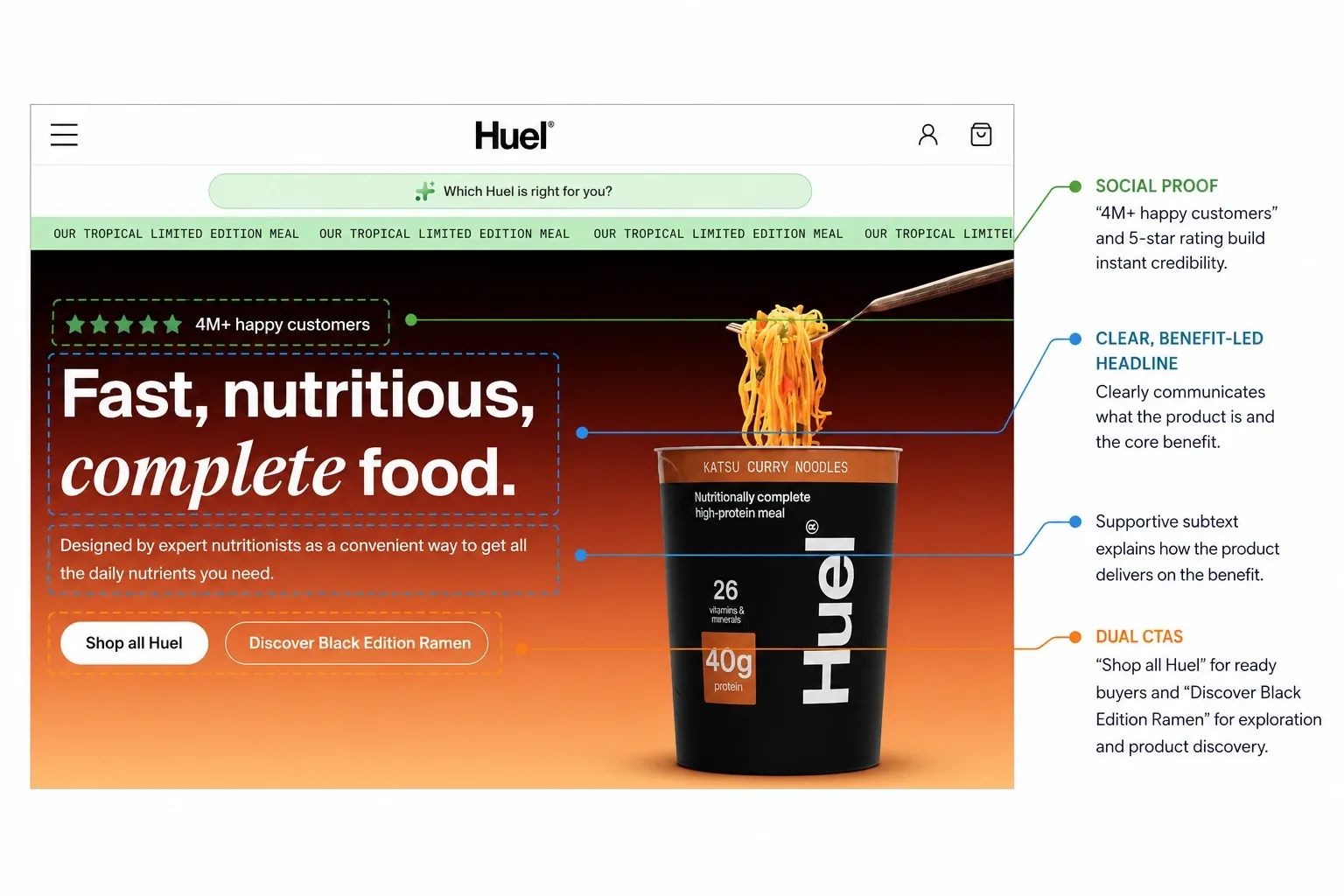
Huel’s hero section clearly explains what the product is through a clear, benefit-led headline instead of a vague tagline. Just above it, "4M+ happy customers" and a 5-star rating establish credibility, while the "Shop Huel" and "Take the quiz" CTAs guide both purchase-ready shoppers and visitors who need product recommendations.
This is a clear example of how your homepage should answer one question immediately: "Why should I buy from you?" because a clear positioning explains what you sell, who it's for, and what makes your brand different before visitors start exploring the rest of the website.
Direct Impact on D2C Sales
- Replacing vague taglines with a clear value proposition can reduce early exits, especially when the average e-commerce bounce rate ranges from 38-47%.
- Displaying trust signals like customer numbers, ratings, or satisfaction scores alongside the hero message establishes credibility before shoppers reach product pages.
- Combining clear messaging with focused calls to action creates a smoother path from landing on the homepage to exploring products and completing a purchase.
👉 Learn how our team can help you build a strong brand positioning. Get your free branding proposal here →
2. Visual identity and brand consistency
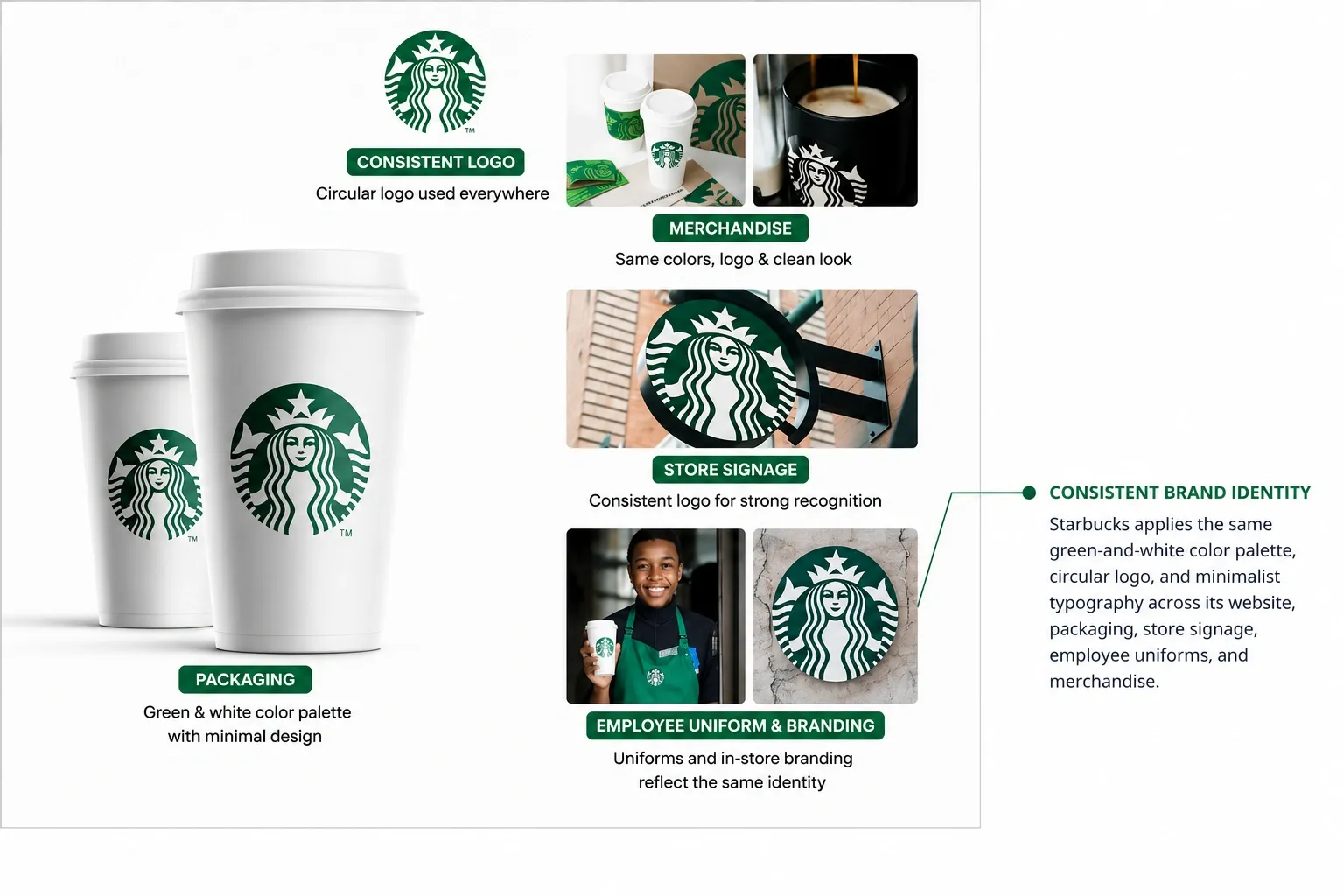
Starbucks applies the same green-and-white color palette, circular logo, and minimalist typography across its website, packaging, store signage, employee uniforms, and merchandise.
This consistency makes the brand instantly recognizable across every customer interaction.
Visitors form an opinion about a website in as little as 50 milliseconds.
For D2C brands, your website should reflect the same colors, typography, imagery, and packaging used across every brand channel to create a recognizable and consistent identity.
Direct Impact on D2C Sales
- Using consistent colors, typography, and imagery across all brand assets can increase revenue by up to 23% through stronger brand consistency.
- A consistent visual identity improves brand recognition, making it easier for customers to identify and remember your brand.
- A well-defined brand identity increases the perceived value of products, supporting premium pricing without relying heavily on discounts.
- Consistent branding can improve brand recognition by up to 80%, increasing the likelihood of repeat purchases.
👉 Get Expert Brand Style Guide Services
3. Mobile-first user experience
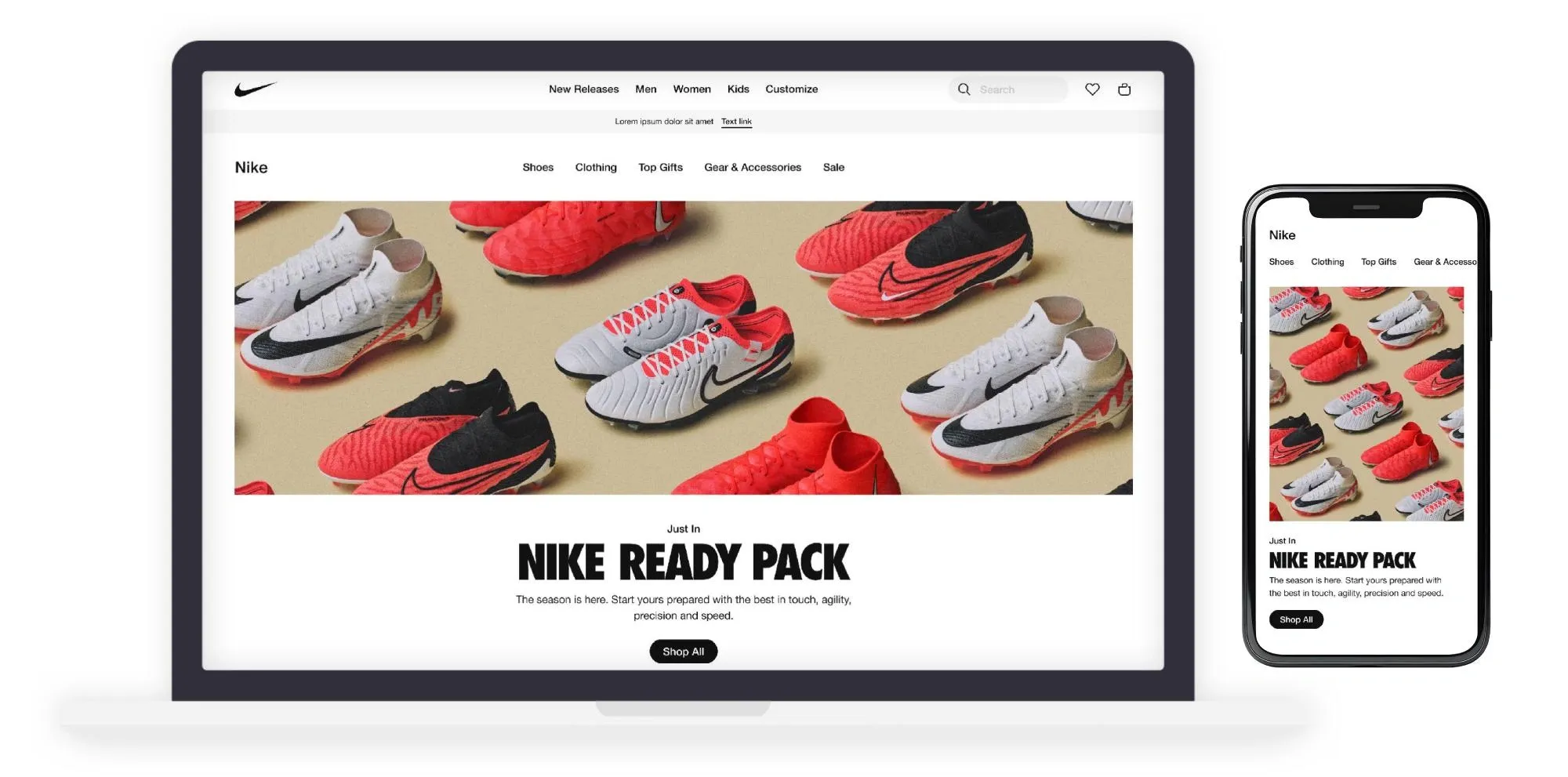
This image is an example showing how Nike adapts its website for both desktop and mobile without changing the shopping experience. On mobile, the navigation becomes more compact, the hero image fits the screen automatically, and the typography and "Shop All" CTA remain easy to read and tap.
With 75-78% of global e-commerce traffic coming from mobile devices, D2C websites should be designed for smaller screens first. A mobile-friendly interface allows shoppers to browse products, compare options, and complete purchases more easily.
Direct Impact on D2C Sales
- Designing for mobile first helps brands capture the growing share of mobile shoppers, who account for around two-thirds of global e-commerce traffic.
- Optimizing button sizes, typography, and page layouts for smartphones reduces interaction errors and keeps visitors engaged, particularly on product and checkout pages.
- Supporting mobile payment methods such as Apple Pay, Google Pay, and Shop Pay shortens the checkout process, helping reduce mobile cart abandonment by 8-12%.
- A responsive layout with accessible navigation, search, and filters allows shoppers to find products more quickly, improving product discovery and increasing the likelihood of completed purchases.
4. Product discovery and site navigation
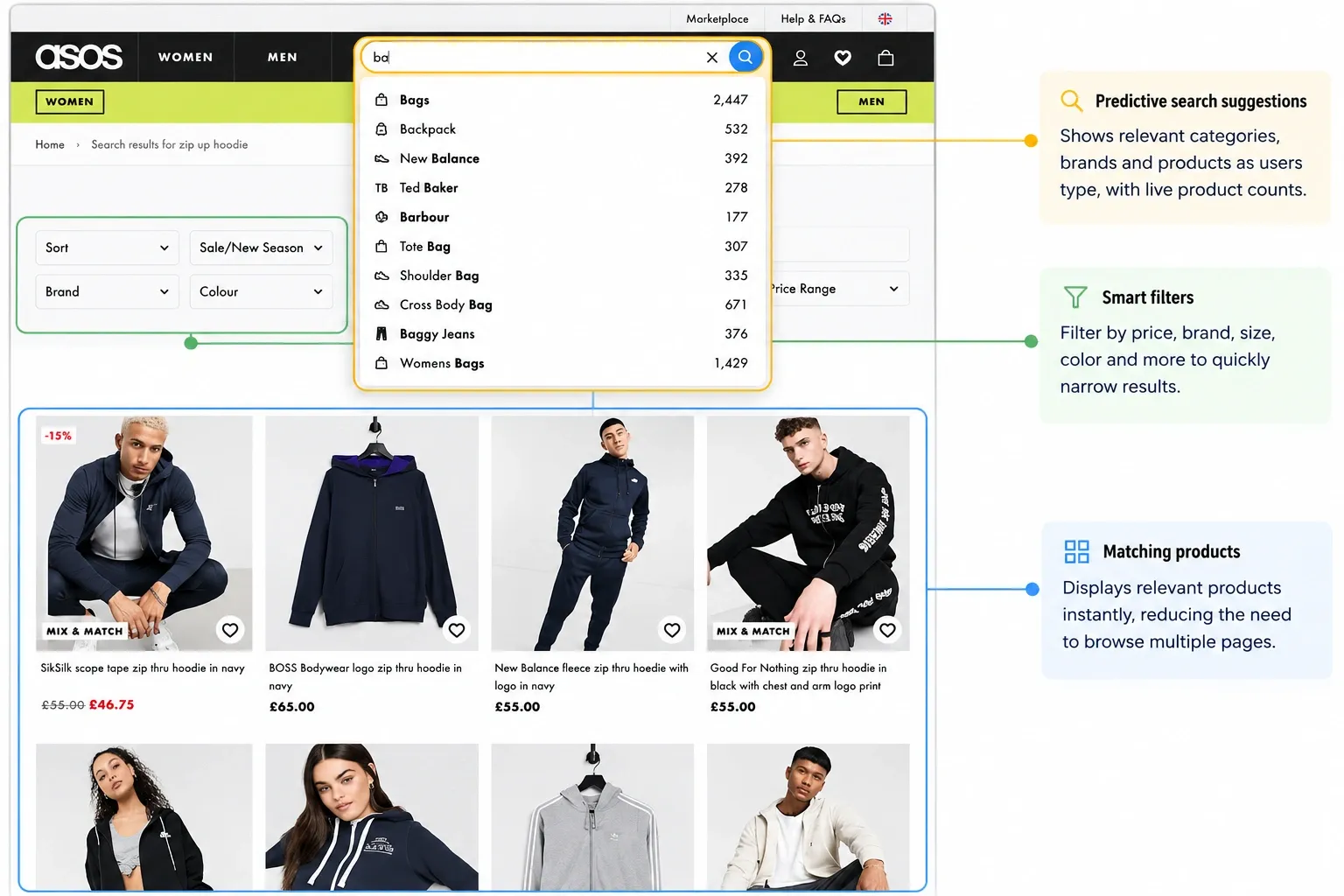
As users type into the search bar, ASOS displays predictive search suggestions, matching products, popular categories, and available product counts in real time. Combined with filters for price, brand, size, and color, the interface helps shoppers narrow large product catalogs without browsing multiple pages.
This is how product discovery should require as little effort as possible. This can be achieved with clear navigation, predictive search, and well-organized filters that help customers find relevant products quickly, especially on D2C websites with extensive product catalogs.
Direct Impact on D2C Sales
- Visitors who use on-site search often have higher purchase intent, making features like predictive search and autocomplete valuable for guiding them to relevant products more quickly.
- Displaying matching products, categories, and available results as users type reduces unsuccessful searches and encourages shoppers to continue exploring instead of leaving the website.
- Well-structured filters for attributes such as price, size, color, and brand help customers narrow large product catalogs without feeling overwhelmed.
- Clear navigation menus, category pages, and product recommendations increase product visibility, helping shoppers discover items they may not have found through browsing alone.
5. Product page design
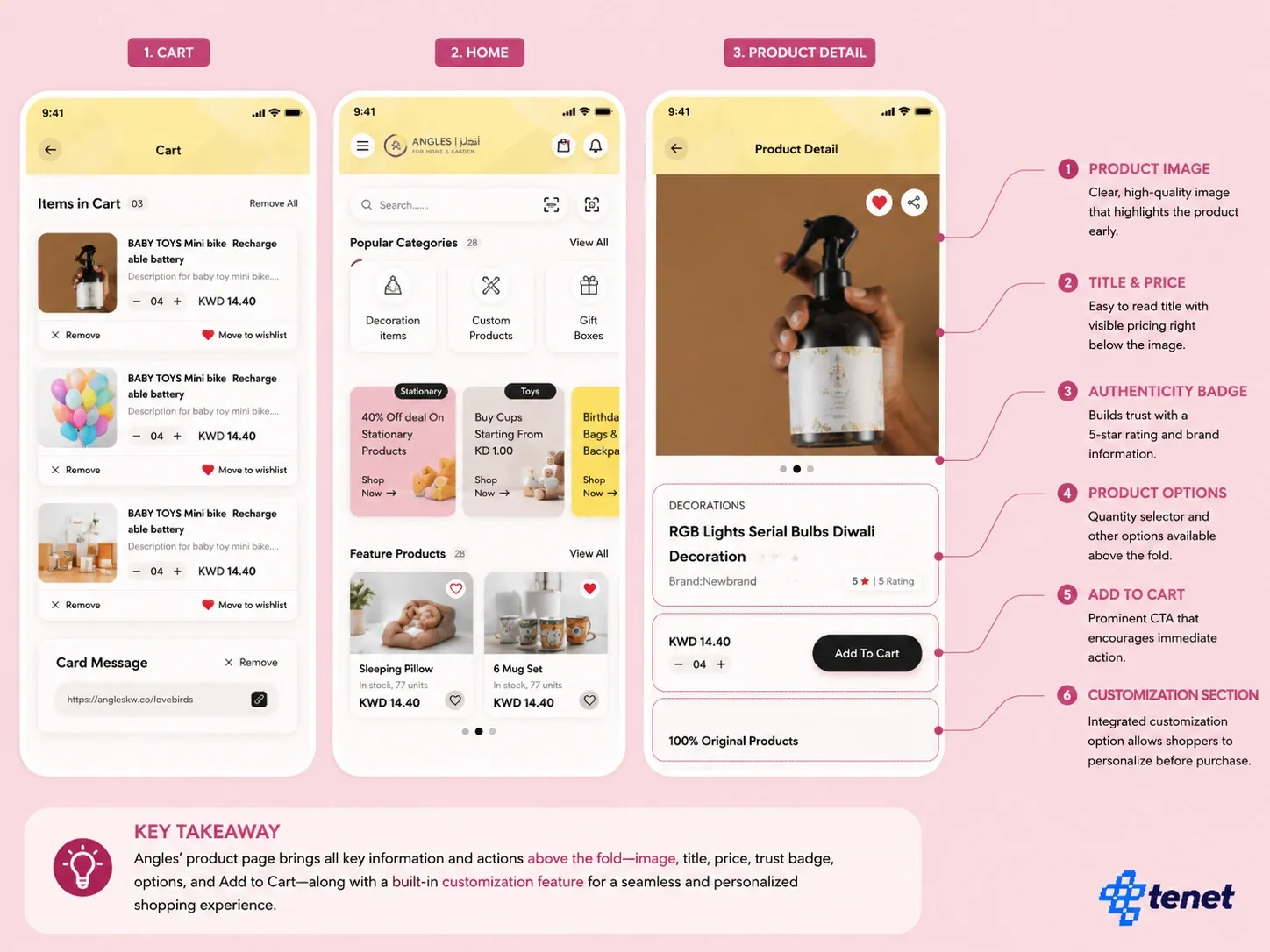
See how Angles’ product page places the product image, title, price, authenticity badge, product options, and Add to Cart button above the fold. It also includes an integrated customization section, allowing shoppers to personalize their product before adding it to the cart.
This shows how a product page should present all essential purchase information in one place, including product images, descriptions, pricing, specifications, delivery details, and customization options.
Direct Impact on D2C Sales
- Placing the product image, price, variants, and Add to Cart button above the fold can increase add-to-cart rates as it provides shoppers immediate access to the information they need before making a purchase.
- 67% of online shoppers consider product image quality an important factor when deciding whether to buy.
- 19% of U.S. shoppers abandon purchases because they do not trust the website with their payment information that’s why add payment badges, return policies, and delivery details addresses common purchase concerns.
- Allowing shoppers to select sizes, colors, or personalization options on the product page reduces extra clicks and keeps product selection simple.
💡 Further product design resources
- Digital Product Design Services (Claim your free consultation call)
- Digital Product Design Process: 8 Must-Have Steps
- Digital Product Design Examples to Get Inspired By
6. Customer reviews and social proof
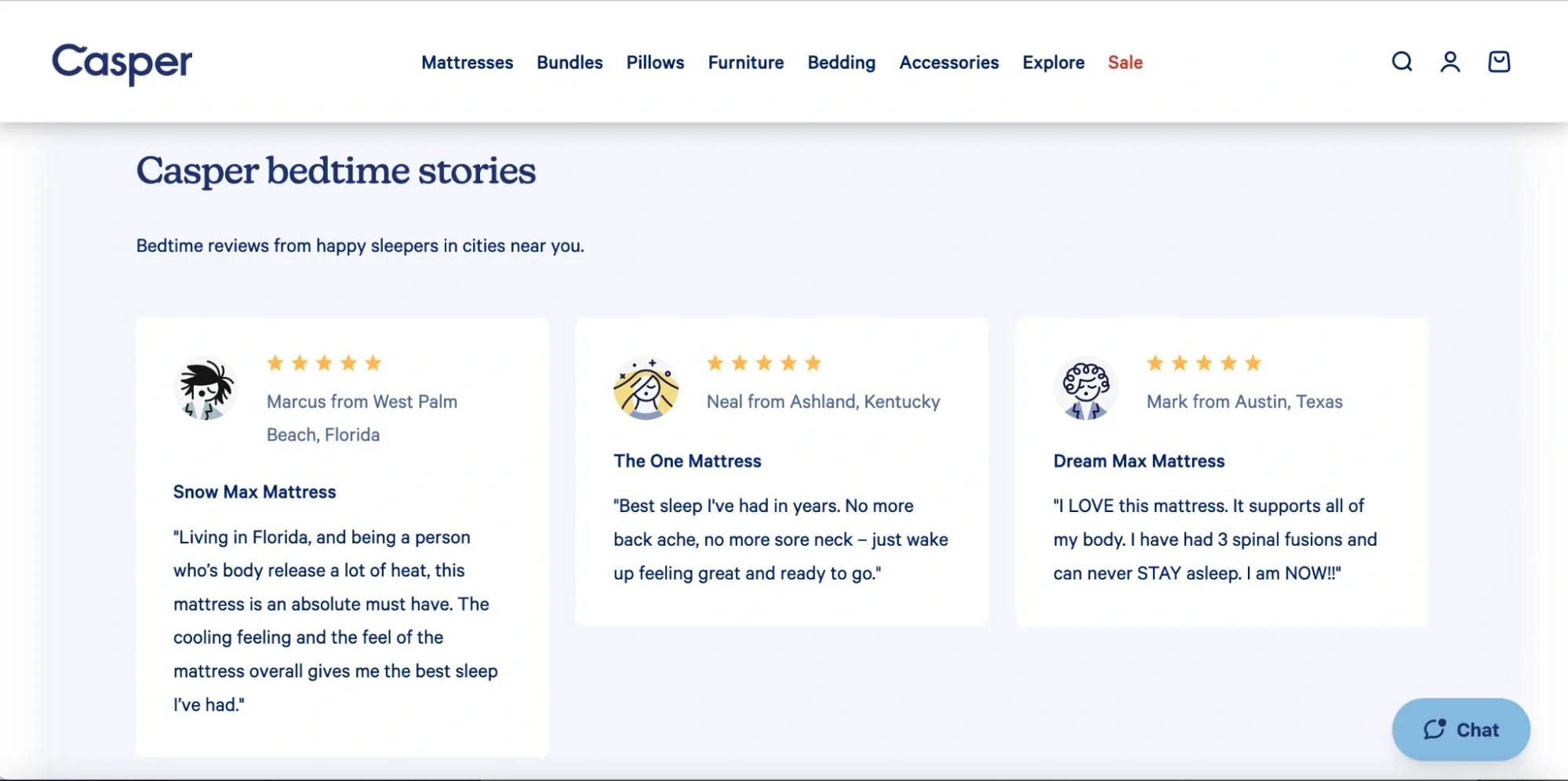
Check how Casper displays reviewer names, locations, purchased products, ratings, and written reviews, making customer feedback more specific and credible.

Here is another example of Peach & Lily showcasing customer-created videos that resemble short-form social media content. These videos show real customers using the product, giving potential buyers a clearer idea of the product's appearance, application, and results before purchasing.
Direct Impact on D2C Sales
- 81% of marketers say user-generated content influences potential buyers' purchasing decisions more than professional product photography.
- Displaying reviewer details such as verified purchase status, location, and product variant increases the credibility of customer reviews.
- Research by PowerReviews found that products featuring customer photos and videos receive higher engagement and nearly 104% increase in conversion rates than those with text-only reviews.
- Combining written reviews with customer images and videos gives shoppers multiple sources of product validation before making a purchase.
7. Humanizing the online shopping experience
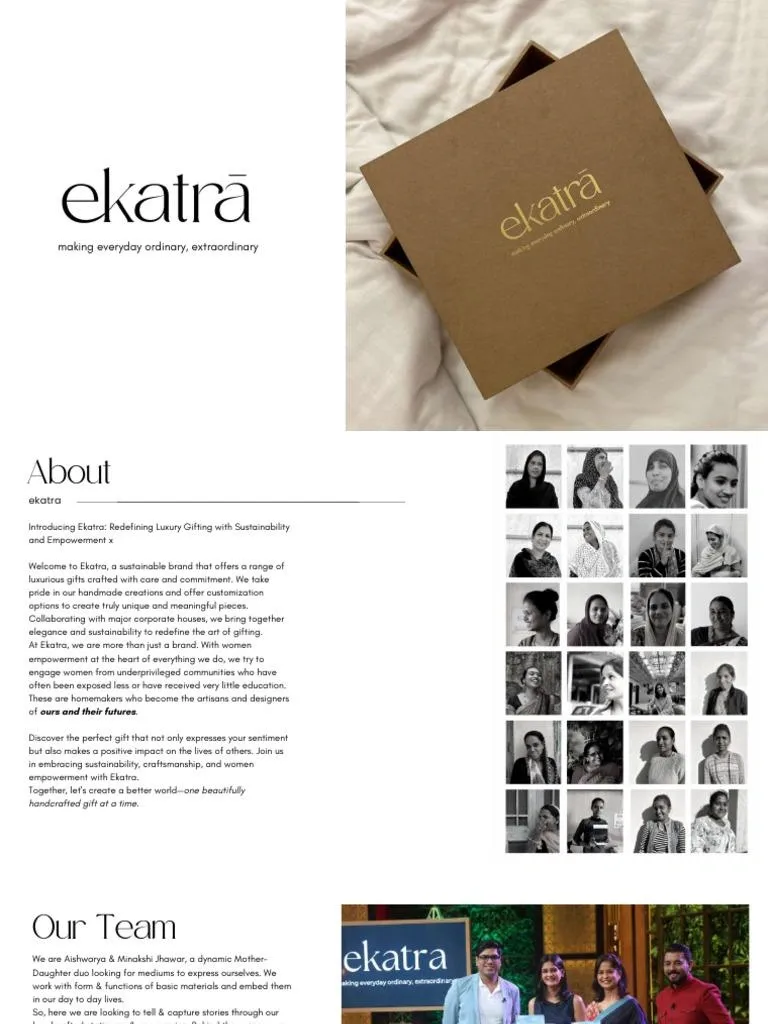
Instead of focusing only on products, Ekatra introduces the founders, artisan community, and brand story through authentic photography instead of stock images. By showing the people behind the products, the website gives customers a better understanding of the people and purpose behind the business.
Customers are more likely to trust brands that show the people, values, and stories behind their products. For D2C brands, these elements demonstrate transparency and help customers connect with the brand beyond the products it sells.
Direct Impact on D2C Sales
- Sharing founder stories and artisan communities helps customers understand the brand's purpose, as 87% of consumers are more likely to buy from companies that support causes they care about.
- Replacing stock photography with real images of founders, employees, or artisans makes the website more credible and authentic.
- Explaining how products are designed, sourced, or manufactured adds transparency, which is especially valuable for D2C brands selling handcrafted, sustainable, or premium products.
- Introducing the people behind the brand strengthens brand recall and encourages repeat purchases and word-of-mouth recommendations.
8. Website speed and performance
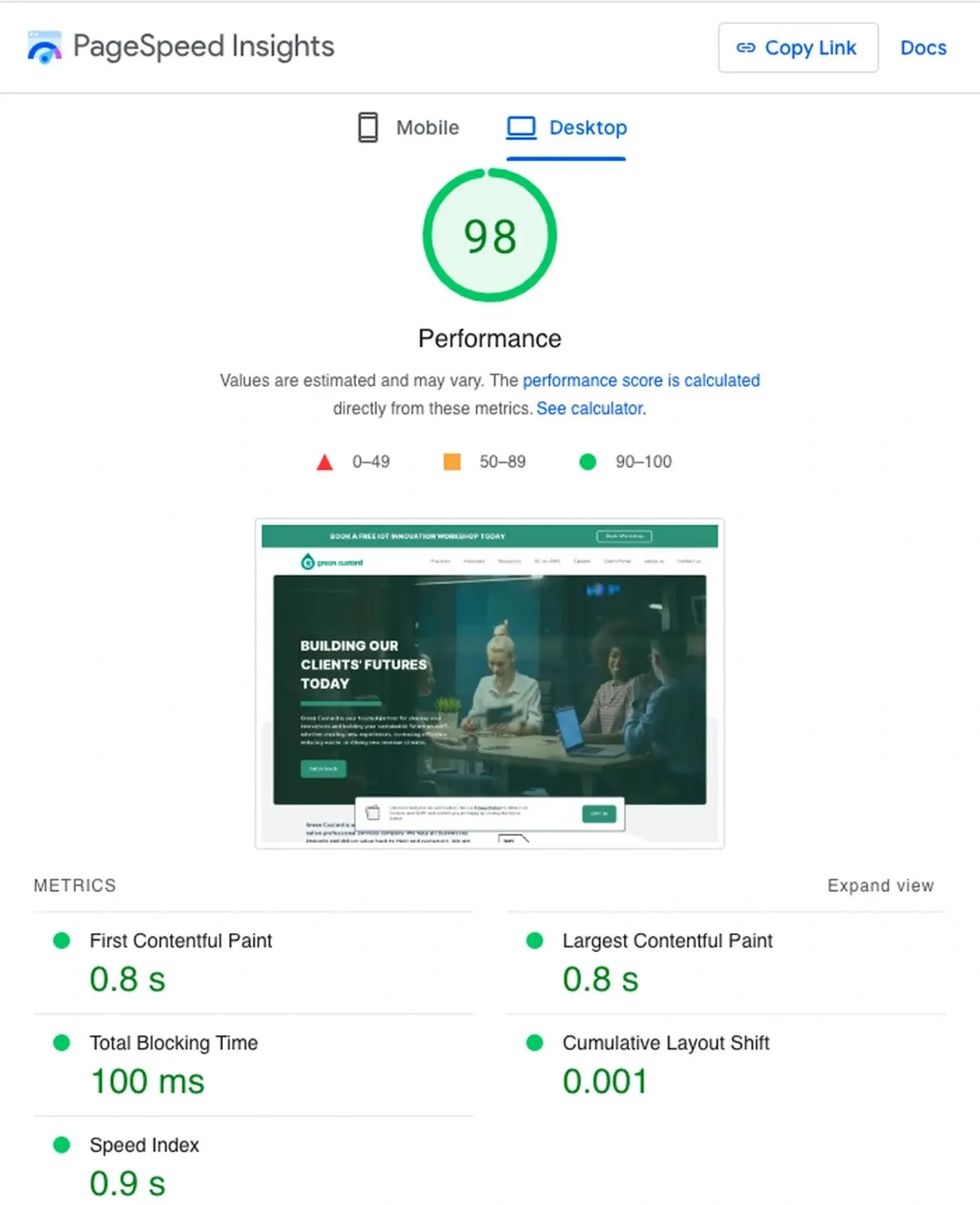
The above-given PageSpeed Insights report shows a Performance Score of 98 with excellent Core Web Vitals, including First Contentful Paint, Largest Contentful Paint, Total Blocking Time, and Cumulative Layout Shift. These metrics indicate that the website loads quickly and remains stable while users browse.
Website speed has a direct impact on user retention and conversions. Even a well-designed website can lose potential customers if pages, images, or checkout screens take too long to load.
Direct Impact on D2C Sales
- Websites that load in 1 second convert 2.5× more than websites that load in 5 seconds, making page speed one of the strongest contributors to conversions.
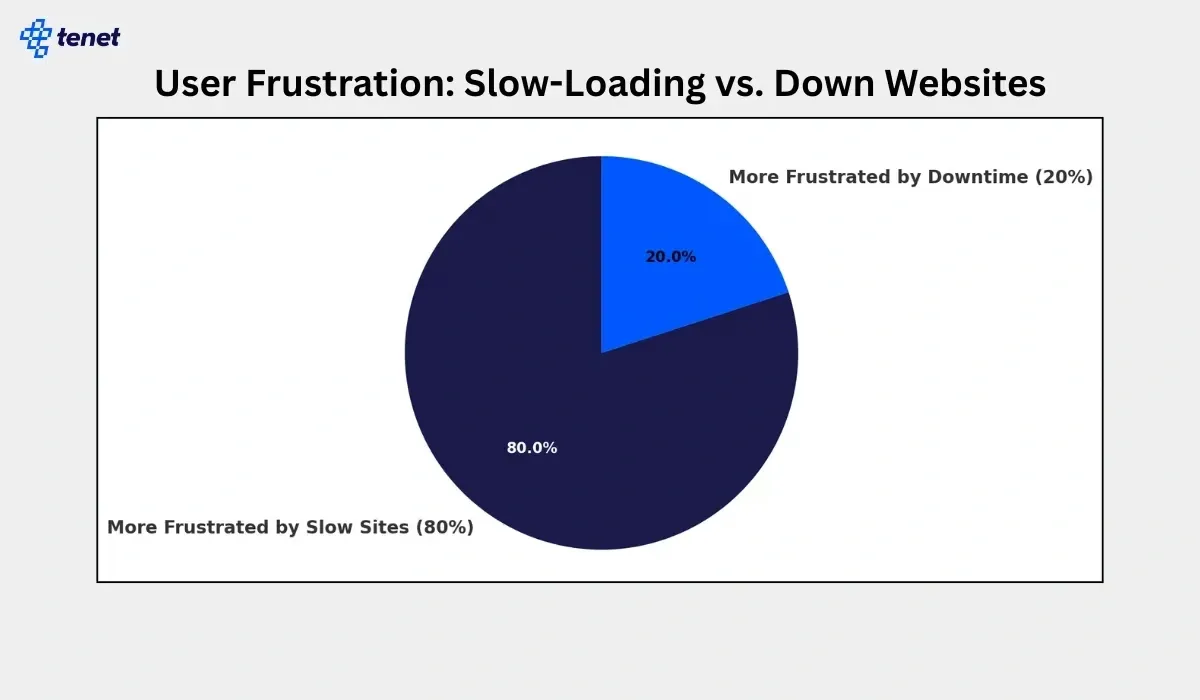
Here is an image showing how slow loading and downtime impact the number of users:
- Even improving website speed by just 0.1 seconds increased retail conversion rates by 8.4% and AOV by 9.2%.
- Maintaining strong Core Web Vitals, particularly Largest Contentful Paint (LCP) and Cumulative Layout Shift (CLS), ensures product pages load quickly and remain visually stable while customers browse and shop.
9. Checkout optimization
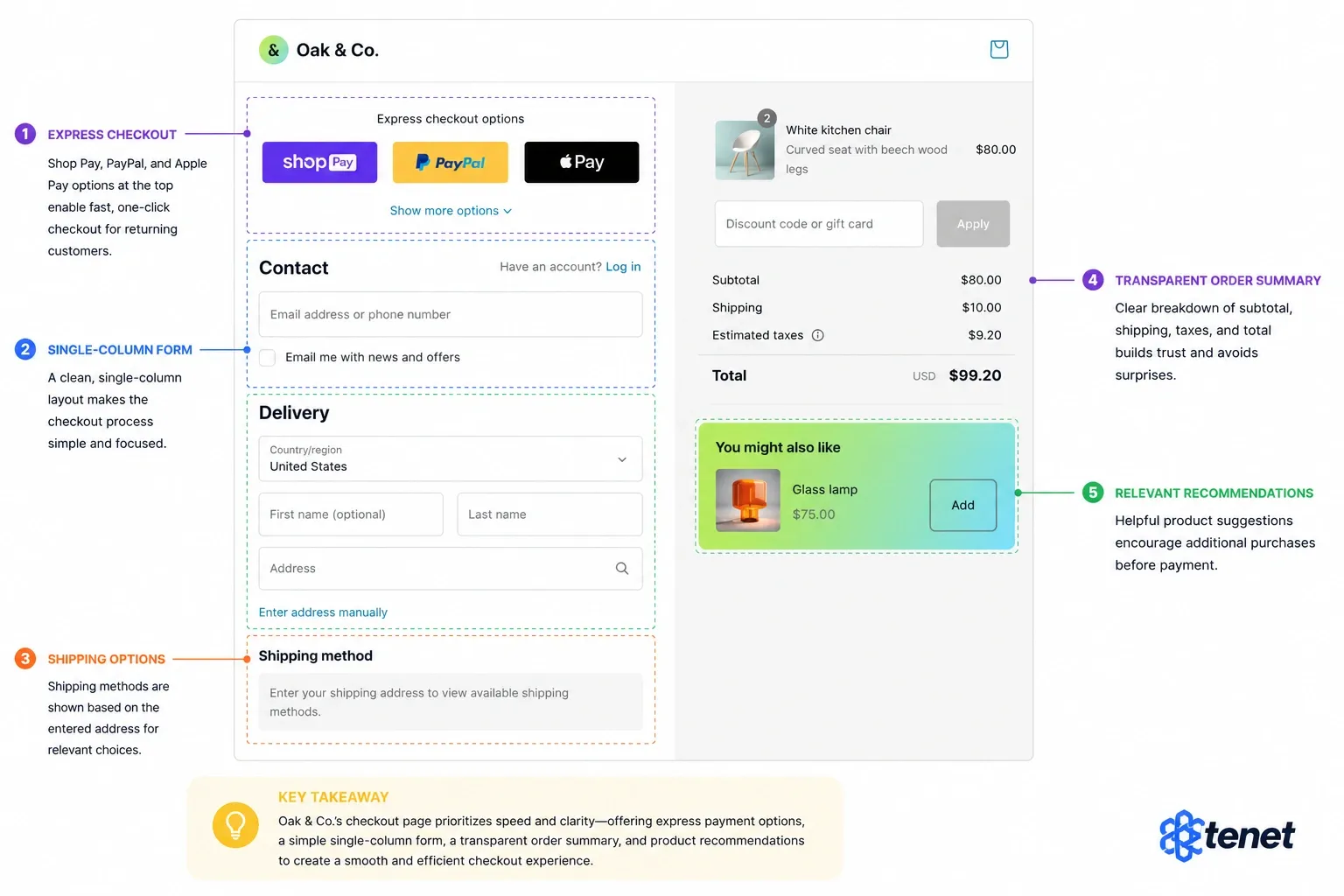
This checkout page places Express payment options like Shop Pay, PayPal, and Apple Pay at the top, allowing returning customers to complete their purchase without filling out lengthy forms. The page uses a single-column checkout form alongside a transparent order summary with shipping and taxes, and relevant product recommendations before payment.
That’s how any checkout should be designed: with a clear layout, fewer form fields, and transparent pricing to help customers complete their purchase with fewer interruptions; otherwise, it will just increase the chances of cart abandonment.
Direct Impact on D2C Sales
- Offering express payment methods such as Shop Pay, Apple Pay, and PayPal reduces checkout steps, which helps recover sales in a market where the average cart abandonment rate is nearly 70%.
- Reducing the number of form fields can increase conversion rates by up to 35.26%.
- 48% of shoppers abandon their carts because of unexpected extra costs. So, try displaying shipping charges, taxes, and the final order total upfront with transparency.
- Displaying relevant product recommendations during checkout creates additional purchase opportunities and also helps to increase the average order value (AOV).
How Tenet helps you design your D2C brand and get you customers from the first month
Tenet helps D2C brands grow by combining ecommerce design, paid media, and SEO into a unified growth strategy. Below is a breakdown of the three areas Tenet focuses on to drive growth:
1. Conversion-Focused Ecommerce Design
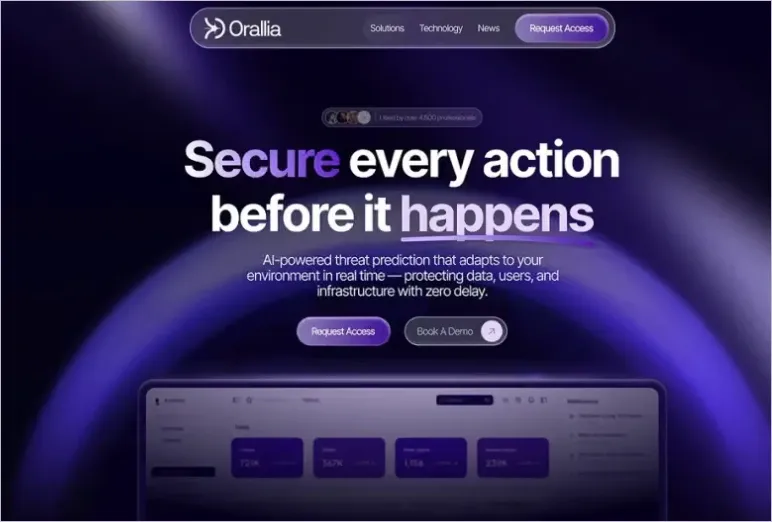
We create online stores that make it easier for customers to browse, evaluate products, and complete purchases. For Orallia, Tenet developed a new brand identity and ecommerce experience that strengthened its market presence.
Here is the image of our design work done for Orallia:
👉 Expert Brand Strategy Agency for Growth
2. Paid Media for Immediate Growth
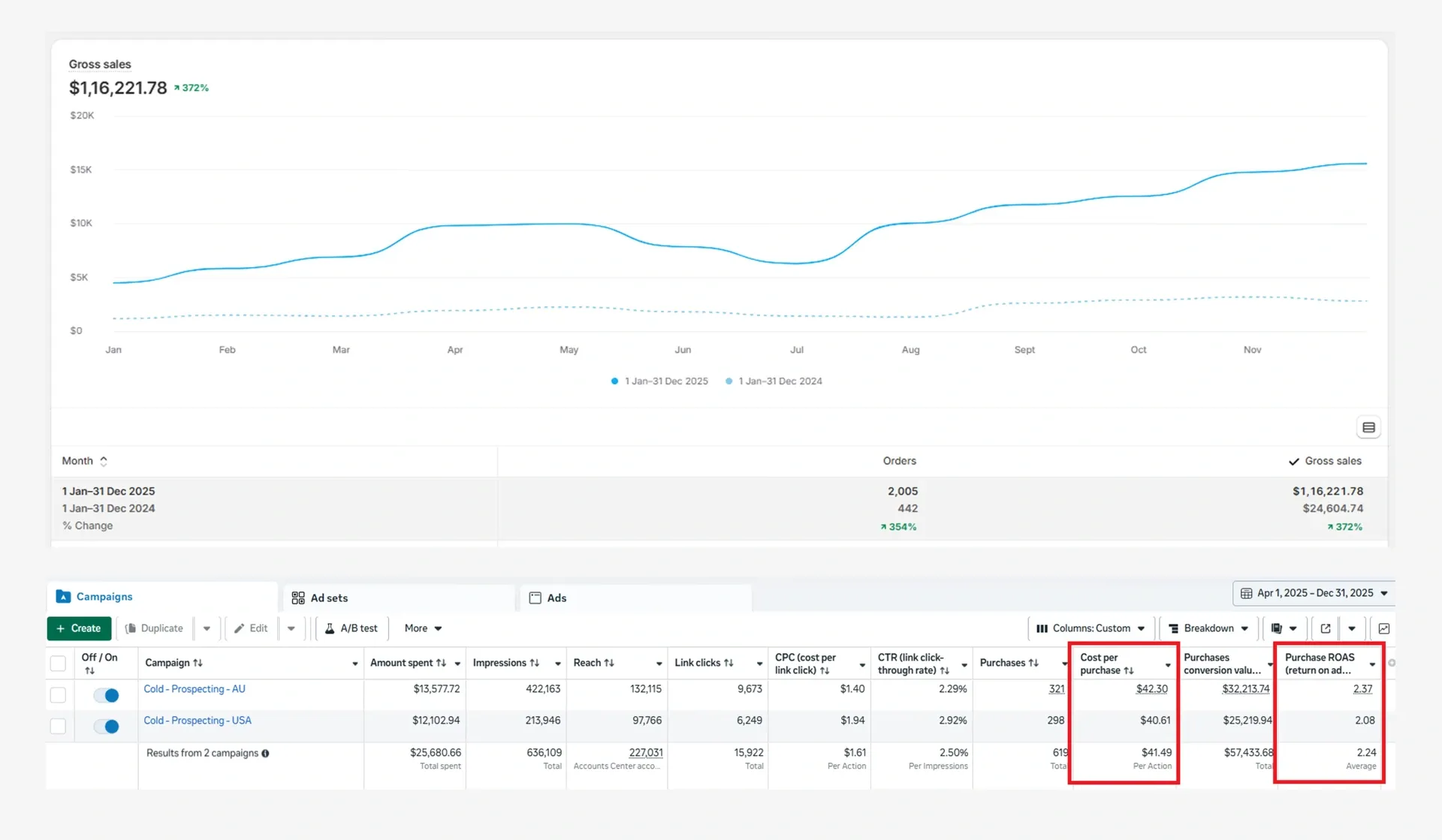
Our Google Ads and paid social campaigns help brands reach high-intent customers and drive revenue. For Savvy & Sorted, this approach helped scale monthly revenue to $116,000 while maintaining a 3x ROAS. Here is the proof:
👉 Request a free proposal for our PPC Management Services
3. SEO for Long-Term Visibility
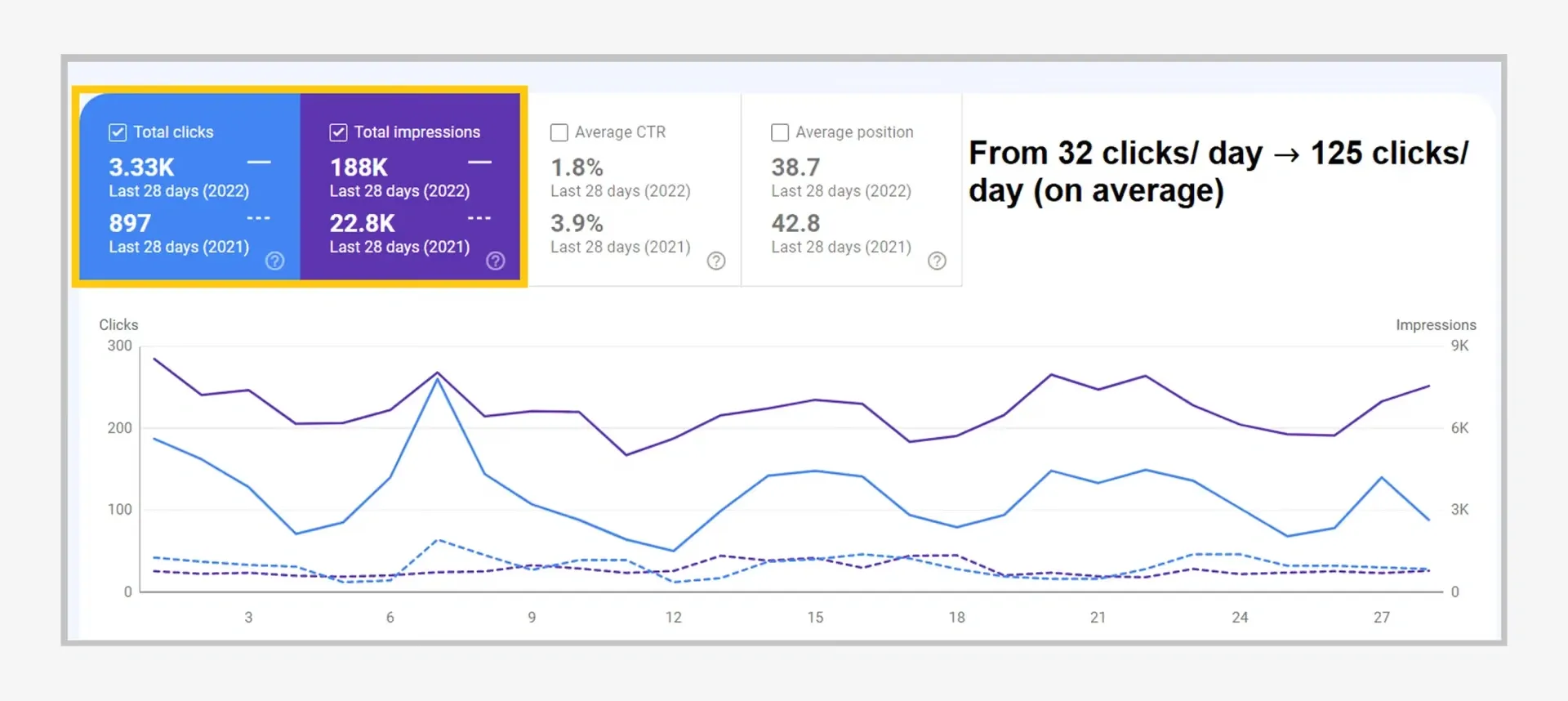
We build search-friendly websites and execute targeted SEO strategies that support sustainable growth. For a corporate gifting platform, Tenet drove more than 250% traffic growth and generated over 100 qualified leads within 28 days.
👉 Explore our outcome-driven AI SEO services
Discover more about our process on the Tenet D2C Branding service page, or view our global portfolios. If you want to reach out directly, feel free to contact us.
Turn more visitors into loyal customers with a high-converting D2C website designed to drive sales and accelerate growth.
Turn more visitors into loyal customers with a high-converting D2C website designed to drive sales and accelerate growth.














Got an idea on your mind?
We’d love to hear about your brand, your visions, current challenges, even if you’re not sure what your next step is.
Let’s talk


